ESA is preparing for a future where human missions on the Moon rely on local resources instead of costly Earth-based supply chains. To achieve this, ESA and ESRIC launched the Space Resources Challenge in 2021 as part of a broader strategy to develop technologies for In-Situ Resource Utilisation (ISRU). These technologies will enable oxygen and metal production from lunar regolith, enabling life support, construction, and refuelling capabilities. By fostering competition and collaboration between industry, research, and academia, the initiative accelerates innovation and opens new commercial opportunities, while being a cornerstone of Europe’s vision for a sustainable lunar economy and its leadership in global space exploration.
About the Space Resources Challenge
Each edition of the Space Resources Challenge addresses a different ISRU segment. The first edition focused on prospecting lunar resources and identifying materials that could support future missions. The second edition focused on excavation and beneficiation: collecting lunar regolith and preparing it for oxygen extraction, a process critical for sustaining human presence and enabling industrial activity on the Moon.
The Space Resources Challenge fosters:
- Innovation: Filling critical gaps along the ISRU value chain.
- Collaboration: Connecting academia, industry, and research organisations.
- Acceleration: Advancing technology readiness for lunar missions.
- Commercial Growth: Kickstarting ventures in the emerging space resources market.
In this year’s edition, 8 teams from 6 countries were selected to participate in the demonstration phase:
- Team AGH Lunar Resources Initiative – AGH University of Krakow, SpaceTeam AGH, AGH Space Systems, CleverHive Space, PIAP Space, CBK PAN
- Team ASTROLITH – Polytechnique Montreal
- Team BREMEN – DLR, DFKI
- Team CRADLE – Amentum, The University of Manchester
- Team FZI DUST – Forschungszentrum Informatik
- Team Imperial Planetary Robotics Lab – IPRL
- Team LuMA – Maana Electric, SpaceR, Aalborg University
- Team TUBular – TU Berlin
To read more about the Space Resources Challenge: https://src.esa.int/

Mission Scenario
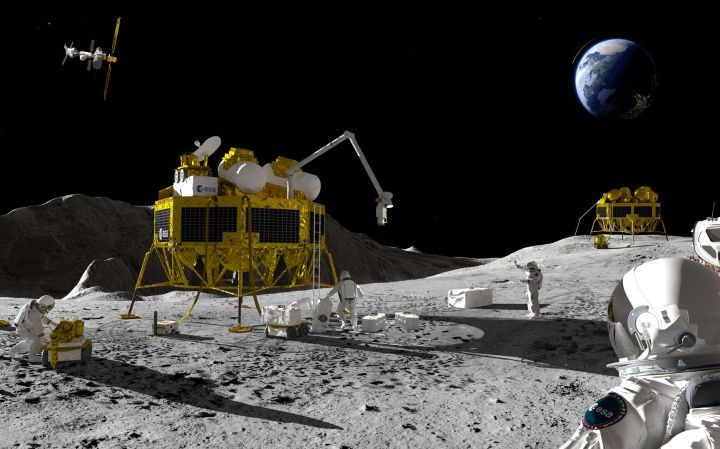
In the mission scenario set for the challenge’s second edition, it is the 2040s and operations to support long-term human missions on the Moon have begun. Astronauts stay for up to 30 days at the lunar South Pole, relying partly on resources produced locally. ISRU systems operate autonomously between missions, extracting oxygen from regolith and providing essential materials for breathing, shelter, and refuelling spacecraft.
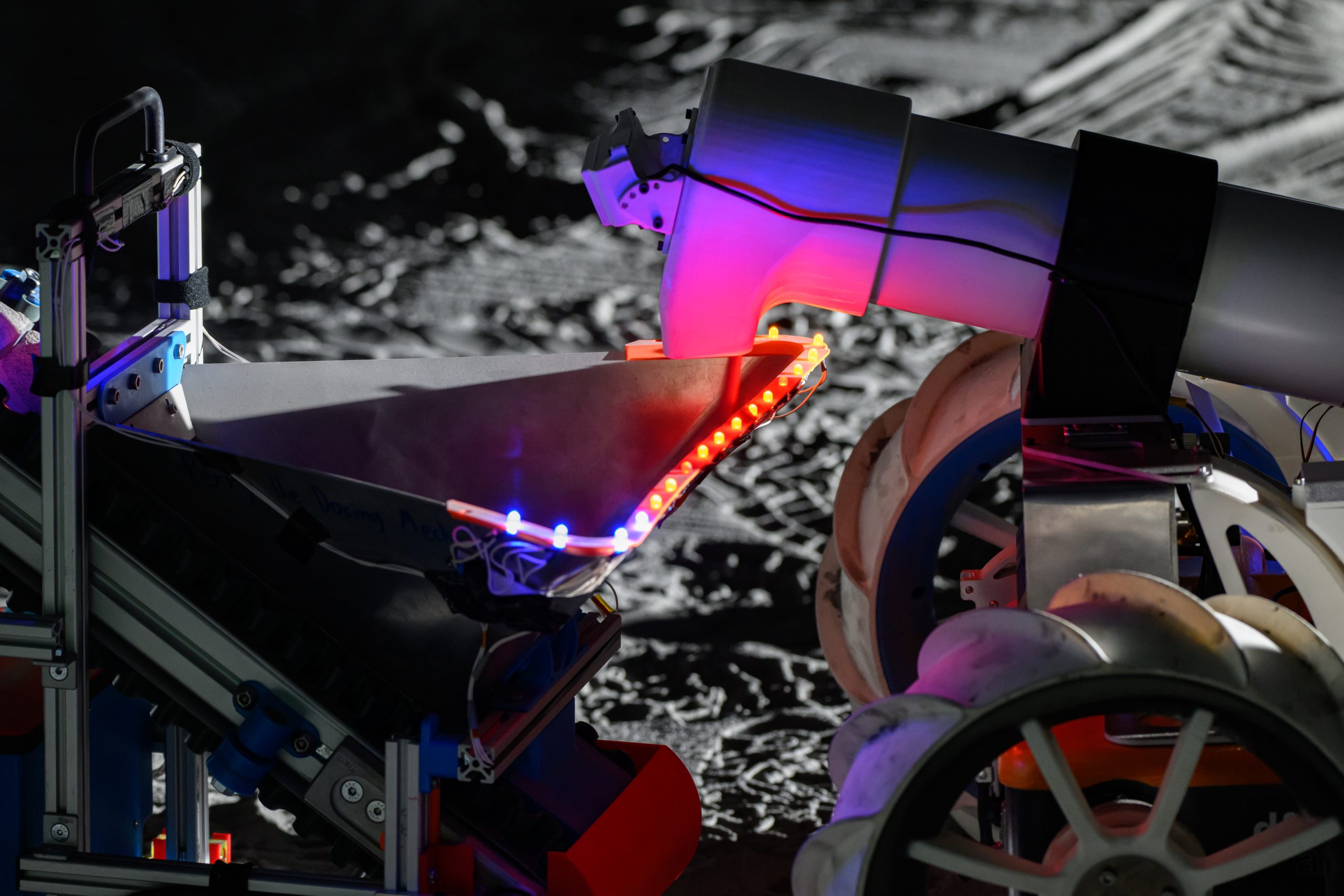
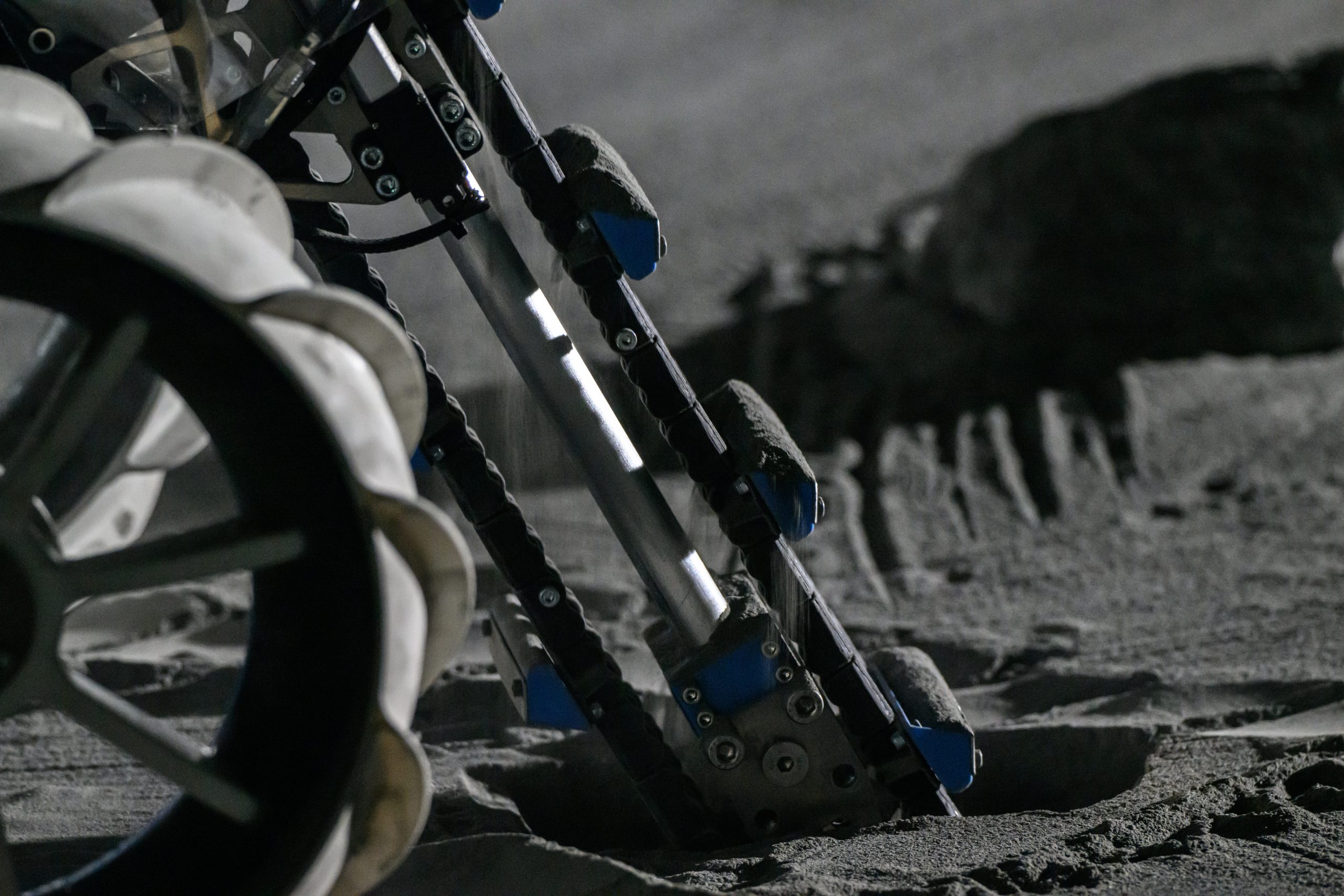
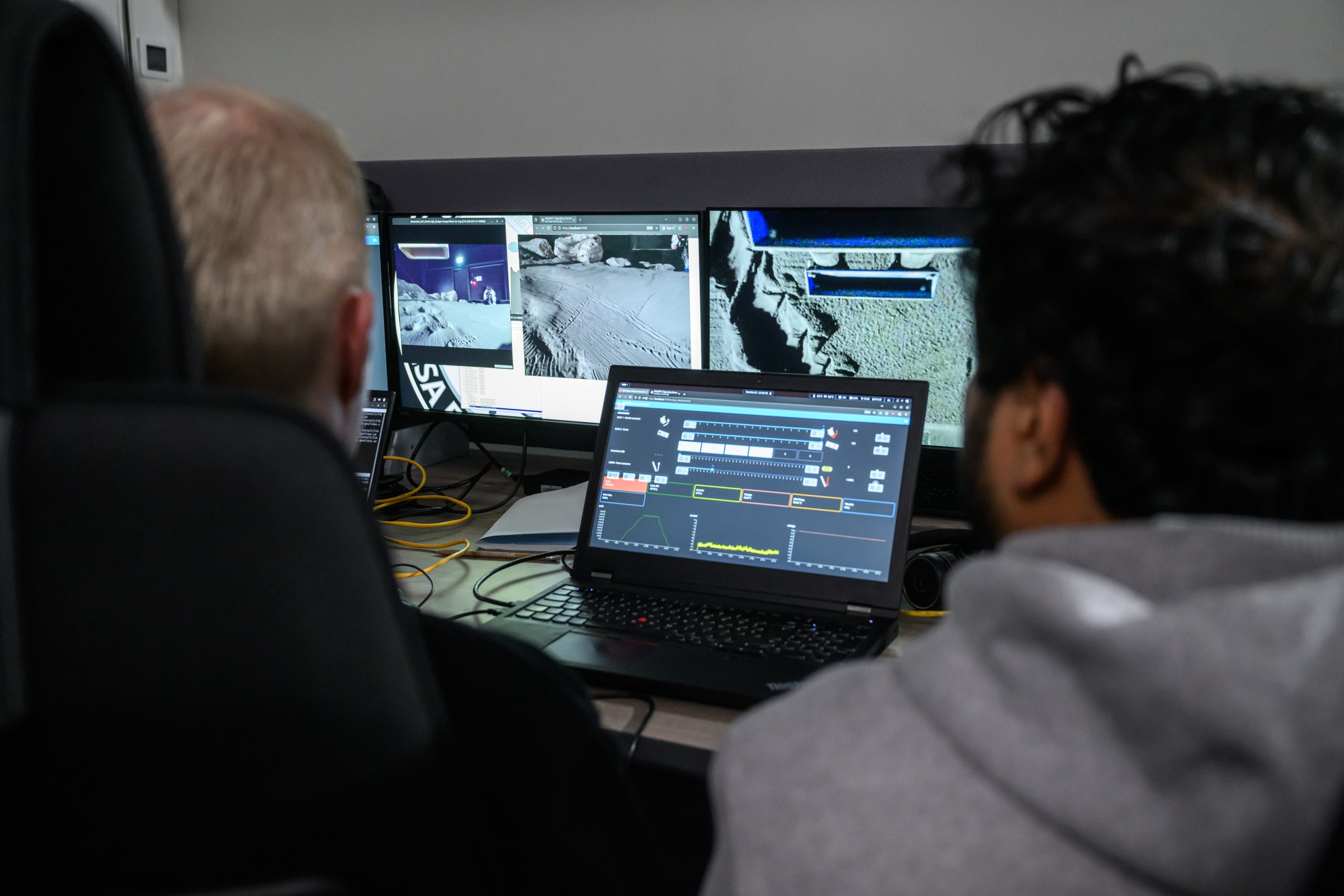
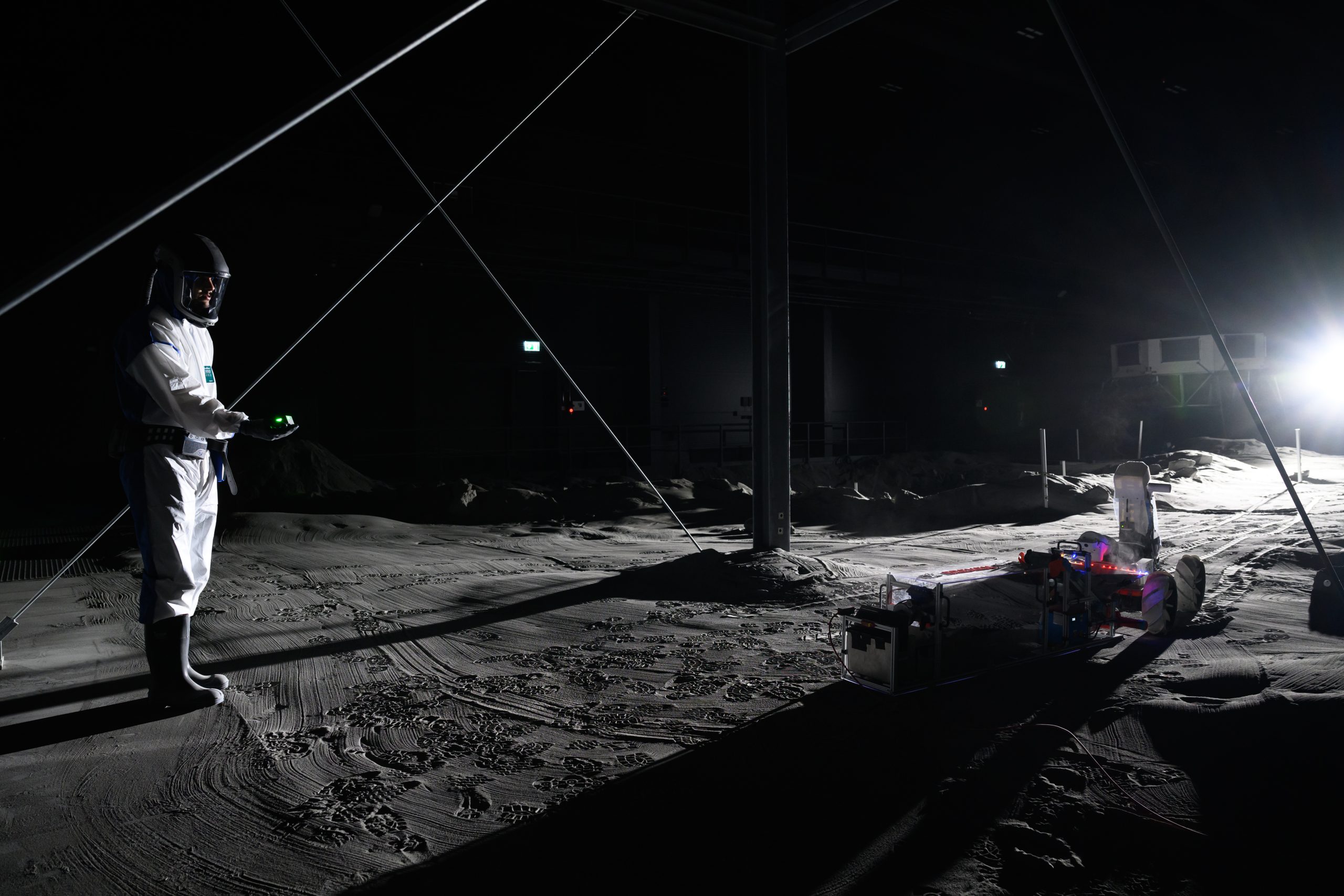
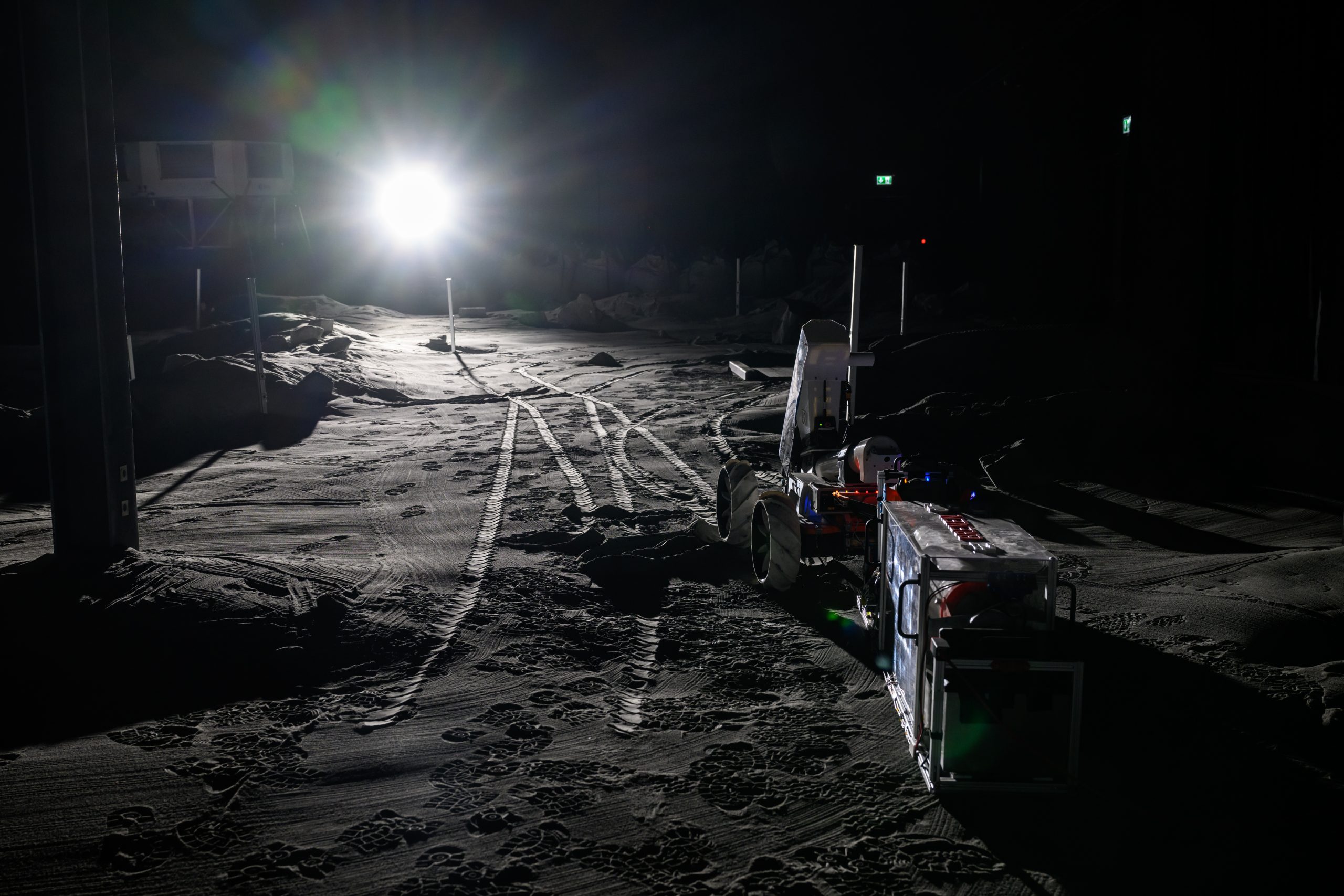
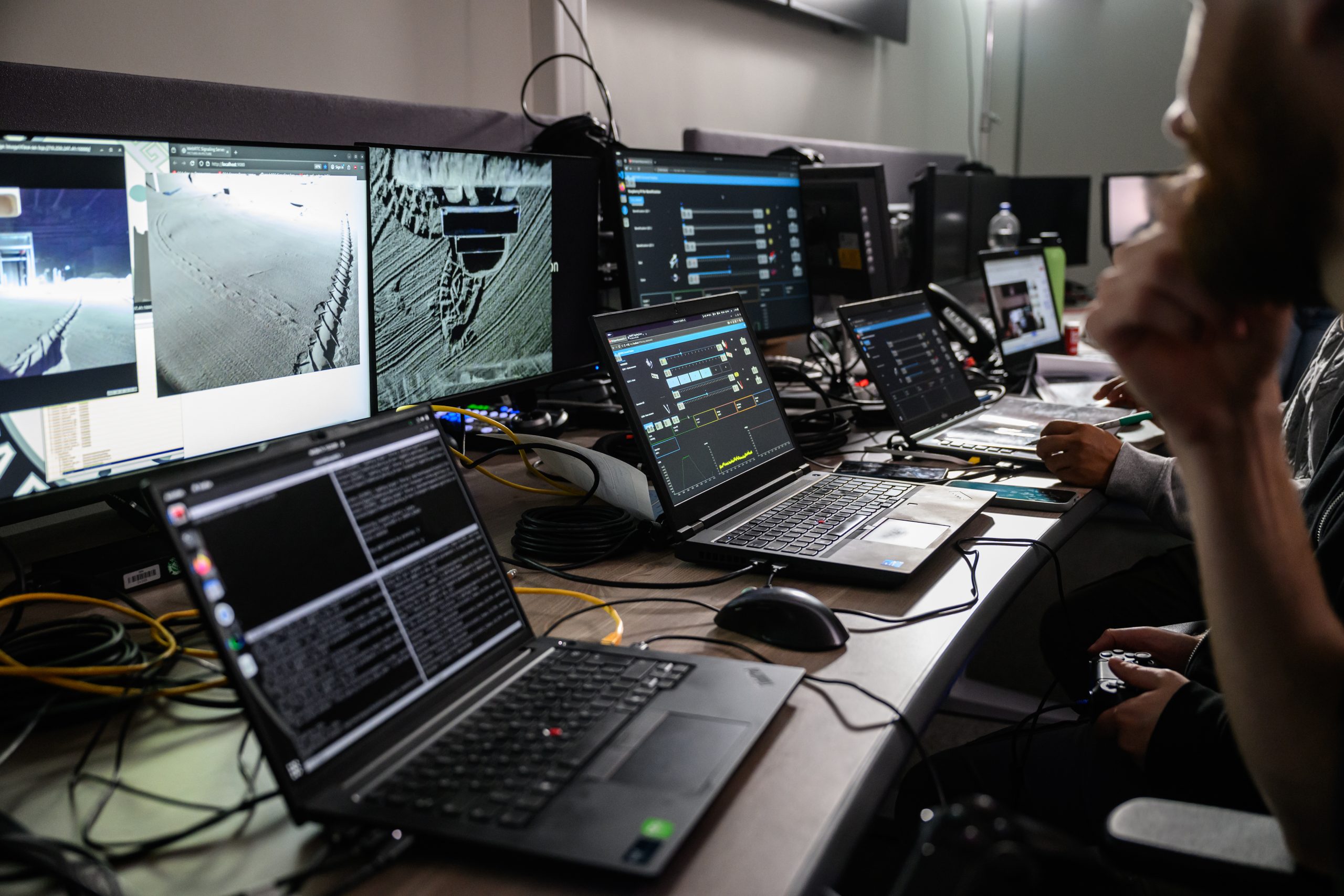
Teams were asked to design robotic systems capable of digging lunar soil simulant, sorting particles by size, and preparing feedstock for molten salt electrolysis – a method for extracting oxygen. The systems had to work in a realistic lunar-like environment and operate autonomously or via remote control. The goal was to produce enough oxygen to sustain eight astronauts for a month, demonstrating technologies that could one day support a commercially viable lunar economy.
The Winners
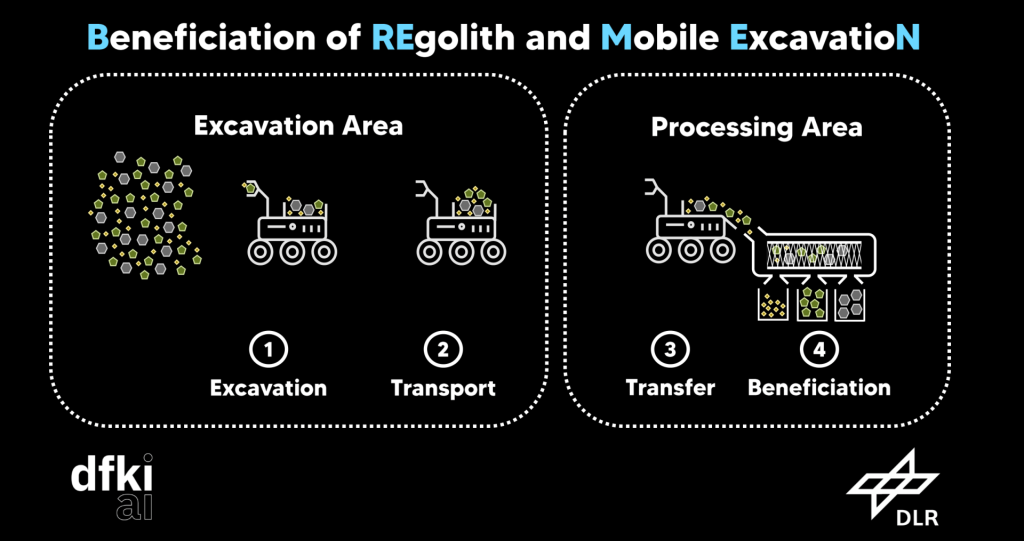
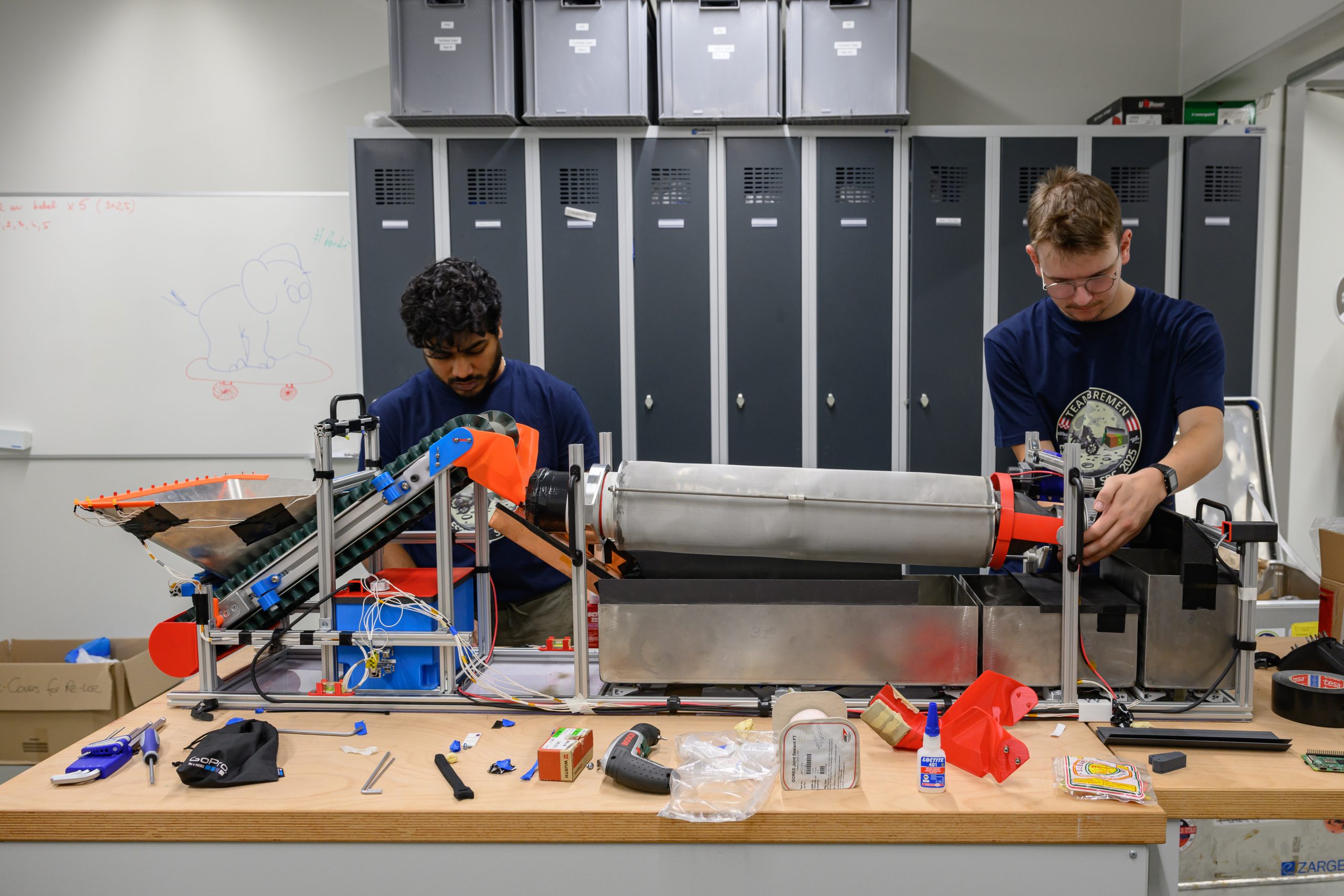
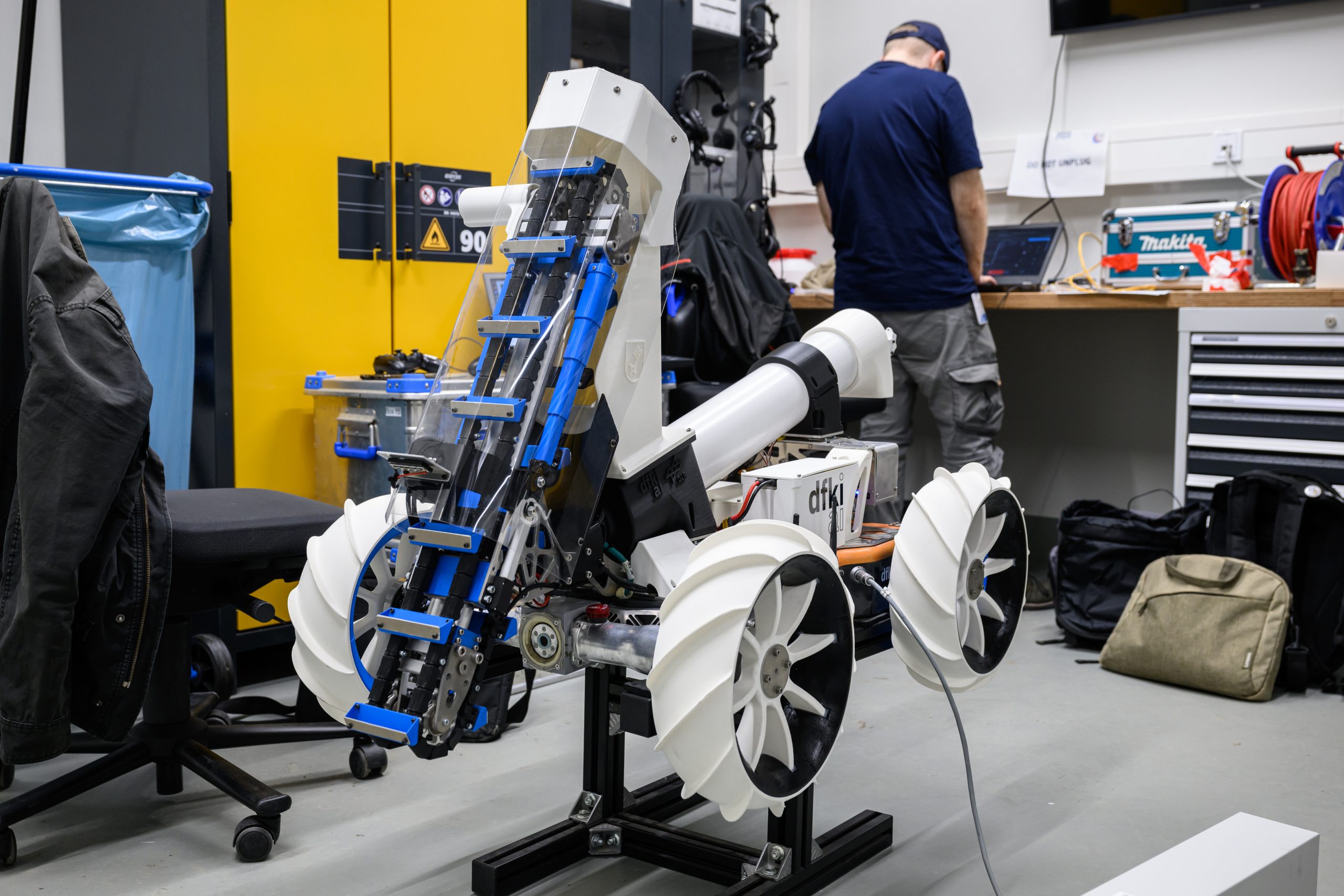
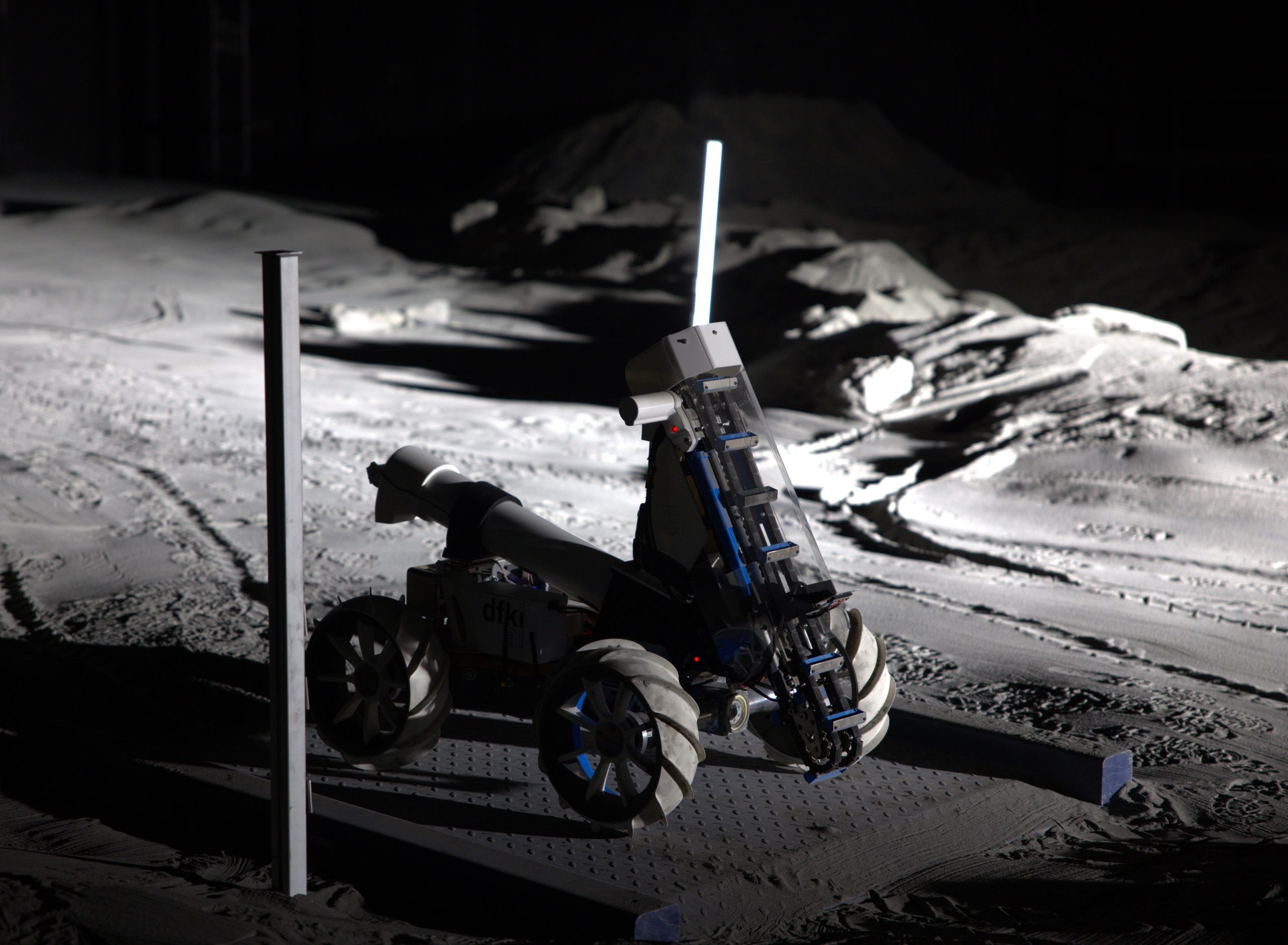
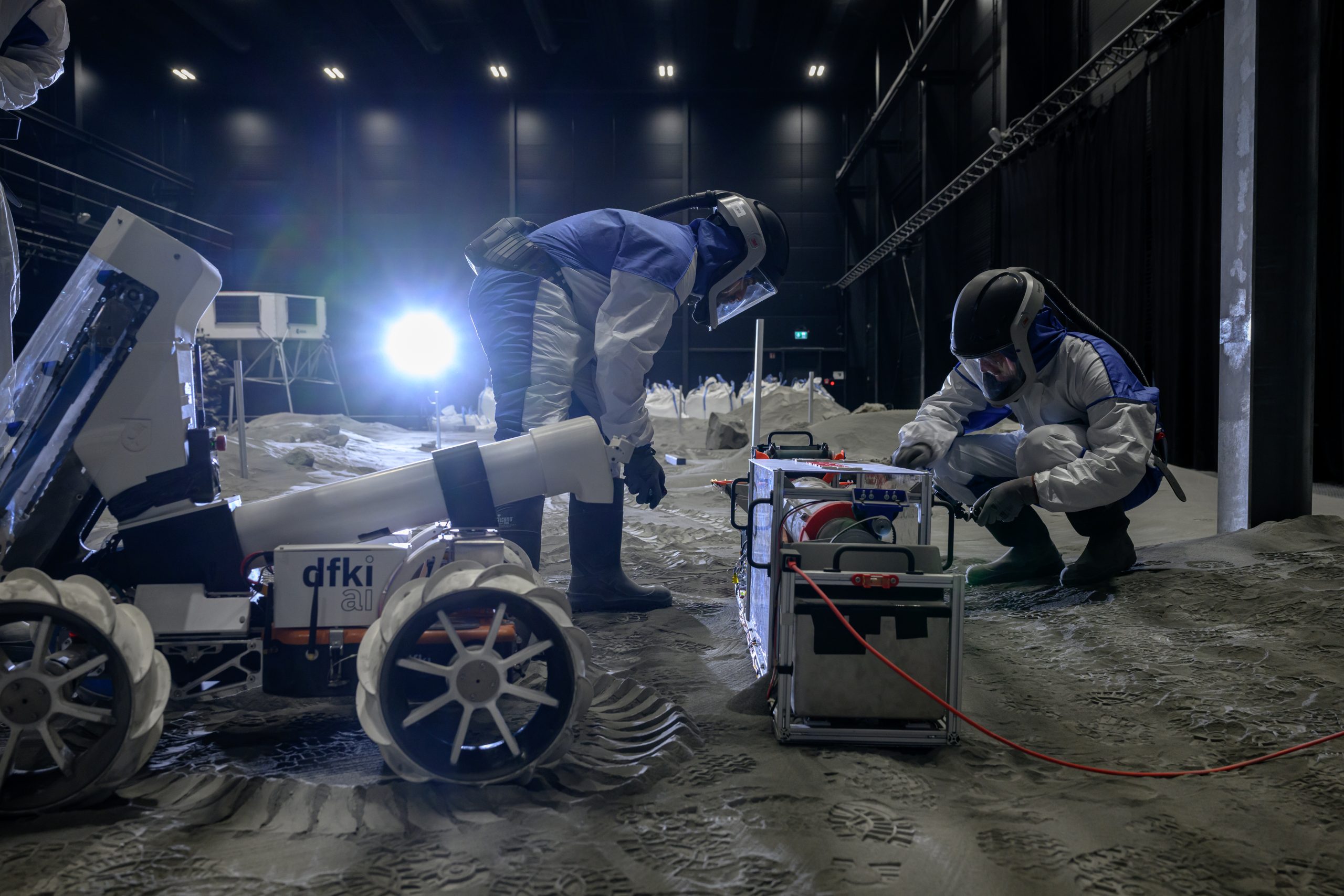
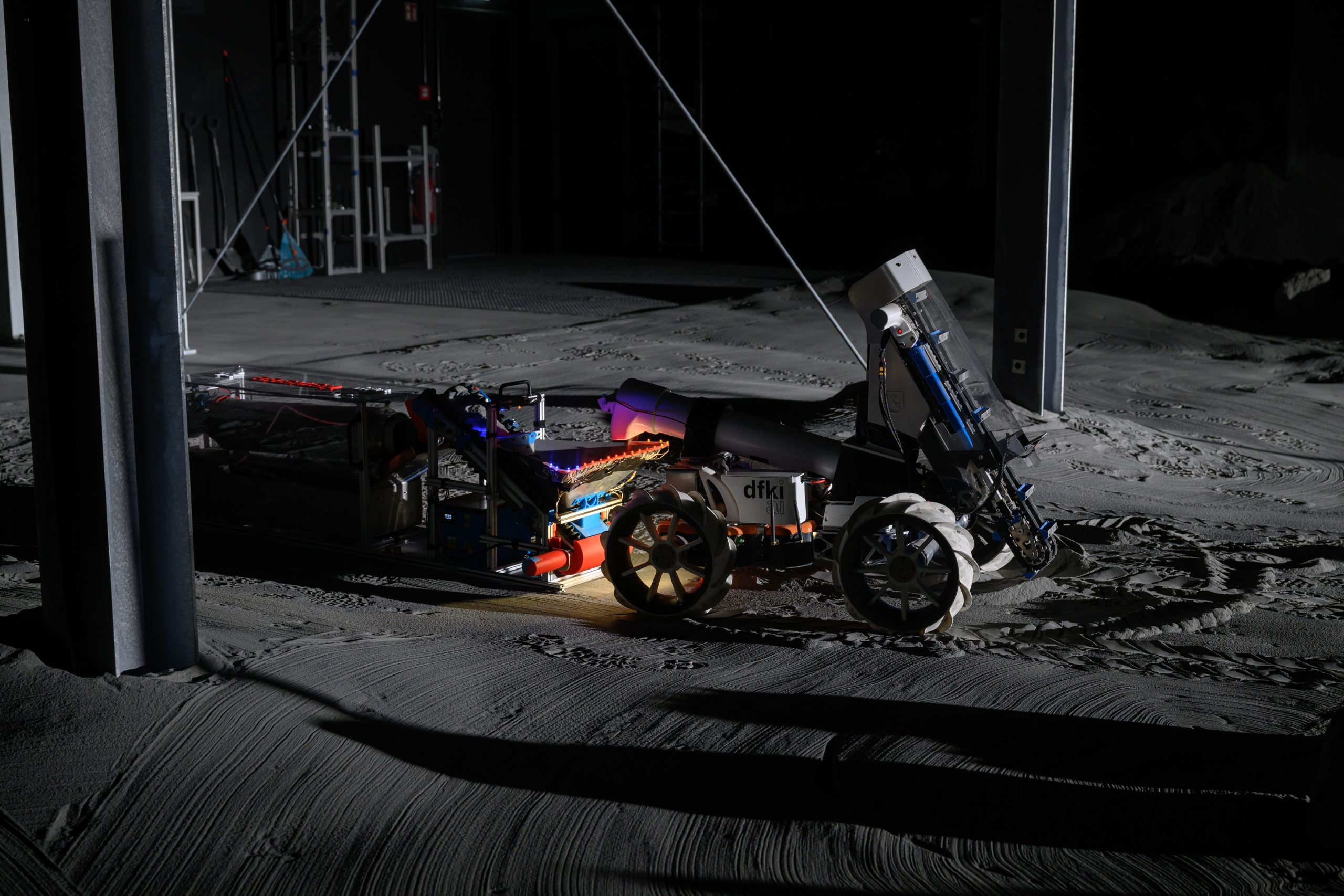
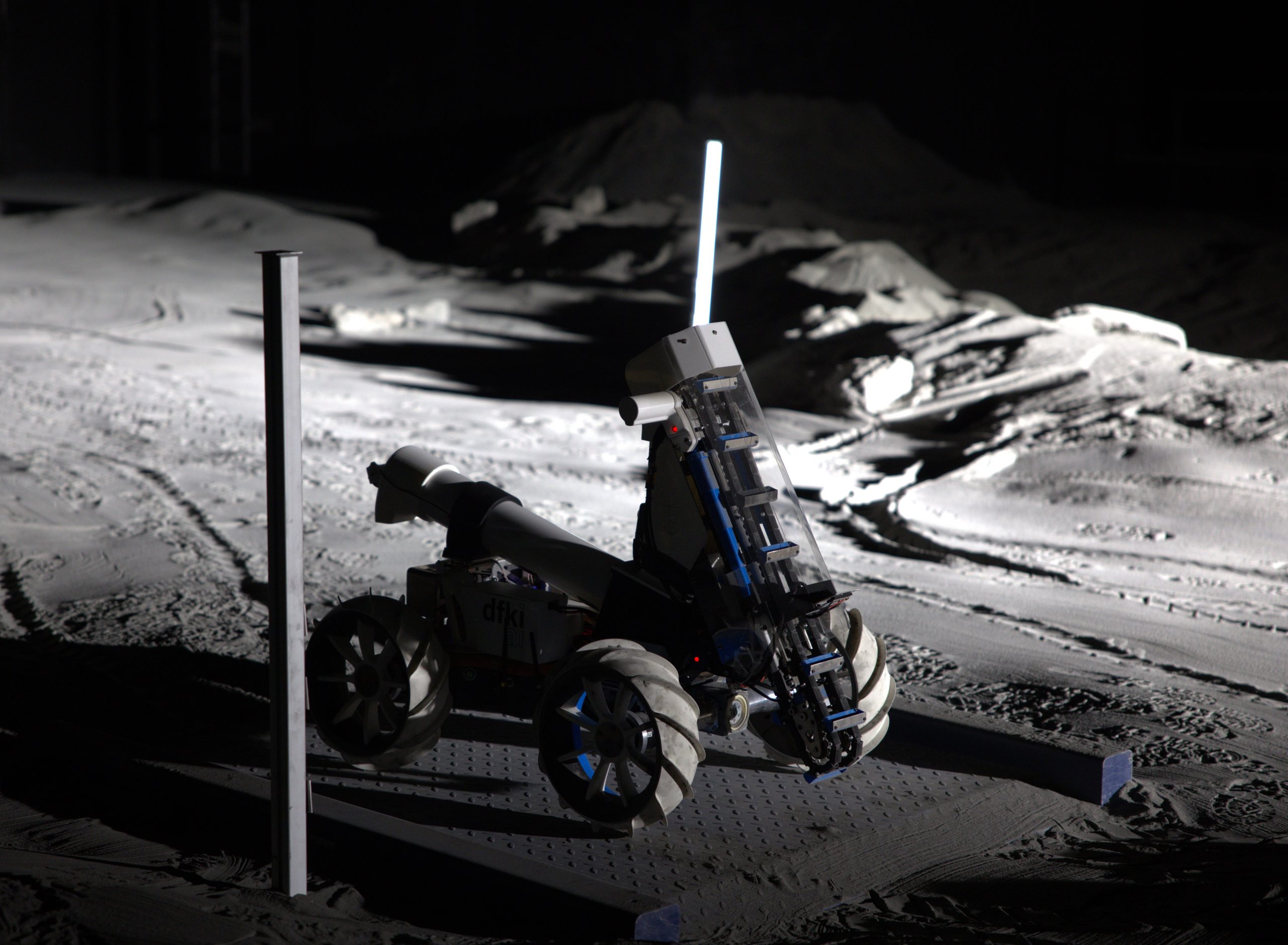
Team BREMEN, based in Europe’s “City of Space”, impressed with a solution that blends innovation and scalability. Combining expertise from DLR, German Research Center for Artificial Intelligence (DFKI), and the University of Bremen, the team developed a modular architecture integrating a mobile rover for excavation with a stationary beneficiation system for size sorting. This approach reduces weight and power requirements while enabling long-term, scalable lunar operations.
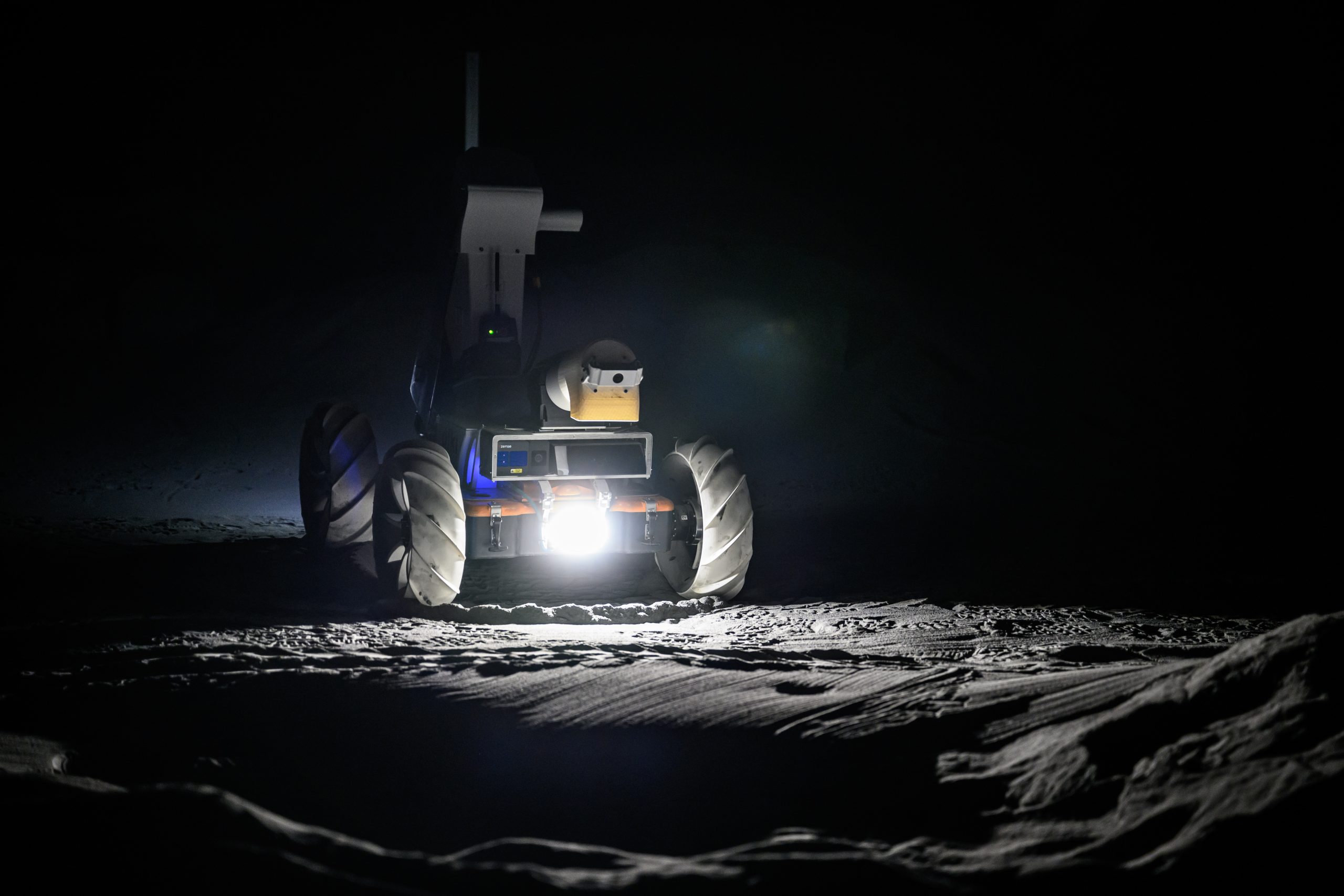
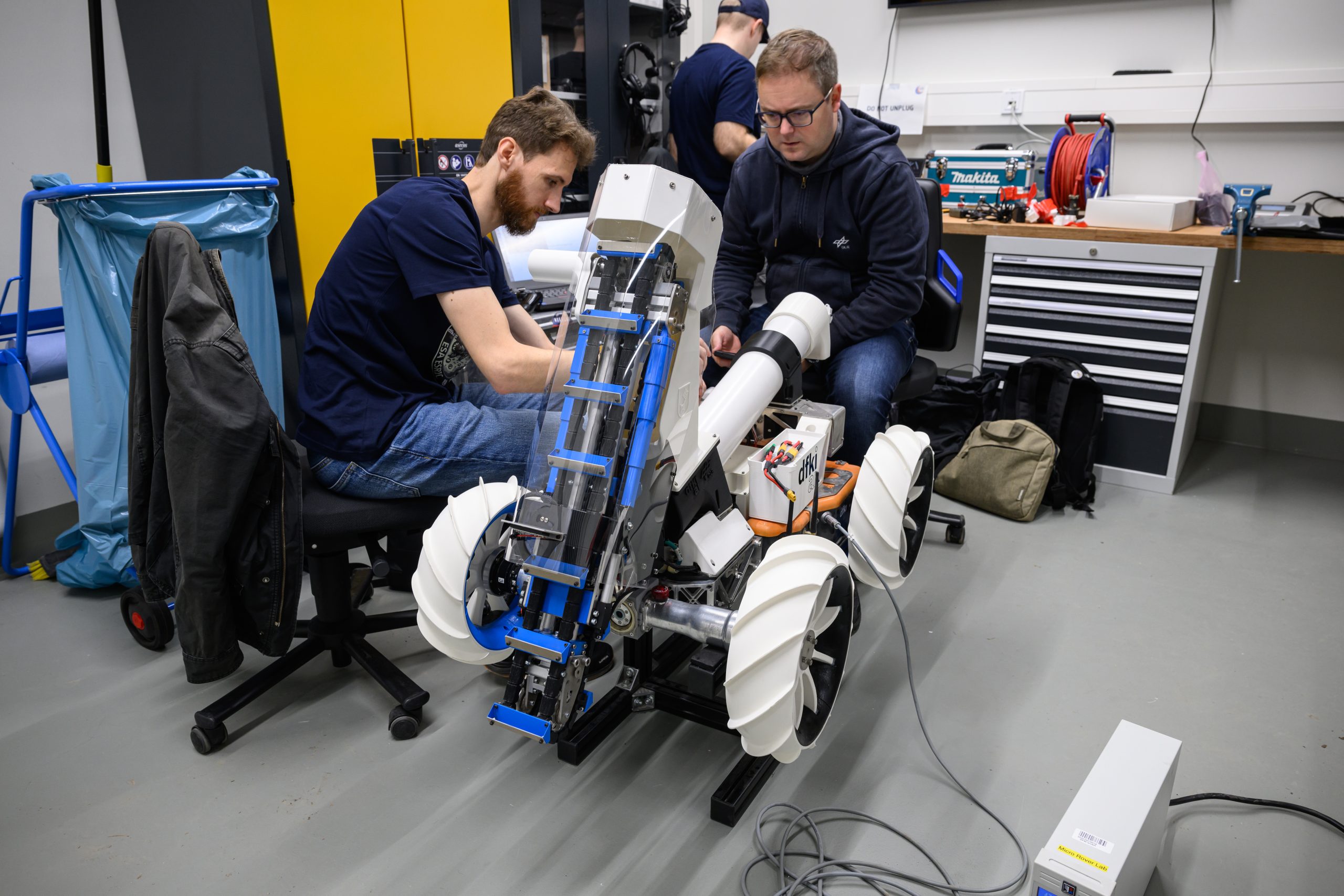
At the heart of the system is Coyote III, a hybrid-wheeled rover designed for unstructured terrain and teleoperation. Its standardized interface supports modular payloads, including excavation tools. Inspired by ISRU-driven missions like Chandrayaan-3 and commercial lander-rover systems such as ispace’s M2, Team BREMEN’s concept aligns with the evolving lunar market, paving the way for sustainable resource utilization beyond Earth.
The winning solution was selected based on the team’s excellent performance during the field test, where they ranked highest overall across the different evaluation criteria. The field test score was not the only factor: teams also submitted proposals, in which they again performed very well. By combining the scores from the field test and the proposals, Team BREMEN was selected as the winner of the ESA prize.
ESA will award team BREMEN with a €500,000 development contract for a feasibility study, accelerating their concept toward deployment on future lunar missions.