The 2nd Call of the BSGN Agri-food Industry Accelerator is now open
The ESA BSGN Agri-food Industry Accelerator, co-led by STAM and SCM, has opened its second call for projects. The call seeks commercially driven R&D initiatives from across the agri-food value chain that can leverage the unique conditions of microgravity to develop innovative products, processes and technologies for terrestrial markets. Interested companies are invited to submit proposals through the OSIP platform by 15 January 2027.
A New Opportunity for Agri-food Innovation in Microgravity
The European agri-food sector represents one of the largest and most strategically important markets for microgravity-enabled research and innovation. Driven by the combined pressures of climate change, food security, resource efficiency, biotechnology commercialization, and evolving consumer demands, the sector is actively seeking transformative technologies that can improve the productivity, sustainability, and resilience of food systems.
Today, commercial facilities and platforms enable companies with little or no previous space experience to perform R&D and manufacturing in microgravity, opening new opportunities for industries seeking breakthrough solutions to terrestrial challenges.
The unique environment of microgravity enables researchers and companies to investigate biological and physical processes that are difficult or impossible to observe under terrestrial conditions. Rather than replacing conventional research, space serves as a complementary innovation platform that accelerates scientific understanding and reduces technical risk.
Applications are now open for a new cohort of projects exploring how microgravity can create tangible value for the agri-food sector. The programme is seeking ambitious projects that address terrestrial challenges while demonstrating a compelling rationale for using space and microgravity as an innovation platform.
Who Should Apply?
The focus of the call is on addressing terrestrial challenges with strong commercial potential for the terrestrial market. The call is open to companies across the agri-food value chain, including:
- Microbial Biomanufacturing
- Precision Fermentation, Synthetic Biology and Bioprocessing
- Plant Biology and Controlled Environment Agriculture
- Cellular Agriculture and Alternative Proteins
- Food Preservation, Safety and Quality
- Novel Bio-based Materials and Sustainable Packaging
Cross-cutting proposals addressing broader agri-food challenges are also encouraged, including climate resilience, resource efficiency, water and nutrient management, digital and precision agriculture, sustainable manufacturing, circular bioeconomy, food security, and technologies that support future space-based food production and regenerative life-support systems.
What Support Will Selected Projects Receive?
Selected participants will benefit from a tailored acceleration programme delivered by STAM and SCM, including:
- One-to-one technical, commercial and business support
- Assistance in designing microgravity experiments and implementation plans
- Access to the commercial space ecosystem and commercial service providers
- Support in identifying ESA funding opportunities
- Guidance in securing additional investment and non-ESA funding
- Assistance with funding applications and project documentation
- Visibility and promotional support within both the agri-food and space sectors
Timeline
1 September 2026 – Call opens on the OSIP platform
1 October 2026, 4 PM CEST - Info Webinar - Watch the recording
15 January 2027 – Submission deadline
January-March 2027 – Evaluation phase
April 2027 – Selection of projects entering the acceleration phase
About the ESA BSGN Agri-food Industry Accelerator
Aligned with ESA's Explore 2040 strategy, STAM S.r.l., in partnership with SCM Europe, has been appointed by the European Space Agency (ESA) to develop and manage the ESA BSGN Agri-food Industry Accelerator. The programme aims to stimulate the adoption of commercial microgravity by the European agri-food industry and help organisations transform promising concepts into commercially viable microgravity-enabled projects.

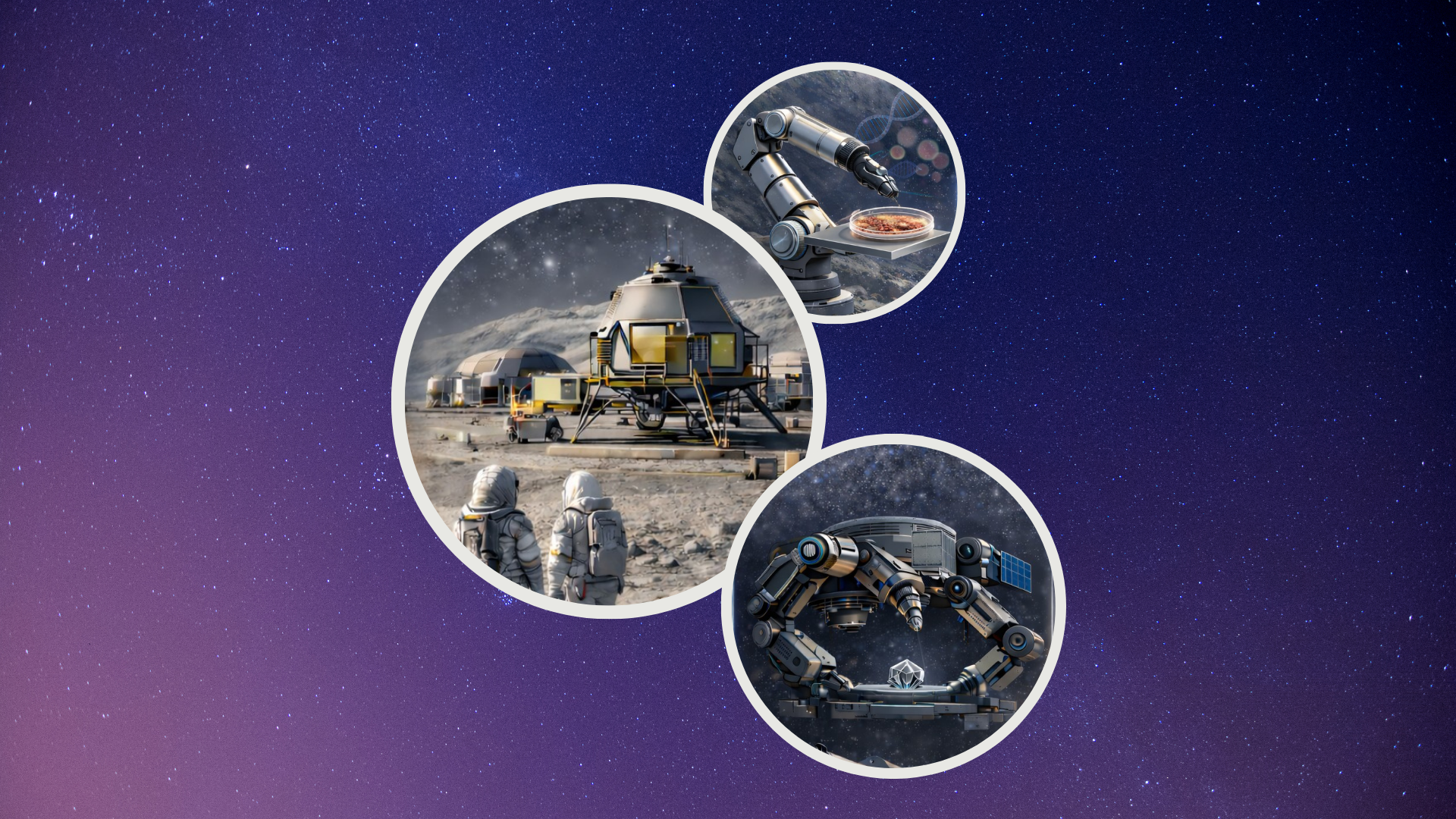
Meet the Winners and Finalists of the Space for Inspiration Academic Challenge 2026
The Space for Inspiration Academic Challenge was launched in April 2026, to identify promising research concepts with long-term commercial potential in space-related markets.
Open to universities, research institutes and academic laboratories from ESA Member, Cooperating and Associated States, the challenge invited applications across three tracks:
- Health & Life Sciences
- Advanced Materials & In-Space Manufacturing
- Space Resources – Construction Applications
Applications were evaluated based on their innovation potential (60%), technical feasibility (20%), and commercial potential (20%).
Following the evaluation process, three teams from each track have been selected as finalists. Over the coming weeks, the shortlisted teams will work with the relevant BSGN Industry Accelerators to further develop and strengthen their concepts before presenting them at the Space for Inspiration 2026 Pitch Competition.
Following the Space for Inspiration 2026 Pitch Competition, one winning team was selected from each challenge track. These teams impressed the jury with the strength of their innovation, technical feasibility, and commercial potential. The winning projects are listed first within each track and will now receive tailored technical and commercialisation support from the relevant BSGN Industry Accelerator. The remaining finalist teams are also recognised for the high quality of their proposals and their contribution to advancing new opportunities in the space economy.
The selected projects are grouped by track below.
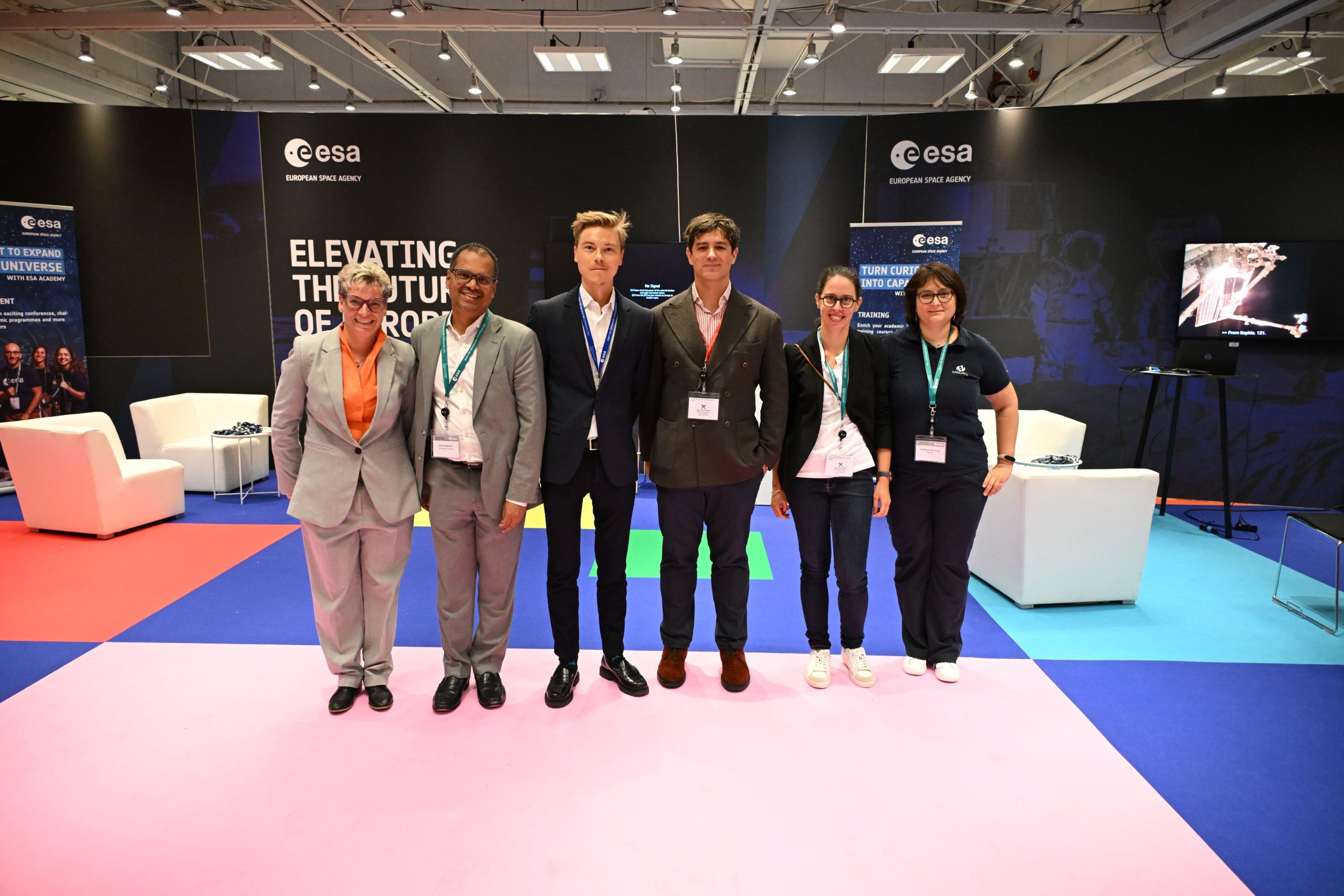
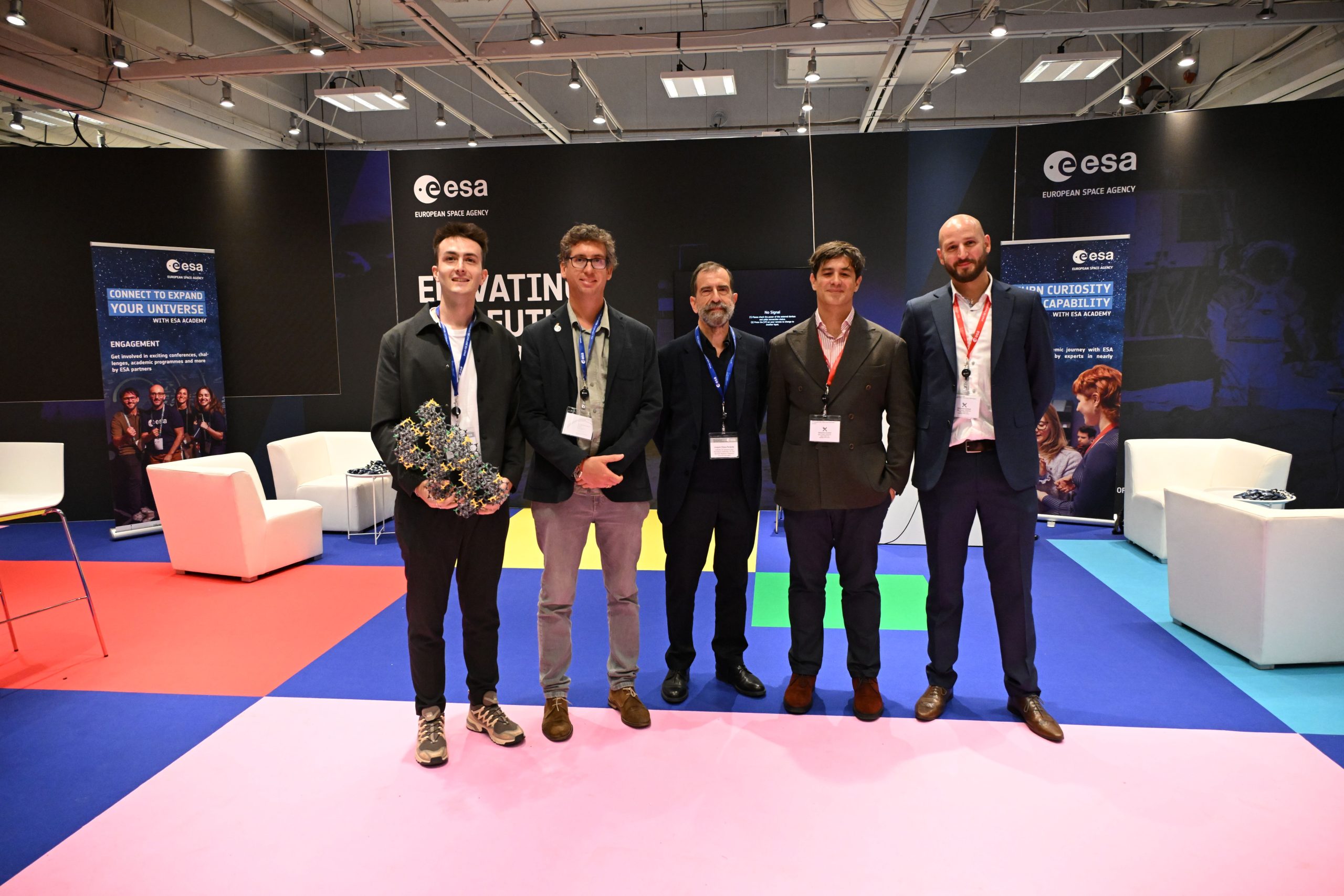
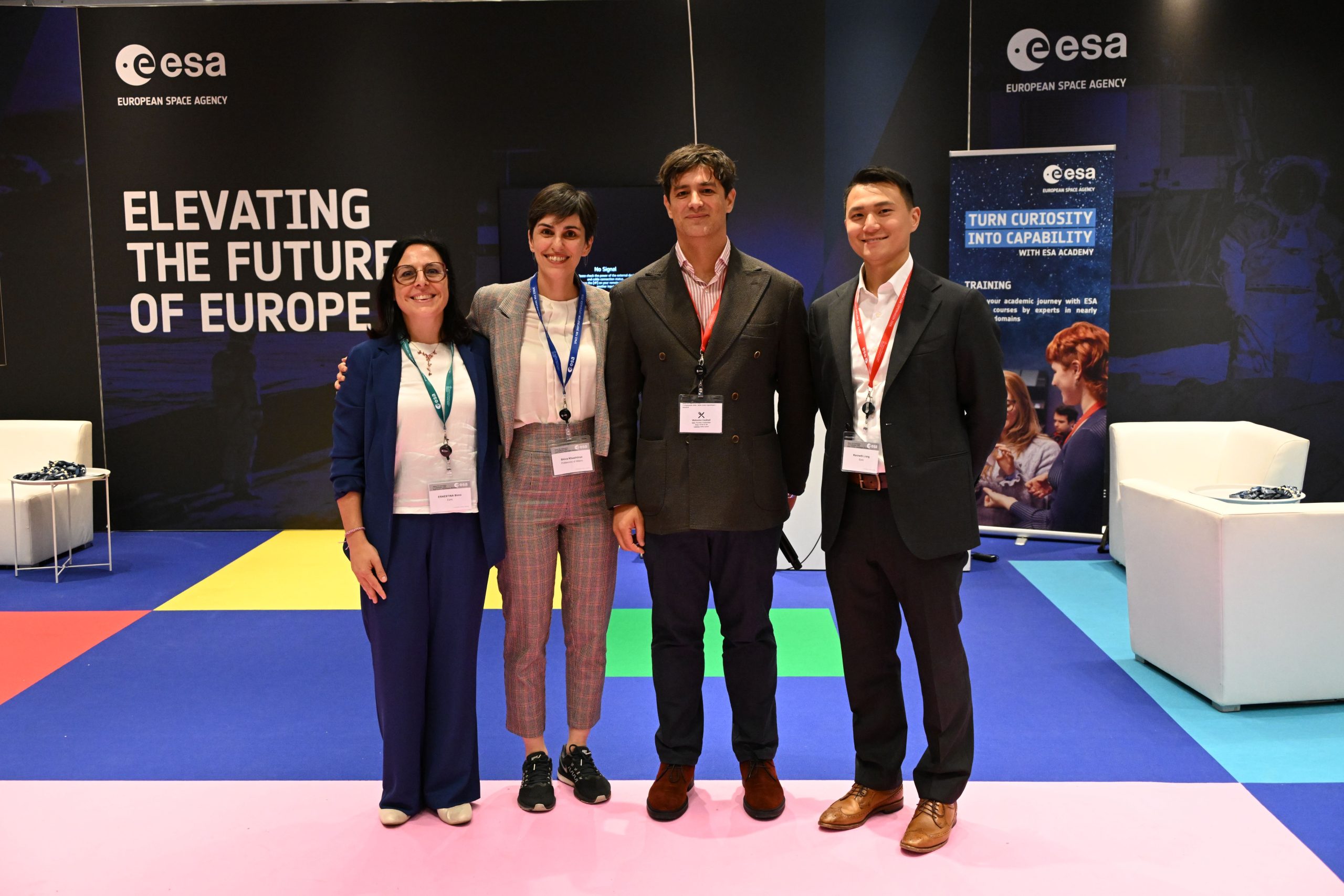
Health & Life Science
Switzerland
Space-enabled novel stem cell therapies for tissue engineering and regenerative medicine.
Neural injuries are among the most difficult medical conditions to treat, without effective therapies available. While stem cell therapies offer significant promise, their clinical efficacy is limited by poor cell survival and regenerative performance.
PRIME-NERVE aims to develop a novel space-enabled bio-manufacturing approach that uses microgravity to enhance the regenerative potential of stem cells. Unlike drug-based or genetic interventions, our technology harnesses altered gravity to enhance stem cell function, creating a scalable platform for broader regenerative medical applications.
Our preliminary results from simulated microgravity demonstrate enhanced stem cell regenerative properties, supporting the development of next-generation therapies for tissue repair and regeneration. By combining regenerative medicine, space biology, and advanced biomanufacturing, PRIME-NERVE transforms space research into healthcare innovation. The project will benefit patients on Earth while generating knowledge to protect astronaut health during long-duration space missions. Thus, our project potentiates the commercial, societal, and scientific value of space-enabled medical innovations.
Space as a tool. Patients as the mission.
Switzerland
AstroDent is developing the first autonomous human oral tissue payload in orbit, a platform designed to study how microgravity and space radiation affect the regeneration of human dental and jawbone tissues. While astronauts are known to experience significant bone loss during long-duration missions, very little is understood about how space conditions influence teeth, dental pulp, or the surrounding jawbone. AstroDent combines advanced organ-on-a-chip technology with regenerative biomaterials and naturally derived bioactive molecules to investigate how these tissues respond in orbit. By generating the first mechanistic data on dental tissue regeneration in space, the project aims to support the development of future countermeasures for astronaut health during long-duration missions to the Moon and Mars. At the same time, the knowledge gained may accelerate the development of innovative regenerative therapies for patients on Earth, including treatments for bone defects, periodontal diseases, and other hard-tissue disorders.
France
CHO cells, the industry standard for monoclonal antibody (mAb) production, face critical challenges such as cell line instability, heterogeneity, and the need to balance yield with quality. MTInov, a French “Industrial Integrator” labeled since 2020 and renewed in 2022, aims to explore the impact of microgravity on CHO cells and mAb production. The goal is to validate microfluidic systems for CHO cell culture on Earth, compare their performance with standard stirred bioreactors, and assess the effects of microgravity on cell growth, IgG production, and cellular function, including transcriptomic and metabolomic profiling. In the second phase, MTInov will characterize space-produced mAbs for structure, glycosylation, aggregation, and biological efficacy. Future applications include optimizing terrestrial bioproduction, enabling in-situ space medicine for long-duration missions, and providing specialized services and premium contract research.
Advanced Materials & In-Space Manufacturing
Institute of Catalysis and Petroleum Chemistry of the Spanish National Research Council (ICP-CSIC), Spain
Imagine creating next-generation catalysts in space and bringing their benefits back to Earth.
A pioneering project, led by researchers at the Institute of Catalysis and Petroleum Chemistry of the Spanish National Research Council (ICP-CSIC), is exploring how microgravity can transform the growth of zeolite crystals—advanced materials used in pharmaceuticals, chemicals, and clean energy production. By growing these crystals in space, the researchers aim to achieve unprecedented levels of structural precision, creating catalysts that are more efficient than those produced on Earth.
The team will investigate whether space-grown crystals can deliver breakthroughs in two critical areas: the production of enantiopure catalysts for pharmaceutical manufacturing and enhanced catalysts for converting methanol into valuable fuels and chemicals. Critically, these high-performance crystals would be used as “seeds” to replicate their superior properties at industrial scale on Earth.
If successful, this space-enabled innovation could accelerate the transition to greener chemical processes, lower carbon emissions, and unlock a new generation of catalytic technologies with global commercial impact.
University of Oxford, UK.
What if tomorrow’s space infrastructure could be built from yesterday’s satellites?
This groundbreaking concept explores how more than 16,000 tonnes of human-made material already in Earth orbit could become a valuable resource for the future space economy. Instead of simply deorbiting retired satellites and orbital hardware, the project investigates novel microgravity-compatible techniques to selectively recover and reuse high-value metals directly in space.
Led by researchers at the University of Oxford, the initiative aims to solve a critical challenge in orbital sustainability: creating a missing link between space debris recovery and in-space manufacturing. By developing new methods for metal recovery in microgravity, the technology could provide reusable feedstocks for manufacturing replacement parts, supporting orbital servicing, and enabling future lunar and cislunar infrastructure.
The vision is clear: transform orbital waste into valuable resources, reduce reliance on materials launched from Earth, and help power a circular, sustainable space economy for generations to come.
University of Newcastle, UK
Could the future of secure communications be manufactured in space?
OrbitSeed is exploring a bold new idea: using the unique conditions of orbit to manufacture the next generation of quantum materials and devices. By harnessing the natural vacuum and microgravity of orbit, the project aims to manufacture ultra-precise quantum-light components that could power future quantum networks, cybersecurity systems, advanced sensors and satellite communications.
At the heart of the concept are atomically thin 2D materials that can generate single photons – the building blocks of quantum technologies. On Earth, these materials can suffer from contamination, strain and microscopic defects during manufacturing. OrbitSeed investigates whether space can provide a cleaner, more controlled environment to improve performance, consistency and scalability.
Led by Newcastle University, the project combines quantum photonics, advanced materials science and AI-assisted automated assembly to explore a future where orbit becomes a factory for high-value quantum components. If successful, OrbitSeed could unlock more secure digital infrastructure, accelerate the quantum economy and redefine how advanced technologies are made.
Space Resources – Construction Applications
Italy
BIOREC explores whether cooperative microorganisms can enable low-energy construction using lunar regolith. Microbial biocementation can consolidate loose material through calcium carbonate precipitation, but the microorganisms responsible may struggle to survive radiation, vacuum and other space-related stresses. BIOREC investigates whether a stress-resistant partner organism can protect the cementation microbe Sporosarcina pasteurii, preserving its viability and performance under space-relevant conditions. The project will assess microbial survival, mineral production, material microstructure and mechanical strength to determine where this approach is technically viable. The results could support future methods for regolith stabilisation, infrastructure repair, radiation shielding and lunar construction while reducing reliance on imported binders, high-temperature processing and heavy equipment.
Luxembourg
This project develops a water-free method for sorting lunar and Martian regolith into particle sizes suitable for construction and manufacturing. Strong bricks, concrete and 3D-printed structures require carefully controlled mixtures of fine and coarse particles, yet raw regolith is highly mixed, abrasive and difficult to process. Terrestrial separation techniques often depend on water, chemicals or consumable components that would be impractical beyond Earth. The proposed system uses tunable vibrations to separate particles according to their size, density and shape. This could provide an autonomous, low-maintenance and resource-efficient feedstock preparation technology for future landing pads, habitats and other infrastructure. The same approach may also offer terrestrial applications in mining and materials processing by reducing water consumption and waste.
Luxembourg
TESSERA investigates a radically simplified approach to lunar construction based on vibration-induced self-assembly. Instead of relying on complex robotic systems to position every component, the project proposes using controlled vibration to organise specially shaped blocks manufactured from sintered lunar regolith. These interlocking elements could assemble into strong, mortarless structures without terrestrial binders, scaffolding or highly precise robotic placement. The concept could reduce operational complexity, imported mass and the risk of equipment failure while enabling scalable construction of landing pads, roads, protective berms and habitat shells. TESSERA will assess whether topologically engineered regolith blocks can be reliably guided into stable, load-bearing structures, offering a potentially low-mass and consumable-free pathway for early lunar infrastructure.

Request for Information (RFI) – Scaling Up Commercial Space Markets (Closed)
ESA is inviting organisations to contribute to a Request for Information focused on scaling research and production in space across four emerging market areas: Health & Life Sciences, Advanced Materials & In-Space Manufacturing, Agri-food, and Space Resources for Construction Applications.
The RFI seeks insights from organisations active in these domains, including space and non-space companies, large corporates, SMEs, start-ups, investors, and other market actors. Respondents are invited to share their perspectives on market opportunities, key barriers, and the conditions needed to enable future growth.
Selected respondents will be invited to join a dedicated workshop at Space for Inspiration 2026, where they will gain insights from ESA and market leaders, and contribute to discussions on future approaches for scaling these markets.
This is an opportunity to take part in a dialogue on extending terrestrial markets into space and to help shape ESA’s future approach to enabling market growth.
Watch the recording from our Q&A Webinar, hosted by ESA, MEDES, the Satellite Applications Catapult, ESRIC, and STAM: RFI: Scaling Up Commercial Space Markets - Webinar Recording | Space for Inspiration 2026
Deadline for submissions: 10 July 2026. Read more and submit your proposal on OSIP

ESA appoints STAM as Managing Partner of the ESA BSGN Agri-Food Industry Accelerator, in partnership with SCM Europe
ESA BSGN Agri-Food Industry Accelerator aims to strengthen the connection between the European agri-food ecosystem and the emerging commercial space economy, supporting companies, startups, research organisations and industrial players in developing commercially viable projects leveraging Low Earth Orbit (LEO), microgravity research and space-enabled technologies.
The accelerator builds upon the experience and lessons learned from the first phase of the BSGN Agri-Food activities, which demonstrated the growing interest of terrestrial industries in applications ranging from sustainable agriculture and crop resilience to alternative proteins, fermentation processes, vertical farming and advanced food systems.
About the managing partners
STAM brings to the initiative more than 25 years of experience in advanced engineering, innovation management and commercialization support across sectors including space, defense, circular bio-economy and agri-food. Through its roles as ESA Technology Broker and ESA InCubed Ambassador in Italy, STAM has developed extensive experience in orchestrating innovation ecosystems, supporting venture creation and connecting public and private stakeholders around high-impact technology programmes.
SCM Europe contributes internationally recognised expertise in space commercialization and in-space business development. The company has extensive experience in microgravity applications, commercial low-Earth-orbit activities, customer interface development and the creation of acceleration and market stimulation initiatives dedicated to emerging in-space markets. SCM has also played a key role in previous BSGN activities and in supporting commercial projects involving research and manufacturing in orbit.
The partnership between STAM and SCM Europe originates from the joint work carried out by the two organisations on the commercialisation framework for ESA’s reusable space transportation system Space Rider. Through this collaboration, the teams contributed to the development of customer engagement models, commercialization pathways, and approaches aimed at enabling broader non-space participation in future in-orbit activities. The collaboration also builds upon the experience gained by STAM on enabling technologies for sustainable life-support systems and future off-Earth food production capabilities, in synergy with initiatives such as ESA’s MELiSSA programme, which has pioneered research on regenerative life-support systems, circular resource management and sustainable food production for long-duration space exploration missions.
Vision and Goals
Together, STAM and SCM Europe will implement an acceleration approach designed to bridge terrestrial market needs with space capabilities. The programme will combine ecosystem aggregation, targeted scouting, one-to-one acceleration support, technical mentoring and business coaching, matchmaking with Commercial Service Providers (CSPs), and support in accessing both ESA and non-ESA funding opportunities, including private funds. In addition, the accelerator may introduce challenge-driven activities aimed at engaging larger industrial players, corporates, investors and non-space stakeholders around concrete market needs and operational use cases.
This approach is intended to stimulate commercially-oriented innovation pathways, facilitate the creation of new partnerships and co-investment opportunities, and generate complementary pipelines of high-potential commercially-oriented projects.
The accelerator will focus on supporting projects across several strategic domains including crop management and monitoring, plant science, alternative proteins, food processing, sustainable production, packaging, fermentation technologies and advanced agri-food systems. These application areas have been identified as some of the most promising intersections between terrestrial agri-food challenges and space-enabled research and innovation.
By combining ESA’s strategic vision with the complementary expertise of STAM and SCM Europe, the ESA BSGN Agri-Food Industry Accelerator aims to contribute to the emergence of a new generation of commercially driven, space-enabled agri-food ventures capable of generating both terrestrial and in-space value.
Meet STAM and SCM Europe in person
The ESA BSGN Agri-food Industry Accelerator will officially be presented during the “Space for Inspiration” conference taking place in Copenhagen in September 2026, where STAM and SCM Europe will lead a dedicated session focused on the commercialization opportunities emerging at the intersection of space and the agri-food sector. The session will showcase the services offered by the accelerator, present upcoming open calls and illustrate how companies and innovators can access the programme to explore and develop space-enabled commercial projects, while highlighting success stories and emerging commercial opportunities enabled by microgravity research.
Upcoming activities will include stakeholder engagement actions, thematic webinars, targeted outreach to industrial and agri-food communities, matchmaking activities with investors and service providers, and the launch of new open calls aimed at identifying high-potential projects capable of progressing toward future implementation opportunities. The programme will also place strong emphasis on attracting terrestrial industrial actors and private co-funding, building upon the lessons learned regarding commercialization readiness and ecosystem engagement.
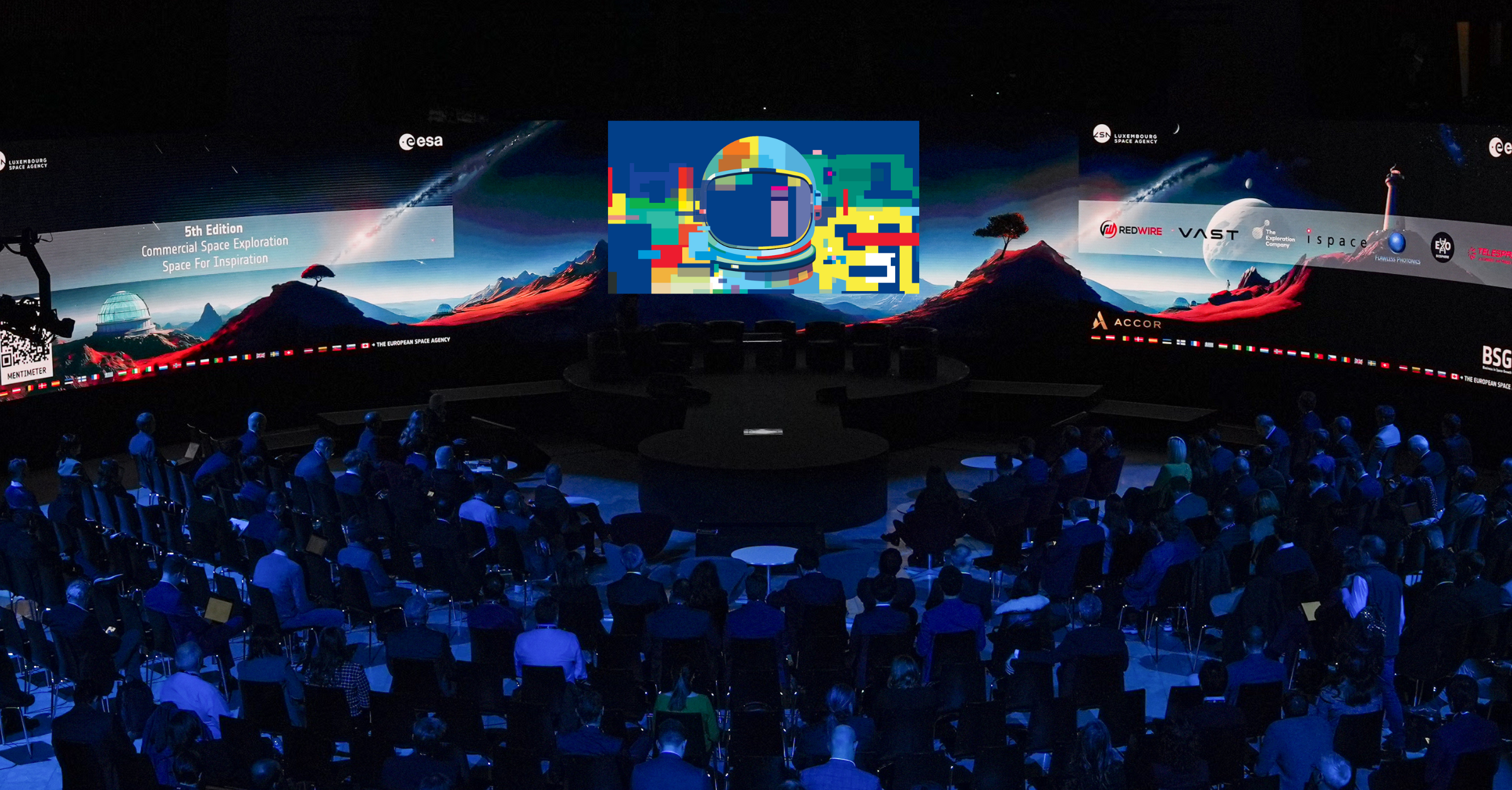
Space for Inspiration 2026 – Join the Academic Challenge (Closed)
Space for Inspiration (S4I) 2026 is ESA’s annual conference on commercialisation of space exploration, bringing together industry, researchers, investors, institutional stakeholders and innovators to accelerate commercial use cases enabled by space. The 2026 edition will take place in Copenhagen, Denmark, on 1–2 September 2026 and will provide an international forum to share results, compare approaches, build partnerships and identify practical pathways from demonstration to scale – across both microgravity-enabled innovation and lunar exploration enabling capabilities.
As part of the 2026 edition, ESA is launching the Academic Challenge: an opportunity for academic teams to put forward innovative research concepts with strong long-term commercial potential for in-orbit markets and the lunar space resources value chain.
The Challenge is designed to help promising research move closer to a market-relevant proposition by combining visibility, pitch preparation, and tailored follow-on support.
Submission deadline is on the 5 June 2026.
Who can apply:
The call is open to universities, research institutes, and academic laboratories based in ESA Member, Cooperating, or Associated States, with proposals led by PhD‑level researchers or above.
The Academic Challenge is divided into 3 Tracks:
- Track 1: Health & Life Sciences
- Track 2: Advanced Materials & In‑Space Manufacturing
- Track 3: Space Resources – Construction Applications
Meet the Academic Challenge – Step by Step:

Why you should submit your idea:
Ahead of the final pitch competition, shortlisted teams receive 2 dedicated pitch preparation sessions to help them translate their research into a clear, compelling pitch. This phase focuses on refining the core idea, sharpening its relevance to the selected track, and strengthening how the potential impact and application pathway are communicated to a non‑academic audience, with guidance from the relevant corresponding BSGN Industry Accelerator Track Leader.
Following the Pitch Competition, the winning project of each track receives tailored in‑kind support aimed at consolidating the outcomes of the process and preparing the project for its next development step. This post‑competition phase includes 3 sessions of technical support, 3 sessions of commercialisation support, and a Final Support Report. The winning teams will receive one-on-one technical and commercial support by Track Leader, reflect on feedback received during S4I, and clarify realistic next actions, resulting in a consolidated view of how the concept could progress beyond the research stage.
ESA Academy will financially support student representative/s of the selected teams to attend Space for Inspiration and pitch their ideas.
Webinar
The BSGN Industry Accelerators hosted a dedicated webinar to present each Track and provide additional insights into the opportunity. The Webinar introduced the focus and expectations of each Track, share practical guidance on what makes a strong proposal, and offer space for live Q&A with potential applicants.
Q&A
In terms of maturation and TRL, we welcome early-stage ideas and concepts, as the intention is to take on innovative ideas that have not yet been fully tested, in order to assess their technical viability and commercial potential along the way.
No. The winners of the Academic Challenge will receive in-kind support from the BSGN Accelerators. You will receive support from experts in the field to help mature your idea, both on the commercial and technical sides. No funding will be directly provided to the winners, but the support offered will help guide your project to the next stage.
When starting the application process on OSIP, you will find a set of questions in the application form. We are looking for an indication of the core concept. If there is some validation of the idea, it can also be mentioned there.
It is our intention to enable new commercial projects, while teams remain the owners of the concepts they share. The teams selected to participate in the pitch competition during the conference will decide what can be shared publicly on stage and to what extent they wish to disclose details of their projects.
Participation is restricted to organisations located in ESA Member States, Cooperating States, and Associated States.
Teams are welcome to apply even if they are not yet incorporated as a startup or company.
Absolutely, you can apply from your current stage, and you would be eligible. The winners will receive commercial and technical support from the accelerators, including guidance on finding funding and better understanding the specific needs of each project.
The Academic Challenge does not include a dedicated track for the agri-food industry, but we encourage relevant entities to stay tuned, as we will soon announce the new managing partner for the agri-food accelerator, and new calls will follow.
Each track winner will receive in-kind support from the BSGN Industry Accelerator, consisting of 3 sessions/workshops of technical support and 3 sessions/workshops of commercialisation support.
At the end of the support period, the Managing Partner will deliver a Final Support Report including a summary of the winning solution, details of the maturation achieved, and recommended next steps (e.g. BSGN Industry Accelerator full entry, ESA BIC, and other relevant ESA funding tools and programmes).
No funding is provided at the application or support stages.
The Academic Challenge is designed for researchers and academic entities. Private companies can be included if there is a partnership with a research organisation or PhD students.
Application
Full details about the call, the Tracks, and the application process are available on ESA’s Open Space Innovation Platform (OSIP). Applicants are invited to explore the information provided and submit their ideas no later than 5 June 2026.
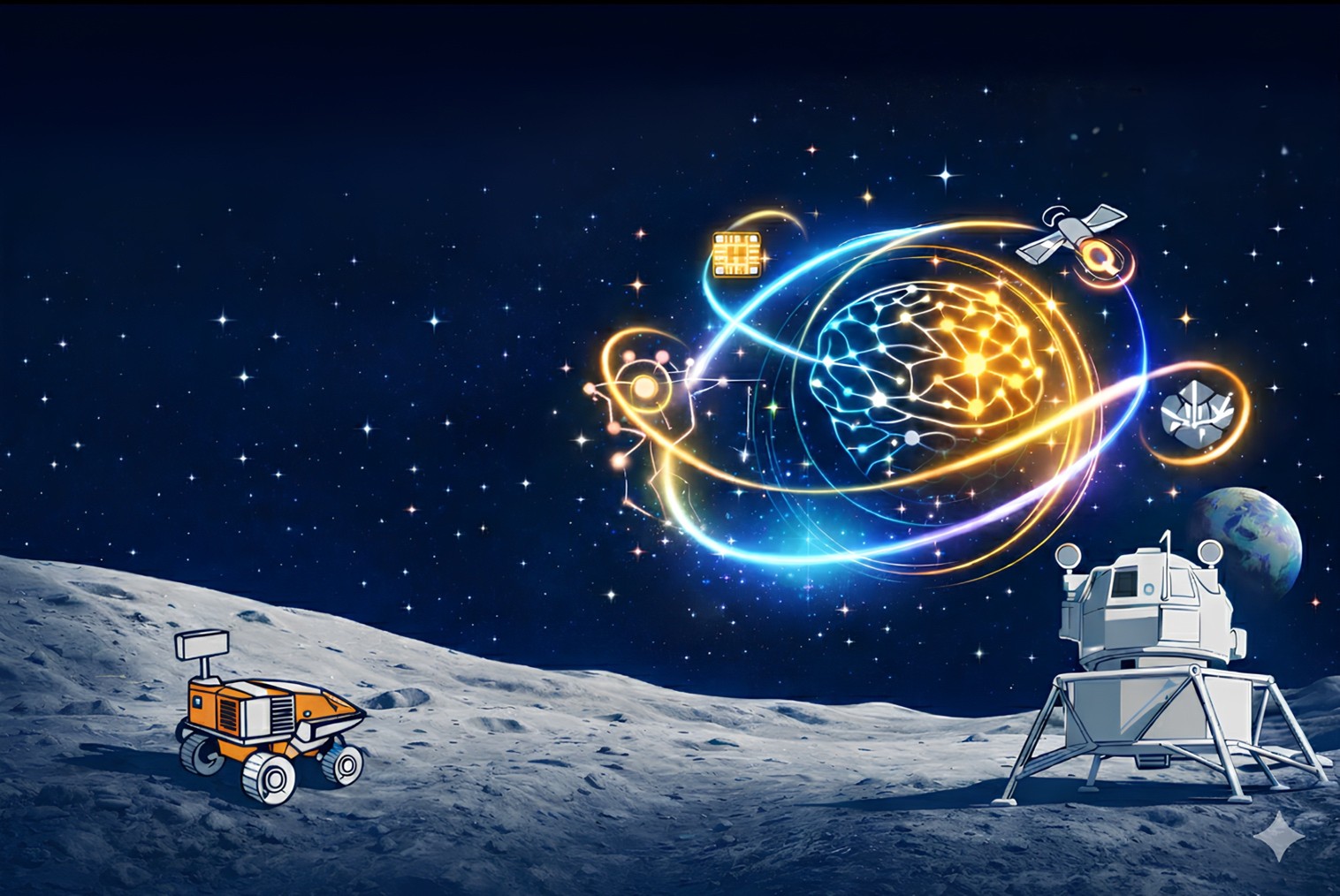
Call for ideas: Quantum Technology for Space Exploration (Closed)
ESA launches an OSIP campaign inviting ideas on how quantum technologies could support future exploration missions. Submit proposals by 12 April 2026.
ESA’s Human and Robotic Exploration Directorate is inviting the quantum technology community to contribute ideas through a new Open Space Innovation Platform (OSIP) campaign focused on space exploration.
Quantum technologies are advancing rapidly and may offer new possibilities for mission design, operations, and scientific discovery. This campaign explores how quantum computing, sensing, communication and materials could contribute to future exploration missions in Low Earth Orbit, the Moon and Mars, supporting ESA’s Explore 2040 strategy.
The call welcomes ideas across all technology readiness levels, including studies, software concepts, sensing technologies, communication architectures, materials research and early demonstrations.
Submissions should outline the potential quantum advantage, describe the mission context (LEO, Moon or Mars) and indicate possible benefits such as improved precision, operational efficiency or enhanced scientific return.
Selected contributors will be invited to participate in a strategic workshop in Q2 2026 to exchange insights, identify synergies and codevelop a preliminary roadmap for quantum integration into ESA’s exploration activities.
While this first phase is not funded, strong proposals may inform future co-funded opportunities, thematic calls or collaborative working groups.
About OSIP
The Open Space Innovation Platform (OSIP) is ESA’s main entry point for new ideas from the space community. It allows individuals, companies and research organisations to submit innovative concepts in response to specific campaigns or broader thematic channels.
How to submit:
- Follow the submission link and click the “Submit Your Idea” button.
- Complete the submission form by filling in all required information. You may save your entry as a draft if it’s not yet complete, or click “Submit Idea” once all information is finalized.
- Contact the designated contact persons if you need clarification about the call or the submission process.
- Submission deadline extended to April 26, 2026
Submission link: Open Space Innovation Platform - OSIP - Campaign: Call for Ideas: Quantum Technology for Space Exploration
Content Contact Person(s)
- Fisayo Banjoko, Software and AI Team, HRE-FI
- Lisa Denzer, Software and AI Team, HRE-FI
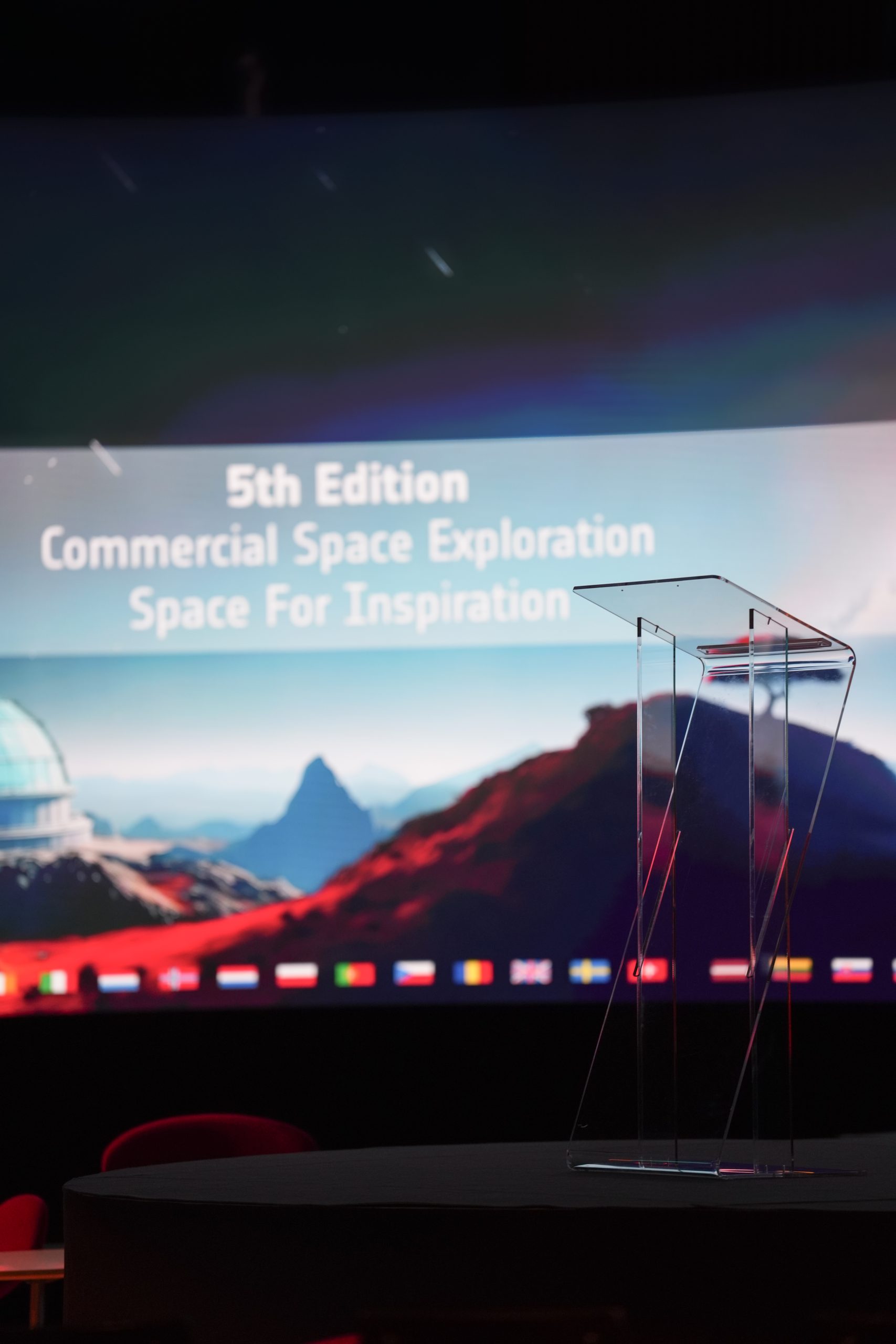
Space for Inspiration 2026 - Call for Programme Agenda Contributions (Closed)
Space for Inspiration (S4I) 2026 is ESA’s annual conference dedicated to the commercialisation of space exploration, bringing together industry, researchers, investors, institutional stakeholders and innovators to accelerate commercial use cases enabled by space. The 2026 edition will take place in Copenhagen, Denmark, on 1–2 September 2026 and will provide an international forum to share results, compare approaches, build partnerships and identify practical pathways from demonstration to scale – across both microgravity-enabled innovation and lunar exploration enabling capabilities.
This year, the programme is structured around four themes:
- Life Sciences (pharma/biotech/medtech) (microgravity)
Microgravity offers a unique environment to study biological processes and develop products and manufacturing pathways that are difficult or impossible to replicate on Earth. This theme welcomes contributions related to R&D and translation, including therapeutic discovery and development, bioprocessing, diagnostics, medical devices, digital health enablers, and platform technologies supporting validation in orbit. Contributions are also invited on research and innovation supporting astronaut health and wellbeing – including monitoring, prevention and countermeasures for spaceflight risks – and on synergistic innovations with dual benefits for space and terrestrial healthcare applications.
2. Advanced Materials and In-Space Manufacturing (microgravity)
Microgravity can enable new material behaviours and higher-quality outputs by reducing convection-driven effects and enabling highly controlled processes. Sustained activity in Low Earth Orbit and beyond will also depend on progress in in-orbit manufacturing capabilities. Contributions are invited on novel materials, improved performance or purity, characterisation methods, manufacturing processes, automation and operations concepts, quality assurance, scale-up considerations, and enabling technologies that support repeatable production in space.
3. Agri-Food (microgravity)
This theme focuses on microgravity-enabled innovation for food systems and bio-production. Contributions are invited on bioprocessing and fermentation, novel ingredients (including alternative proteins), controlled-environment cultivation and plant/seed biology, food quality and safety, and packaging, stability and shelf-life solutions, along with translation pathways to terrestrial applications and markets. Contributions are also invited on food systems and closed-loop approaches for deep space exploration, including resource-efficient production, waste-to-value processes and food-related life-support interfaces, as well as synergistic innovations with dual benefits for space and terrestrial agri-food systems.
4. Lunar Space Resources, with a focus on construction-related applications
A sustainable lunar presence depends on the ability to use local resources – primarily regolith and water ice – to reduce reliance on Earth supply chains. This theme invites contributions on lunar resource utilisation pathways that enable construction and infrastructure, including excavation and handling, processing, binders and building materials, landing pad and road solutions, radiation shielding, standards and verification, and end-to-end value chain considerations.
Call for Contributions
Space for Inspiration welcomes contributions from organisations and individuals across the space ecosystem and relevant terrestrial markets—whether you are developing technology, running experiments, building services, funding ventures, or generating evidence that supports adoption. Submissions may include proposals for keynote sessions, panel discussions and workshops, covering technical progress, market insights, lessons learned from demonstrations, operational and regulatory perspectives, business and investment considerations, and collaborative models that help move from pilots to scalable, repeatable activity.
The call is open until 3 April 2026.

Meet the Second Cohort of ESA's Advanced Materials and In-Orbit Manufacturing Accelerator
Following the 2nd Call of the BSGN Advanced Materials and In-orbit Manufacturing Industry Accelerator in June 2025, three groundbreaking projects have been selected for acceleration and deployment in orbit: Starflight Dynamics, ArcSpace and Flawless Photonics.
Selected from a competitive pool of 18 applications across 10 ESA Member States, these projects aim to develop commercial solutions in advanced materials and in-space manufacturing domains by boosting their R&D through the unique properties of the space environment. During the Acceleration phase, The Business in Space Growth Network (BSGN), in collaboration with the Satellite Applications Catapult, the managing partner of the Advanced Materials and In-orbit Manufacturing accelerator will support the consortiums of this second cohort in refining technical and commercial plans, preparing the selected projects for implementation and deployment in orbit.
Who’s in the second cohort?
ArcSpace
Scalable in-orbit Electron Beam joining & cutting process for assembly & manufacturing operations
Lead Entity: ArcSpace (Startup, France)
Key Partners: CNRS – LPGP laboratory (France)
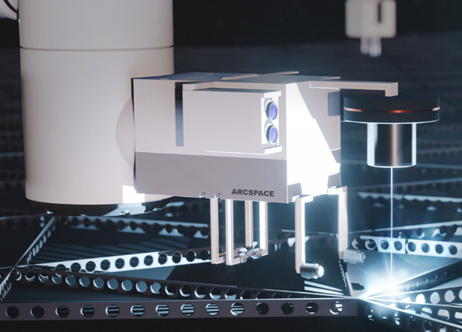
In-Orbit Manufacturing (IOM) is being held back due to the lack of available in-space tools/processes, preventing space mission and infrastructure designers from rapidly designing and testing breakthrough products. ArcSpace has developed a sustainable on-orbit joining and cutting solution based on Electron Beam technology, filling this capability gap for near-term in-orbit servicing applications, microgravity materials processing, and long-term in-space assembly of critical systems and large structures.
This mission will deliver a first-of-its-kind in-orbit demonstration of the company’s core welding technology, showcasing safe and controlled welding in microgravity through an innovative contamination-management approach. By proving this critical capability in space, the mission sets the stage for the commercial rollout of the company’s flagship offering: welding-based in-orbit servicing solutions designed to support sustainability and high-value dual-use applications.

Starflight Dynamics / Levion Materials
Zero-Gravity Growth of Next-Gen Semiconductor Materials
Lead Entity: Starflight Dynamics (Startup, Germany)
Key Partners: JX Advanced Metals Corporation (Japan)
Levion Materials (the newly established specialty division of Starflight Dynamics) aims to produce a new class of semiconductor materials by taking its manufacturing to space.
As disruptive effects like convection, segregation, and sedimentation driven by buoyancy are minimized under microgravity, this new approach leads to the formation of significantly defect-reduced crystals, resulting in ultra-pure materials of a quality fundamentally unachievable on Earth.
This concept builds on well-established growth methods (such as Travelling-Heater-Method and Bridgman technique) and combines precise thermal control with space-ready ampoule technology to create crystals ideal for next-generation electronics, sensing, and quantum applications among others.
Levion is therefore addressing the pressing demand for high-performance materials by paving the way for its space-enabled production.
This mission will demonstrate the crystal growth of advanced semiconductor materials – e.g., cadmium zinc telluride (CZT) and indium phosphide (InP) – inside sealed ampoules. A compact furnace module, pre-programmed to execute precise thermal cycles on 4 to 6 samples, will be used to replicate critical industrial crystal-growth processing steps under microgravity conditions.
The mission will validate not only material performance, but also system-level readiness – including hardware operability in orbit, safety of sealed charge handling, and post-mission recovery.

Flawless Photonics
Scaling ZBLAN Fiber Manufacturing from ISS Success to Autonomous Production in LEO
Lead Entity: Flawless Photonics (Startup, Luxembourg)
Building on their success aboard the International Space Station, where they produced nearly 12 kilometres of high-quality ZBLAN (zirconium barium lanthanum aluminium sodium fluoride) optical fibre—an unprecedented length for microgravity manufacturing – Flawless Photonics is now advancing toward fully automated, scalable in-orbit production. By leveraging microgravity to eliminate gravity-driven defects, Flawless Photonics’ next-generation systems will enable consistent, defect-free production of advanced optical materials, unlocking new opportunities in ultra-fast communications, sensing, imaging, and next-generation photonics.
Optical fibres are essential for our connected digital world. They are currently most commonly made of silica glass, which is easy to produce but requires the use of expensive repeaters due to optical losses in the fibre. Fluoride glass optical fibres, known as ZBLAN (zirconium barium lanthanum aluminium sodium fluoride), has significantly lower signal loss than silica fibres but is prone to crystallization defects when produced on Earth due to convection and other gravity-driven phenomena. In microgravity, these gravity-driven imperfections are eliminated, allowing for a purer, defect-free microcrystal formation, resulting in clearer glass. This purity can lead to a significant performance increase, opening new markets for infrared transmission and other high-end uses.

What comes next?
Throughout their acceleration journey, the selected project leads will benefit from dedicated 1-to-1 support by the Satellite Applications Catapult, gaining access to tailored support across all stages – from business maturation to the design of in-orbit demonstrations. This ensures both technical and commercial readiness for their missions.
Key advantages for the selected projects include:
- Expert guidance in navigating the complex space ecosystem, fostering connections with key stakeholders and resources.
- Assistance to refine private funding strategy beyond ESA support, while project leads retain final responsibility.
- Hands-on support in preparing documentation for ESA’s co-funding tools, simplifying the application process.
- Enhanced visibility and promotional support to amplify project exposure across relevant sectors.
This initiative underscores the commitment of the BSGN Industry Accelerator to propel innovation in advanced materials and in-orbit manufacturing, fostering collaboration and accelerating the journey from concept to orbit.
More information
About The Satellite Applications Catapult
The Satellite Applications Catapult is a UK-based innovation and technology centre dedicated to advancing the use of satellite data and services across industries. The Catapult helps businesses, governments, and research organisations harness space technologies to drive growth, sustainability, and digital transformation. Through the Beyond Earth mission, the Catapult is working with businesses and research organisations to develop technologies that enable satellite life extension, debris removal, autonomous assembly, and in-orbit manufacturing. By fostering collaboration and providing access to cutting-edge facilities, the Catapult is helping UK and European companies shape a new era of space infrastructure and capability beyond Earth.
About ESA
The European Space Agency (ESA) provides Europe’s gateway to space. ESA is an intergovernmental organisation, created in 1975, with the mission to shape the development of Europe’s space capability and ensure that investment in space delivers benefits to the citizens of Europe and the world. By coordinating the financial and intellectual resources of its members, ESA can undertake programmes and activities far beyond the scope of any single European country.
About BSGN Advanced Materials and In-orbit Manufacturing Accelerator
The BSGN Industry Accelerators are part of an ESA initiative designed to drive the growth of new economic markets in Low Earth Orbit and on the Moon. These accelerators facilitate collaboration with key industry players, attract new market entrants, and support the development of commercially viable business models based on space research. Operating under a public-private co-funding model, the BSGN Advanced Materials and In-orbit Manufacturing Industry Accelerator is managed by ESA’s Industrial Partner the Satellite Applications Catapult. It focuses on co-funding and supporting commercial projects and innovators developing breakthrough advanced materials and manufacturing solutions using in-orbit R&D and microgravity engineering platforms.
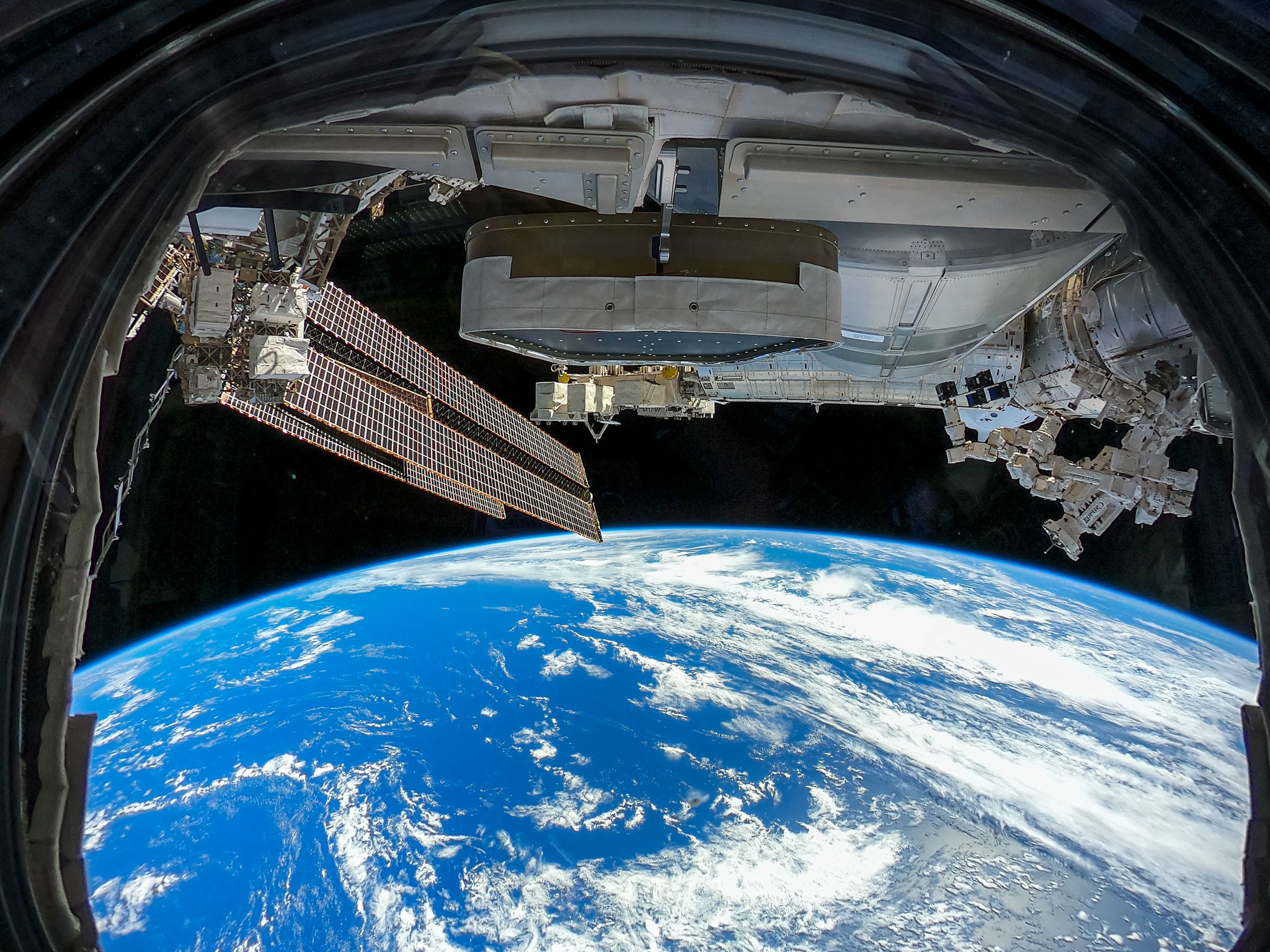
2025 Highlights
2025 was a pivotal year for the commercial space sector, and the Business in Space Growth Network (BSGN) played a key role in driving progress. From delivering three commercial research projects aboard the ISS to securing €3.82M in private investment through accelerated ventures, the BSGN continues advancing initiatives that bridge terrestrial industries and space-based opportunities. The article highlights the year's key milestones, collaborations, and measurable outcomes.
The Accelerators
The Business in Space Growth Network initiative supports commercial space R&D through accelerators that connect Earth-based industries with space opportunities. These programs aim to create new markets and ecosystems while advancing human and robotic exploration capabilities.
- • The Life Sciences Industry Accelerator, managed by MEDES, has announced the selected projects of its 2nd cohort: Pricilia and MyrSpaceCardio. In its 1st cohort, it supported 5 projects, with 2 projects launched their in-orbit experiments during 2025 (BioOrbit and Zeprion-2) and 3 projects expected to launch during 2026 (SpaceOrganoids, HORUS, and Spancer).
- • The Advanced Materials & In-Space Manufacturing Industry Accelerator, managed by the Satellite Applications Catapult, has supported the acceleration of CosmicMaker and Hephaestus, both expected to execute in-orbit demonstrations in 2026-2027.
- • The Space Resources Industry Accelerator, managed by ESRIC, is currently supporting 6 projects in the acceleration phase: Maana Electric, Volta Space Technologies, FibreCoat, Orbital Matter, OrbitFab and Space Power.
- • 2 projects from the Agri-food Industry Accelerator’s 1st cohort launched to the ISS: Sophie’s Bionutrients and Astrobiome.
Commercial Services
The Business in Space Growth Network has updated its commercial service pages to provide the latest offerings and capabilities. Visit the updated listings to explore current service listings, discover new solutions for space-related activities, and suggest additional services to help expand the portfolio.
Events
The following section highlights the main events and activities that took place during 2025, showcasing important milestones and community initiatives from throughout the year.
- • Space Resources Week, which took place during May 2025 in Luxemburg, is a yearly event organised by our partner the European Space Resources Innovation Centre (ESRIC), in collaboration with the European Space Agency (ESA), the Luxembourg Space Agency (LSA) and the Luxembourg Institute for Science and Technology (LIST). The event brings together space agencies, business leaders, researchers, and early-stage ventures, addressing the science, technology, economic, legal and regulatory aspects of space resources. To read more: Space Resources Week 2026
- • Automated LEO Platforms Industry Day – The workshop, led by ESA's Human & Robotic Exploration directorate (HRE), took place during September 2025 in the Netherlands. The workshop brought together ESA teams, LEO commercial service providers, payload hardware developers, terrestrial industry users, investors and consulting services, to examine how a new class of automated, rapidly recoverable, free-flying platforms can accelerate microgravity research and foster commercial activity. To read more: HRE Industry Workshop - Automated LEO Platforms for R&D and Manufacturing - BSGN
- • Space Resources Forum 2025: Exploring the Ground-Based Pilot Plant – During this event, which took place during November 2025 in ESTEC (the Netherlands), we explored the Ground-Based Pilot Plant (GBPP), a visionary initiative by the European Space Agency (ESA) and the European Space Resources Innovation Centre (ESRIC). The GBPP is a testbed for producing oxygen and metals from lunar regolith using Molten Salt Electrolysis. The event provided early insights into the upcoming ITT for the GBPP, alongside the opportunity to connect, contribute, and collaborate.
Follow the Business in Space Growth Network on LinkedIn to hear about the latest news and upcoming events.
Space Resources Challenge
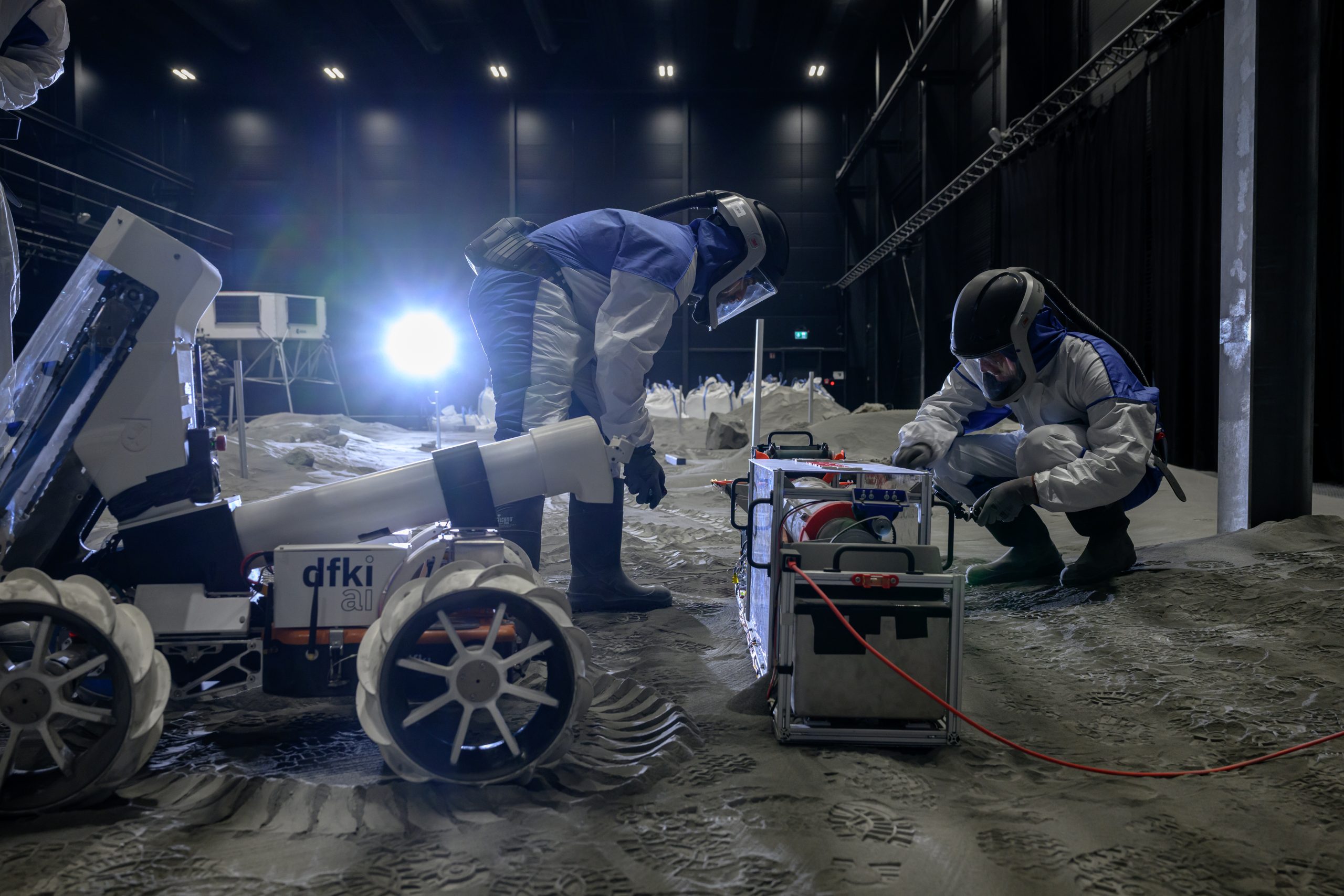
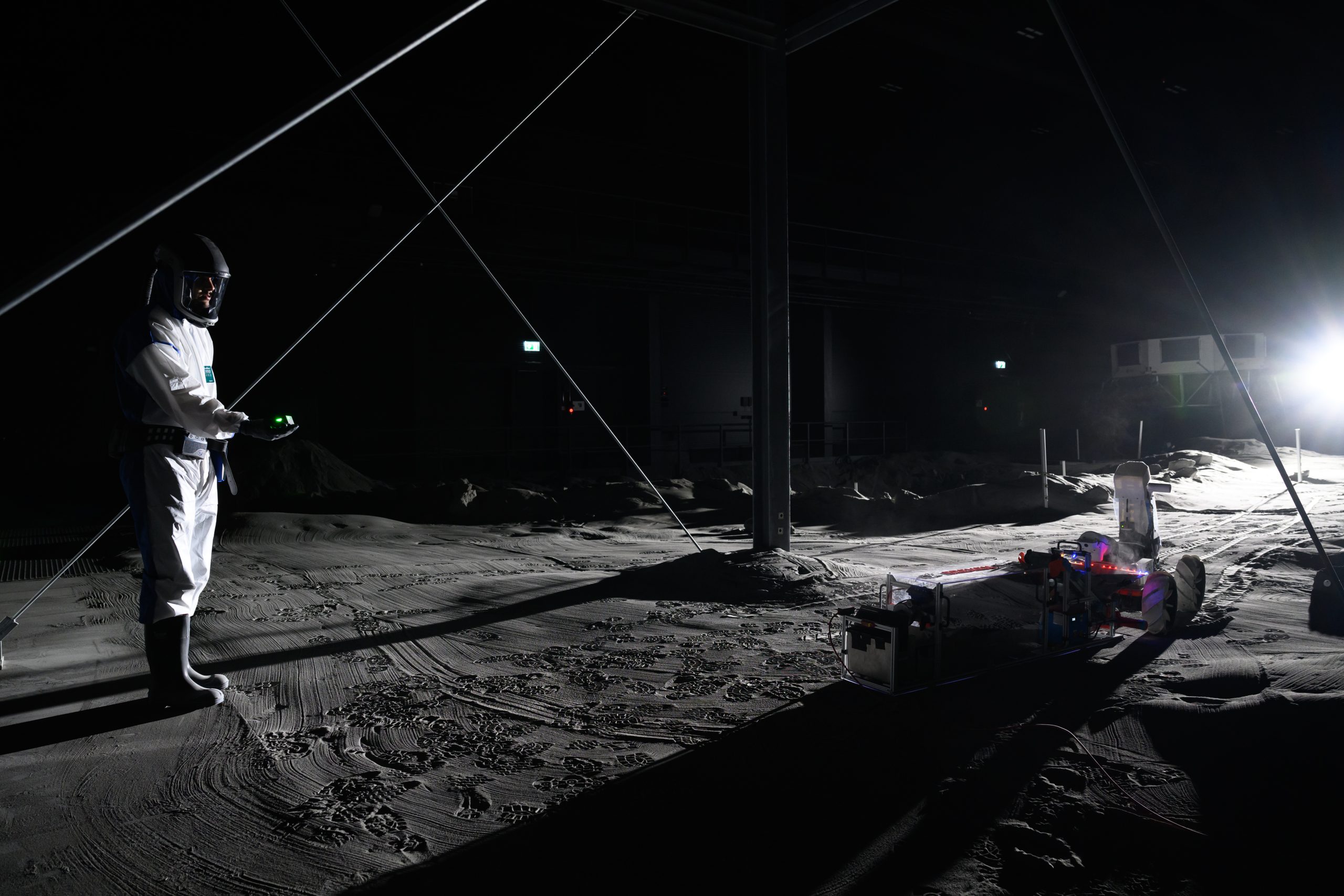
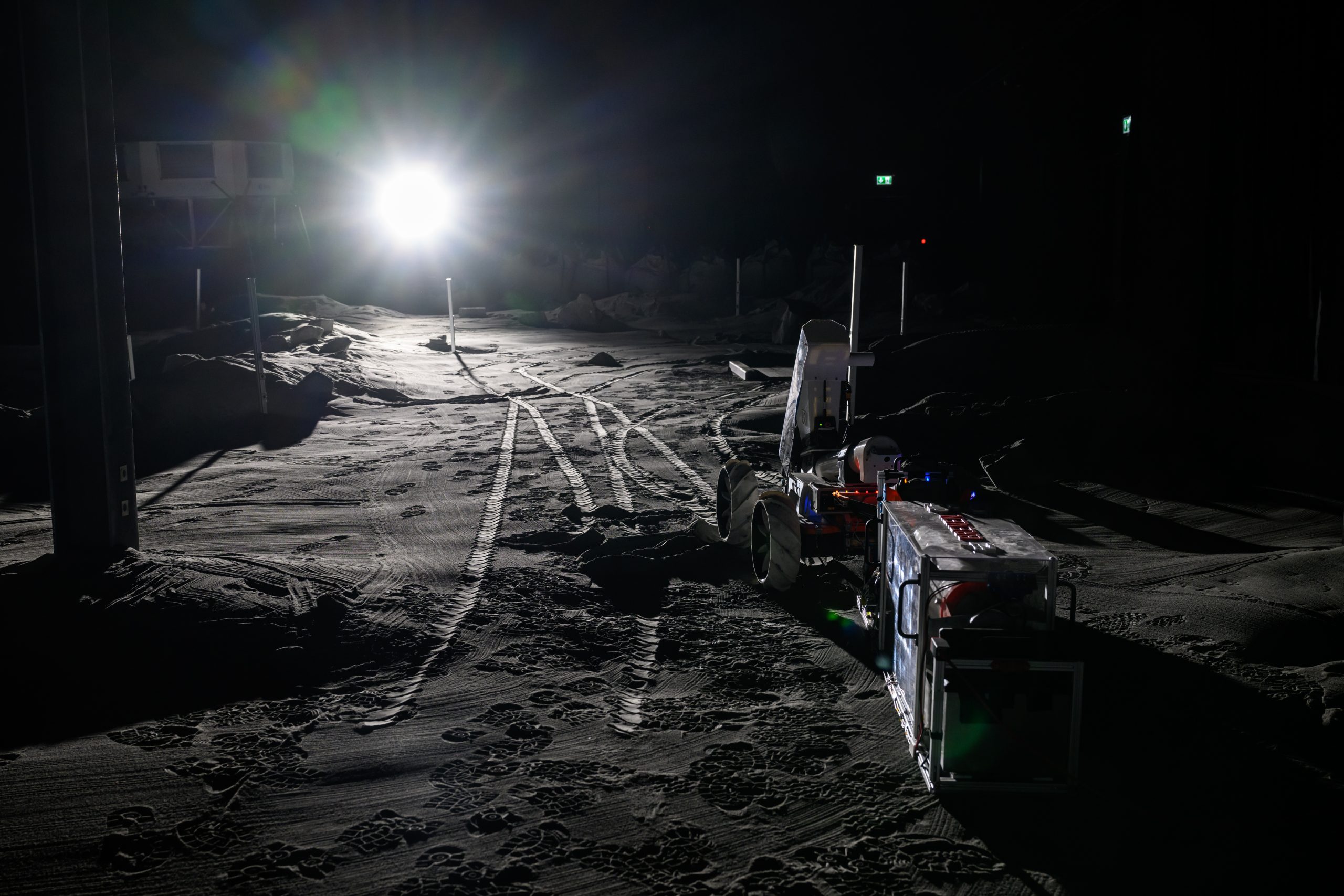
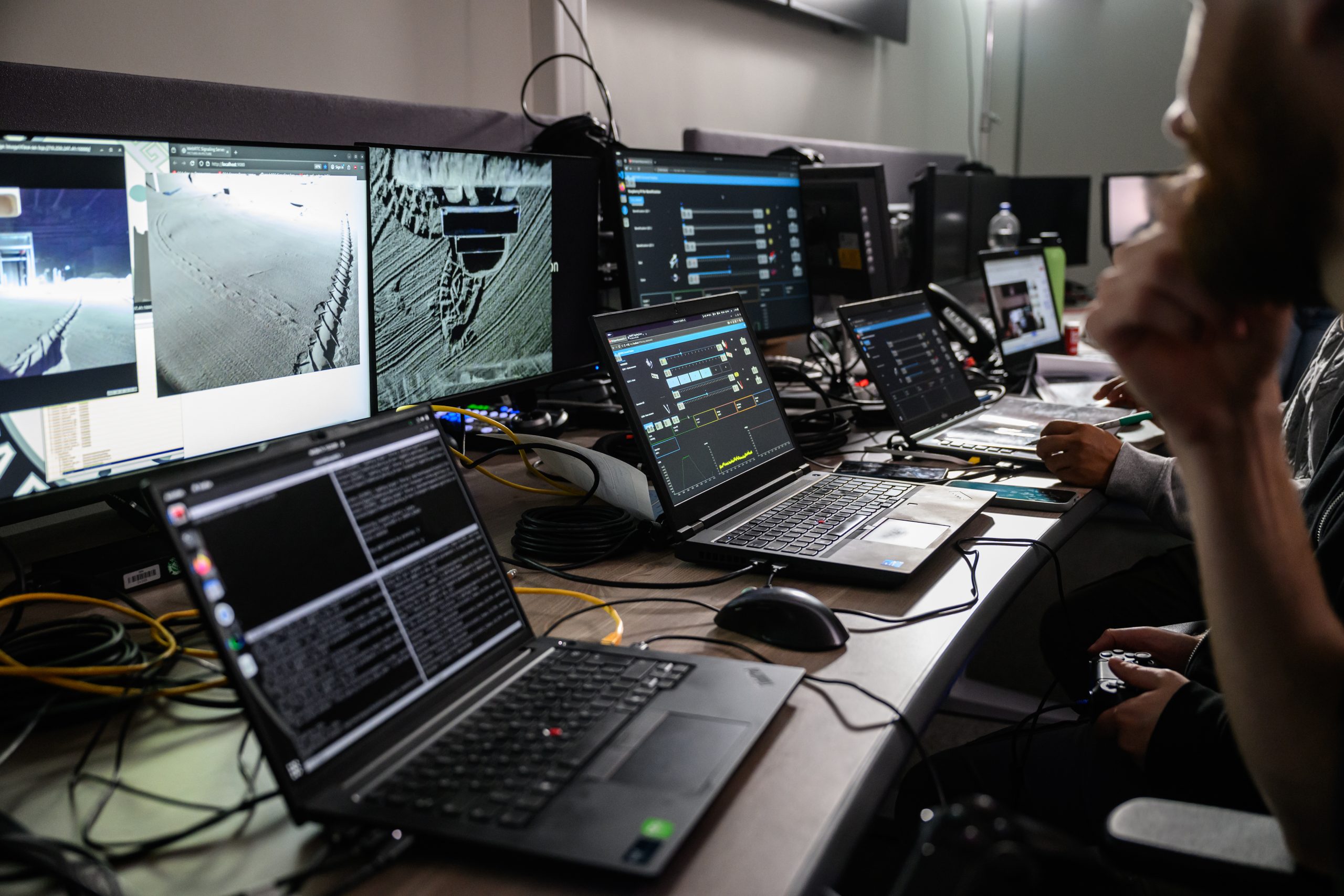
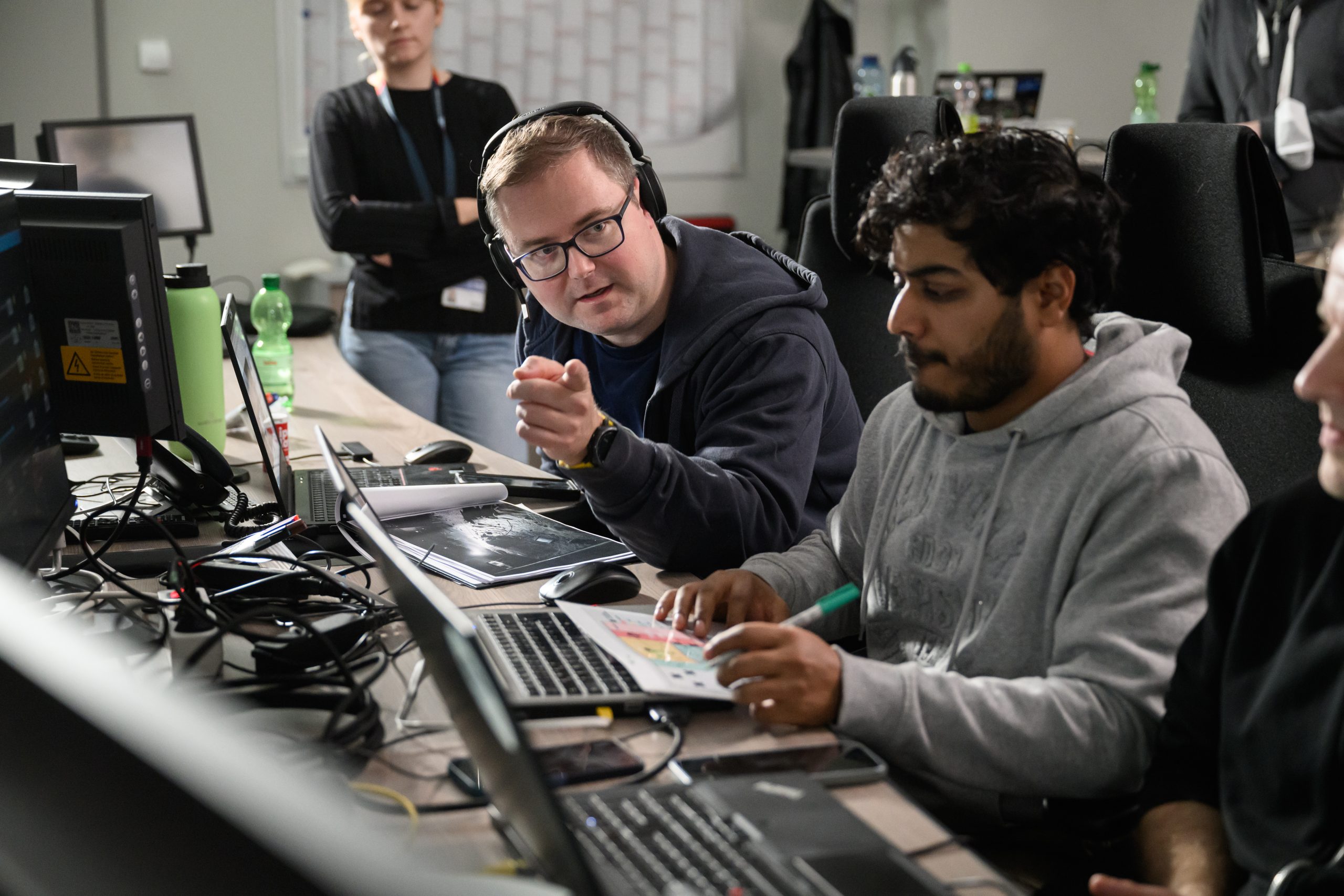
The competition, whose field test was hosted during October 2025 in ESA-DLR LUNA facility in Germany, was the culmination of months of work and experiments. During the final event, 8 teams were challenged to simulate a Moon mission scenario set in the 2040s, during which 8 astronauts live and operate for 30 days at the lunar South Pole, using autonomous systems to extract oxygen from lunar regolith. The teams and their robots had to dig, sort and operate independently, all in a lunar-like testbed. To read more: Second Space Resources Challenge: Highlights and Key Results

Second Space Resources Challenge: Highlights and Key Results
ESA is preparing for a future where human missions on the Moon rely on local resources instead of costly Earth-based supply chains. To achieve this, ESA and ESRIC launched the Space Resources Challenge in 2021 as part of a broader strategy to develop technologies for In-Situ Resource Utilisation (ISRU). These technologies will enable oxygen and metal production from lunar regolith, enabling life support, construction, and refuelling capabilities. By fostering competition and collaboration between industry, research, and academia, the initiative accelerates innovation and opens new commercial opportunities, while being a cornerstone of Europe’s vision for a sustainable lunar economy and its leadership in global space exploration.
About the Space Resources Challenge
Each edition of the Space Resources Challenge addresses a different ISRU segment. The first edition focused on prospecting lunar resources and identifying materials that could support future missions. The second edition focused on excavation and beneficiation: collecting lunar regolith and preparing it for oxygen extraction, a process critical for sustaining human presence and enabling industrial activity on the Moon.
The Space Resources Challenge fosters:
- Innovation: Filling critical gaps along the ISRU value chain.
- Collaboration: Connecting academia, industry, and research organisations.
- Acceleration: Advancing technology readiness for lunar missions.
- Commercial Growth: Kickstarting ventures in the emerging space resources market.
In this year’s edition, 8 teams from 6 countries were selected to participate in the demonstration phase:
- Team AGH Lunar Resources Initiative – AGH University of Krakow, SpaceTeam AGH, AGH Space Systems, CleverHive Space, PIAP Space, CBK PAN
- Team ASTROLITH – Polytechnique Montreal
- Team BREMEN – DLR, DFKI
- Team CRADLE – Amentum, The University of Manchester
- Team FZI DUST – Forschungszentrum Informatik
- Team Imperial Planetary Robotics Lab – IPRL
- Team LuMA – Maana Electric, SpaceR, Aalborg University
- Team TUBular – TU Berlin
To read more about the Space Resources Challenge: https://src.esa.int/

Mission Scenario
In the mission scenario set for the challenge’s second edition, it is the 2040s and operations to support long-term human missions on the Moon have begun. Astronauts stay for up to 30 days at the lunar South Pole, relying partly on resources produced locally. ISRU systems operate autonomously between missions, extracting oxygen from regolith and providing essential materials for breathing, shelter, and refuelling spacecraft.
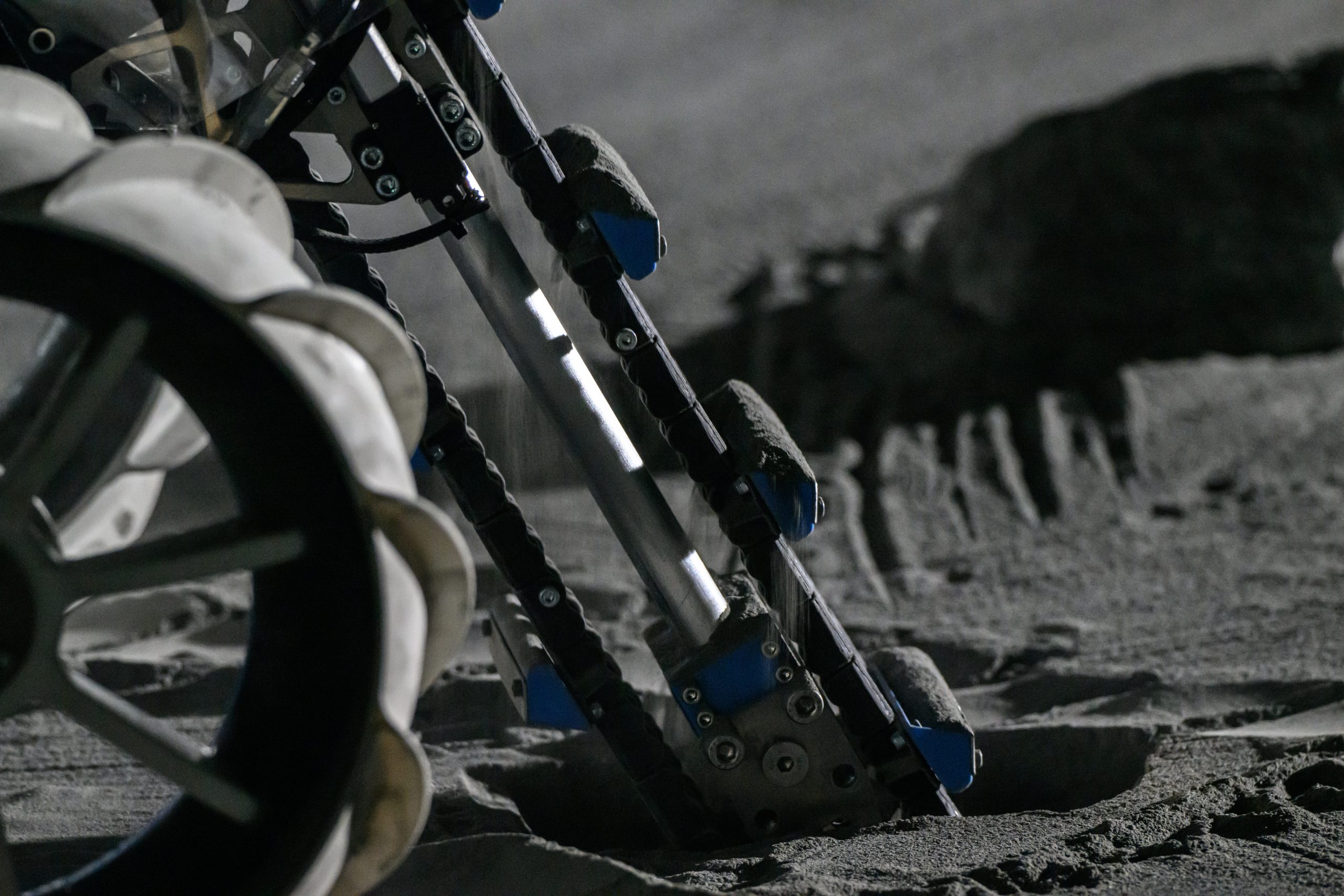
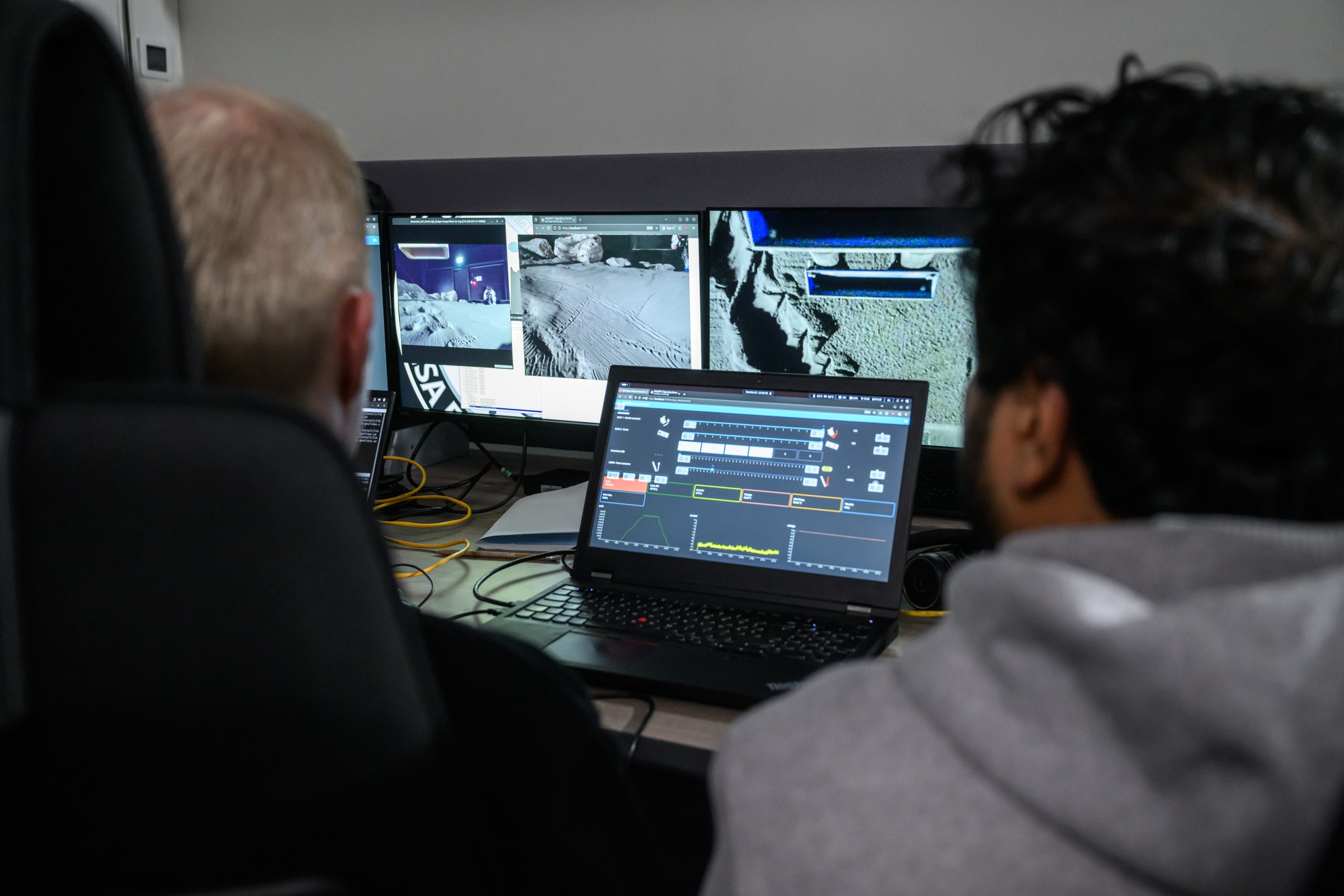
Teams were asked to design robotic systems capable of digging lunar soil simulant, sorting particles by size, and preparing feedstock for molten salt electrolysis – a method for extracting oxygen. The systems had to work in a realistic lunar-like environment and operate autonomously or via remote control. The goal was to produce enough oxygen to sustain eight astronauts for a month, demonstrating technologies that could one day support a commercially viable lunar economy.
The Winners
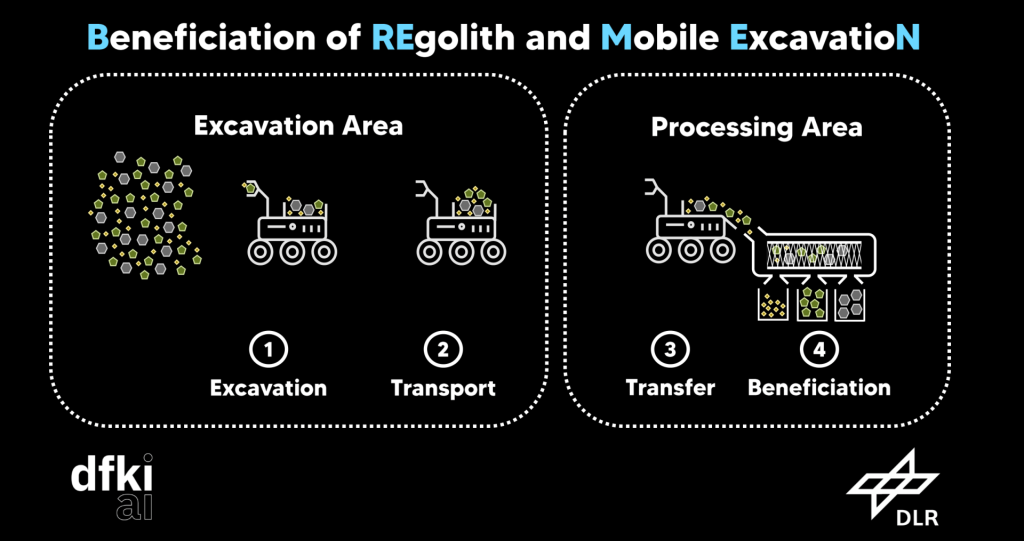
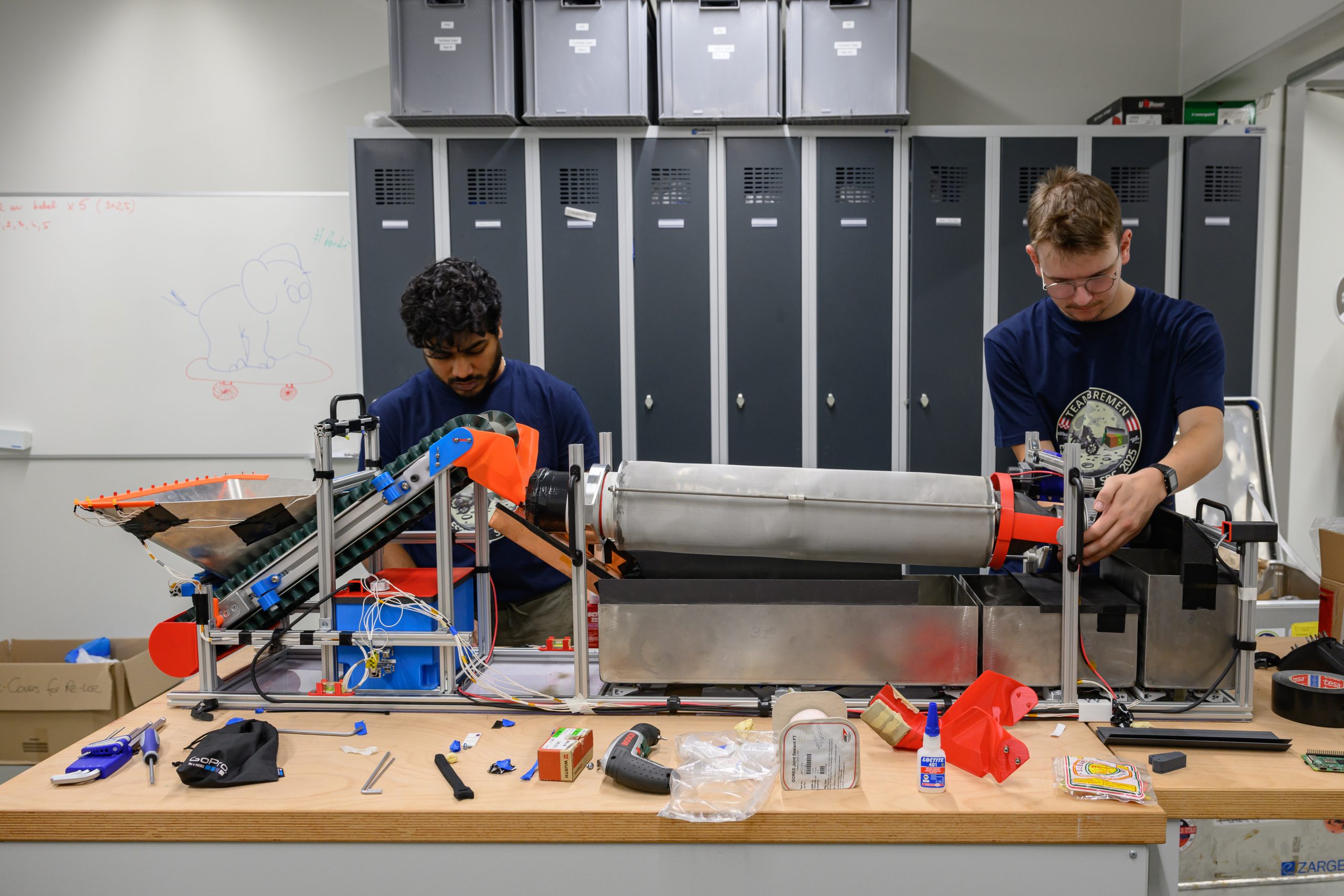
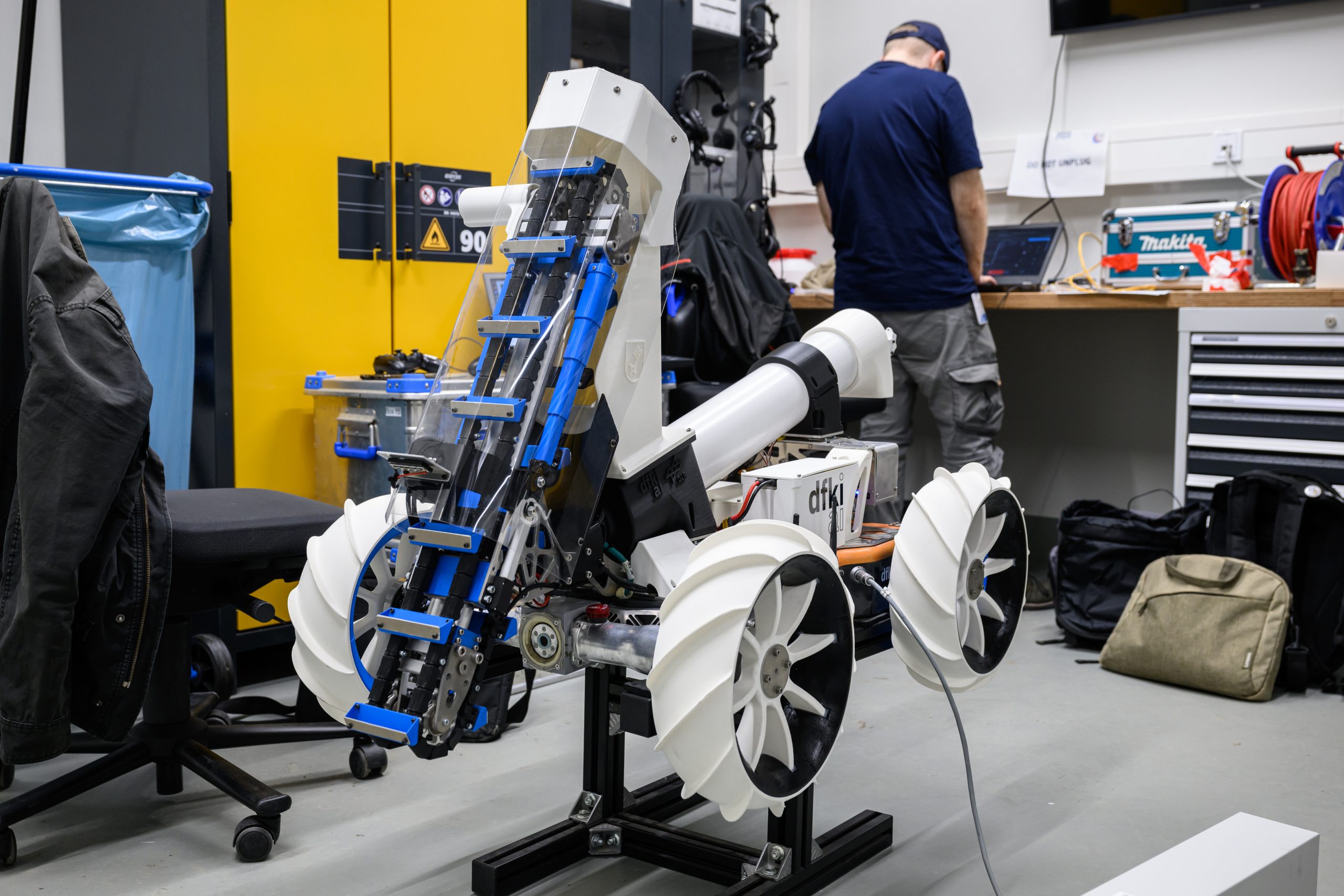
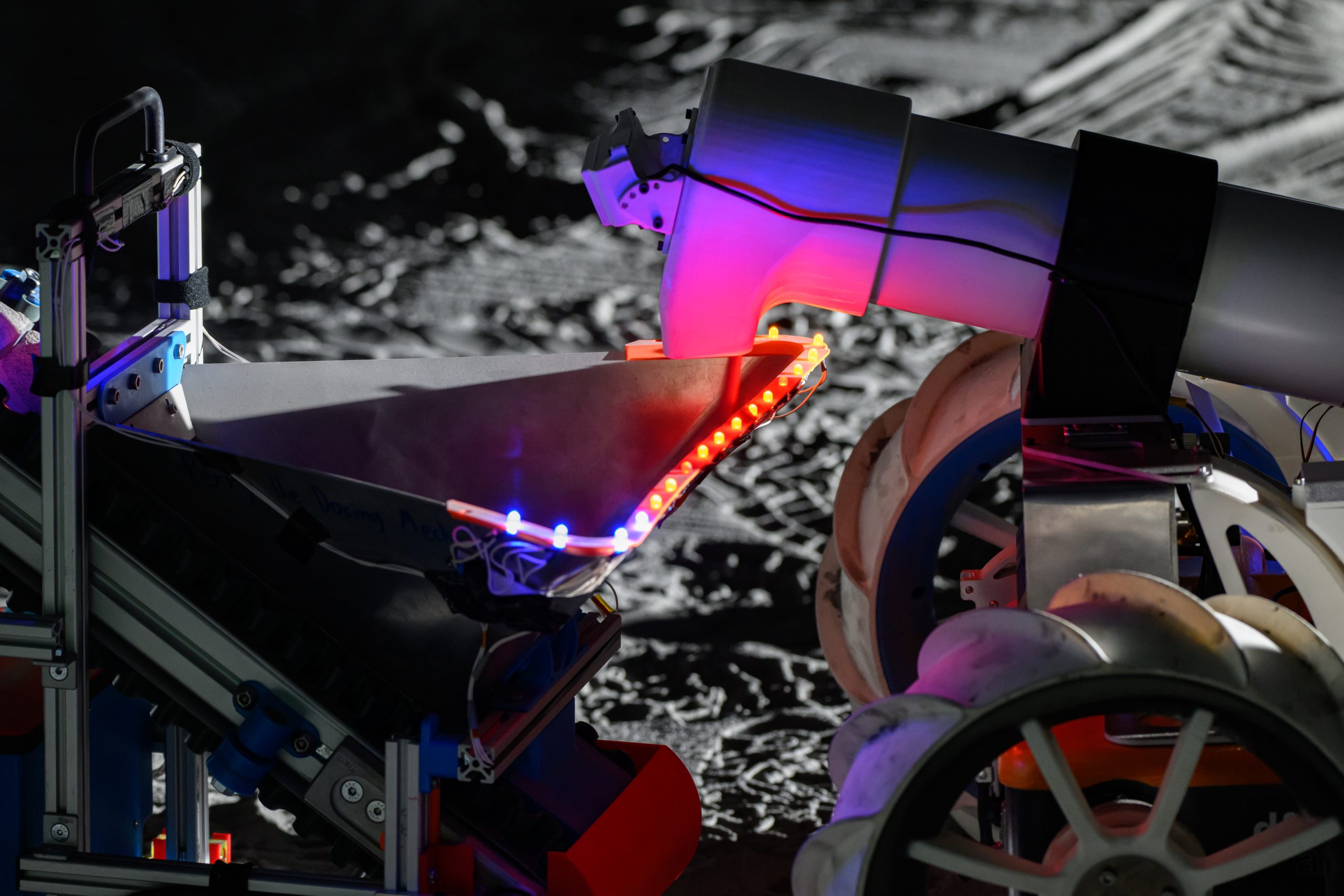
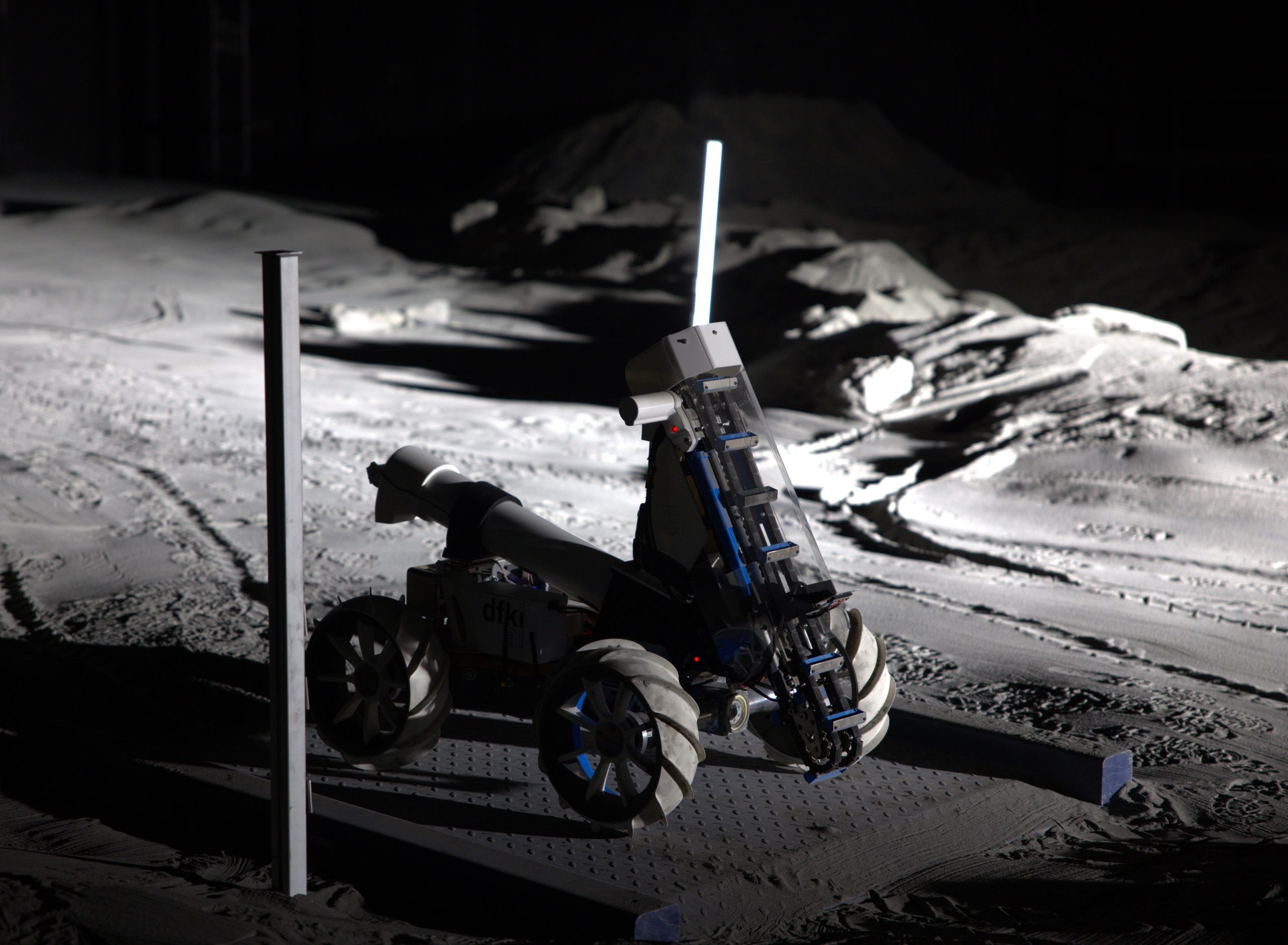
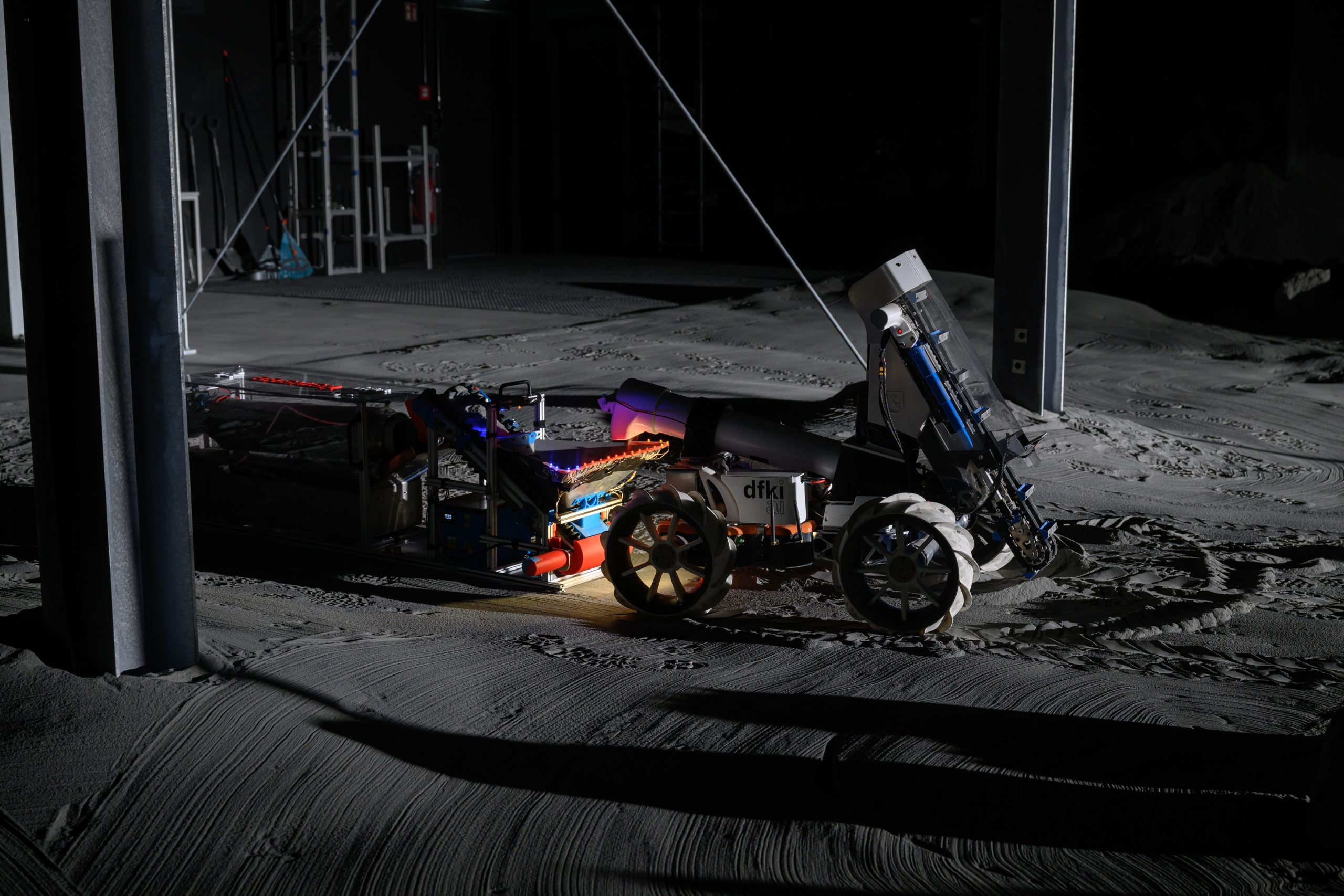
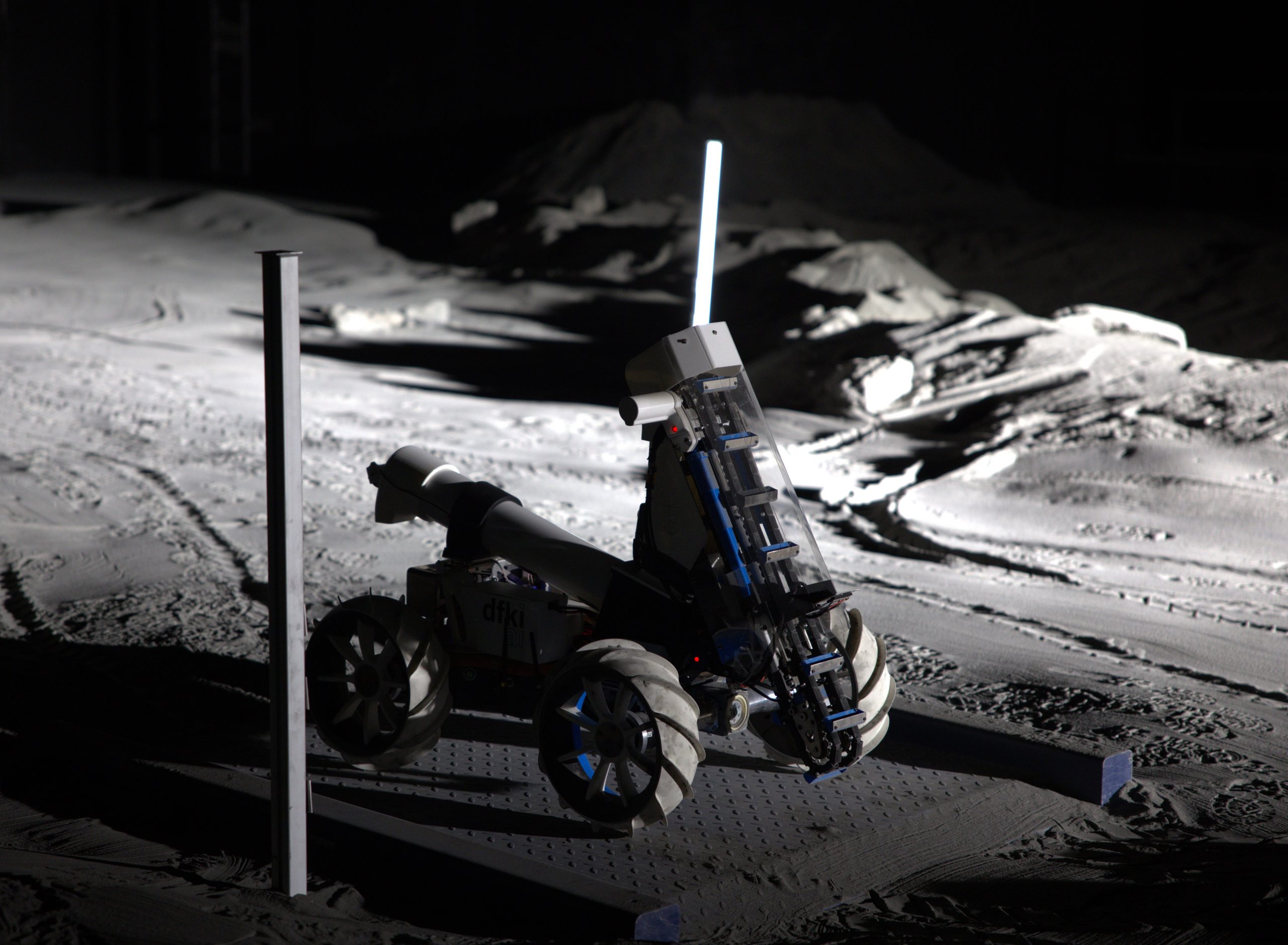
Team BREMEN, based in Europe’s “City of Space”, impressed with a solution that blends innovation and scalability. Combining expertise from DLR, German Research Center for Artificial Intelligence (DFKI), and the University of Bremen, the team developed a modular architecture integrating a mobile rover for excavation with a stationary beneficiation system for size sorting. This approach reduces weight and power requirements while enabling long-term, scalable lunar operations.
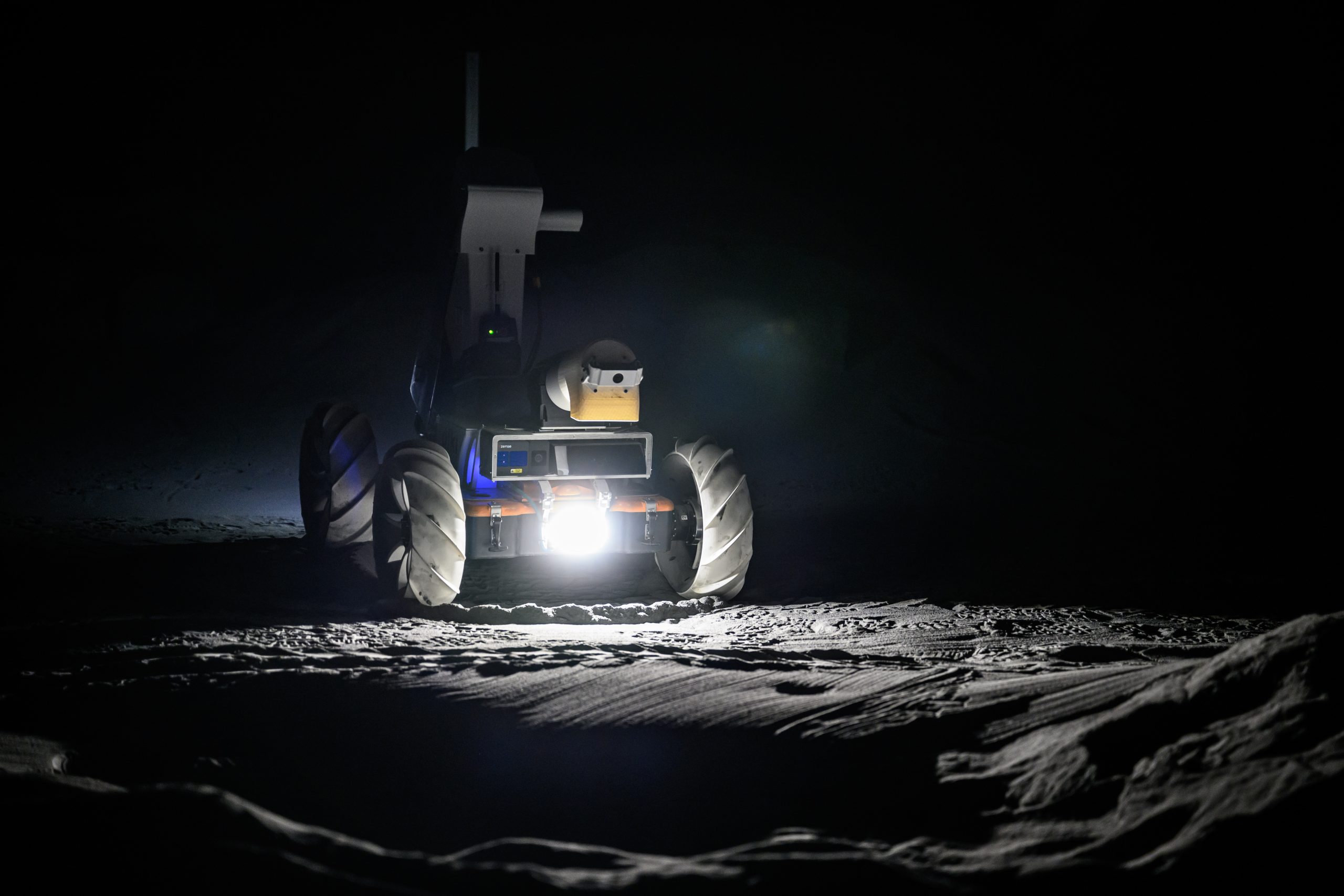
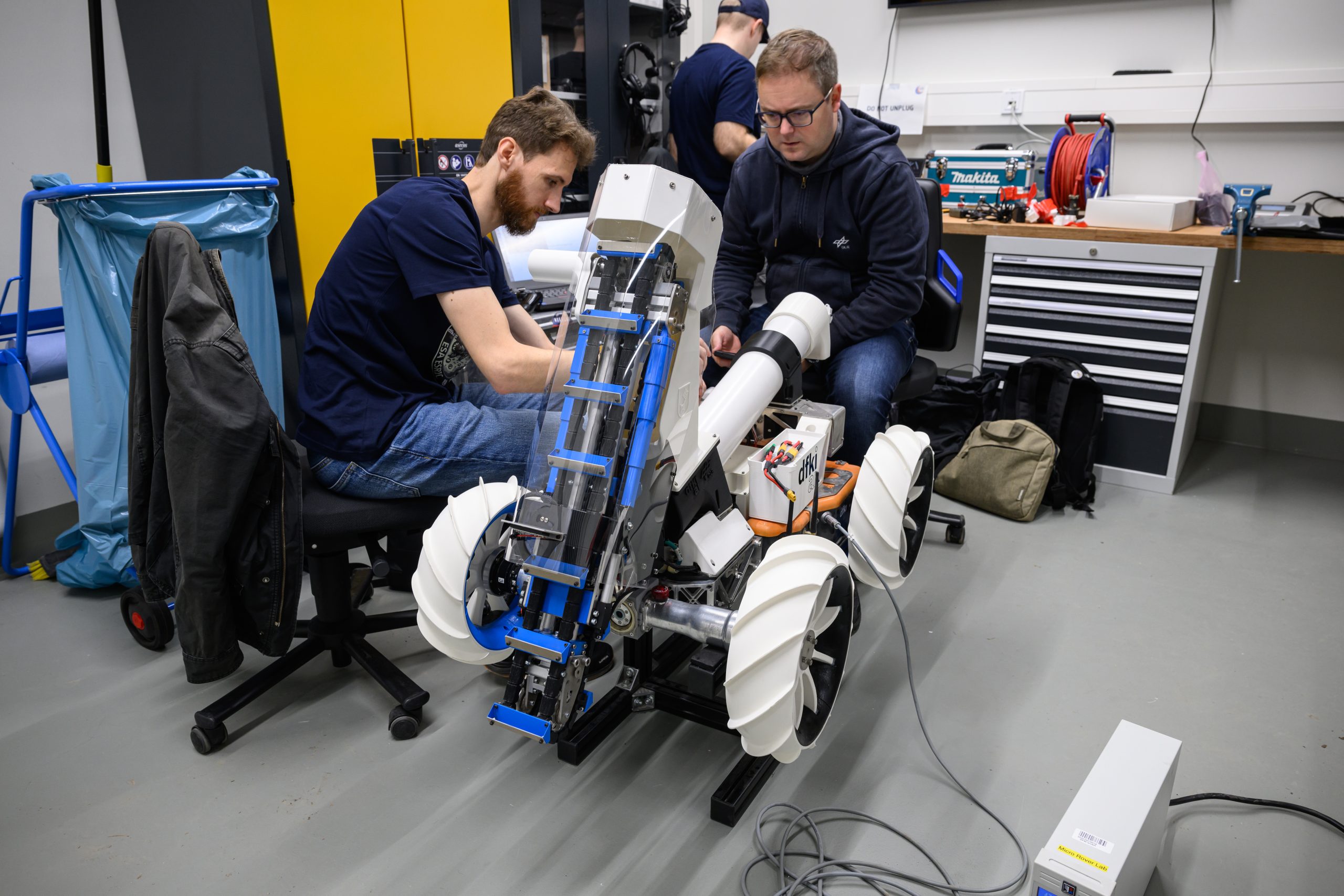
At the heart of the system is Coyote III, a hybrid-wheeled rover designed for unstructured terrain and teleoperation. Its standardized interface supports modular payloads, including excavation tools. Inspired by ISRU-driven missions like Chandrayaan-3 and commercial lander-rover systems such as ispace’s M2, Team BREMEN’s concept aligns with the evolving lunar market, paving the way for sustainable resource utilization beyond Earth.
The winning solution was selected based on the team’s excellent performance during the field test, where they ranked highest overall across the different evaluation criteria. The field test score was not the only factor: teams also submitted proposals, in which they again performed very well. By combining the scores from the field test and the proposals, Team BREMEN was selected as the winner of the ESA prize.
ESA will award team BREMEN with a €500,000 development contract for a feasibility study, accelerating their concept toward deployment on future lunar missions.