Innovate beyond Earth - Meet the Second Cohort of ESA's Life Science Accelerator
Following the 2nd Call of the BSGN Life Science Industry Accelerator in April 2025, one ground-breaking project has been selected for acceleration and deployment in orbit: MyrSpaceCardio.
Selected from a competitive pool of 22 applications across 12 ESA Member States, this project aim to develop commercial solutions for Earth by boosting their R&D through the unique properties of the space environment. During the Acceleration phase, The Business in Space Growth Network (BSGN) ,an ESA's initiative designed to drive the growth of new economic markets in Low Earth Orbit and on the Moon, in collaboration with the Life Science Accelerator managing partner, MEDES (Institute for Space Medicine and Physiology), will support the consortiums of this second cohort in refining technical and commercial plans, preparing the selected project for implementation and deployment in orbit.
About MyrSpaceCardio
A Next-Generation Cardiac Assay Platform Powered by Microgravity
Lead Entity: Myriamed (SME, Germany)
Consortium Partners: KIST Europe (Germany), Exobiosphere (Luxembourg)
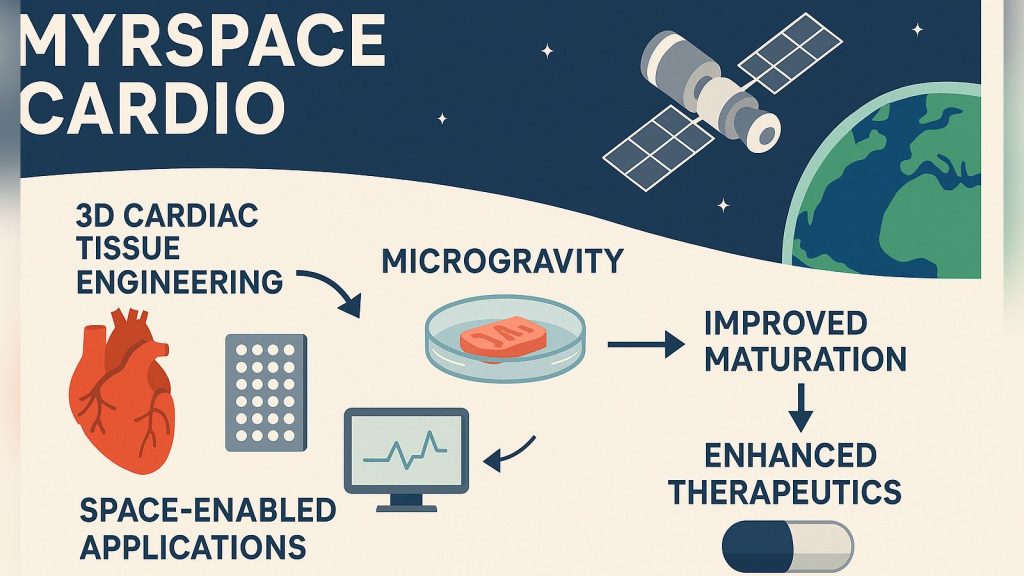
MyrSpaceCardio aims to adapt myriamed’s engineered heart muscle screening platforms into a high-throughput system optimized for microgravity. By performing tissue-engineering experiments in space, the project enhances the physiological relevance of lab-grown cardiac tissues and brings them closer to true human biology. Removing gravitational constraints is expected to promote more robust tissue assembly, advanced metabolic maturation, and improved functional performance, which will be assessed through in-flight imaging and post-flight multi-omics analyses. This mission will validate the first scalable, space-enabled cardiac tissue screening platform, generating models that more faithfully reflect human cardiac responses and enabling advanced drug development, in-orbit screening, and personalized space medicine.



What comes next?
Throughout the acceleration journey, the selected project's lead will benefit from a dedicated 1-to-1 relationship with MEDES, gaining access to tailored support across all stages - from business maturation to the design of spaceflight experiments. This ensures both technical and commercial readiness for their missions.
Key advantages for the selected project include:
- • Expert guidance in navigating the complex space ecosystem, fostering connections with key stakeholders and resources.
- • Assistance to refine private funding strategy beyond ESA support, while project leads retain final responsibility.
- • Hands-on support in preparing documentation for ESA’s co-funding tools, simplifying the application process.
- • Enhanced visibility and promotional support to amplify project exposure within the space and life sciences industries.
This initiative underscores the commitment of the BSGN Industry Accelerator to propel innovation in life sciences, fostering collaboration and accelerating the journey from concept to orbit.
More information
About MEDES
MEDES is the French Institute for Space Medicine and Physiology. It was created in 1989 by the French Space Agency, CNES and Toulouse University Hospitals. Its activities are focused on support for space missions, clinical research (with a unique research infrastructure: the space clinic) and innovations between space and health. MEDES has more than 35 years of experience for crew health maintenance for human spaceflights, operational support for research in life sciences in space, in addition to a strong expertise in clinical research and on innovative projects for health applications.
About ESA
The European Space Agency (ESA) provides Europe’s gateway to space. ESA is an intergovernmental organisation, created in 1975, with the mission to shape the development of Europe’s space capability and ensure that investment in space delivers benefits to the citizens of Europe and the world. By coordinating the financial and intellectual resources of its members, ESA can undertake programmes and activities far beyond the scope of any single European country. It is working in particular with the EU on implementing the Galileo and Copernicus programmes as well as with Eumetsat for the development of meteorological missions.
About BSGN Life Science Industry Accelerator
The BSGN Industry Accelerators are part of an ESA initiative designed to drive the growth of new economic markets in Low Earth Orbit and on the Moon. These accelerators facilitate collaboration with key industry players, attract new market entrants, and support the development of commercially viable business models based on space research. Operating under a public-private co-funding model, the BSGN Life Science Industry Accelerator is managed by ESA’s Industrial Partner MEDES. It focuses on leveraging microgravity for cutting-edge research in biotechnologies, pharmaceuticals and cosmetics, helping companies find the right partners and funding tools to turn their innovations into reality.

HRE Industry Workshop - Automated LEO Platforms for R&D and Manufacturing
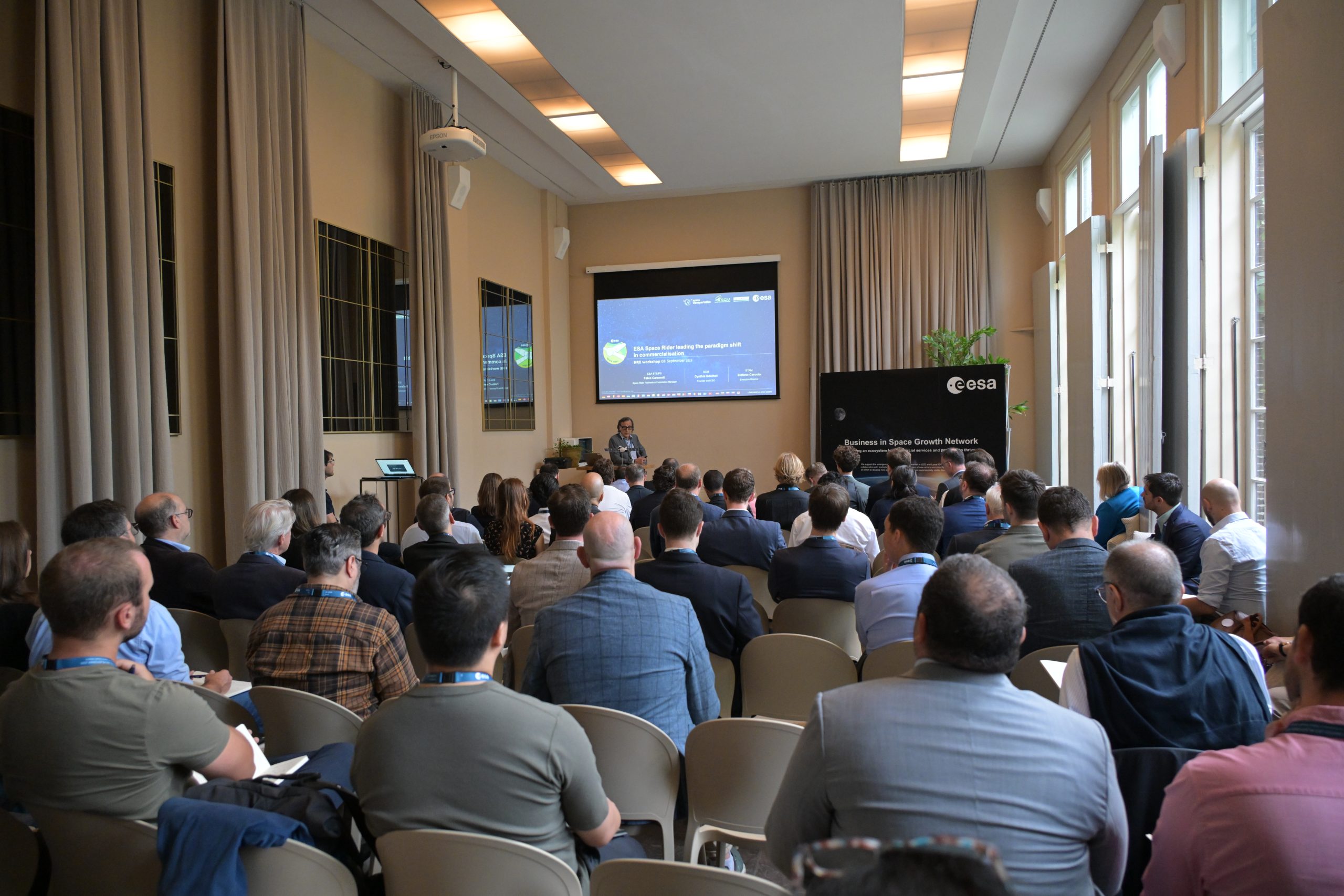
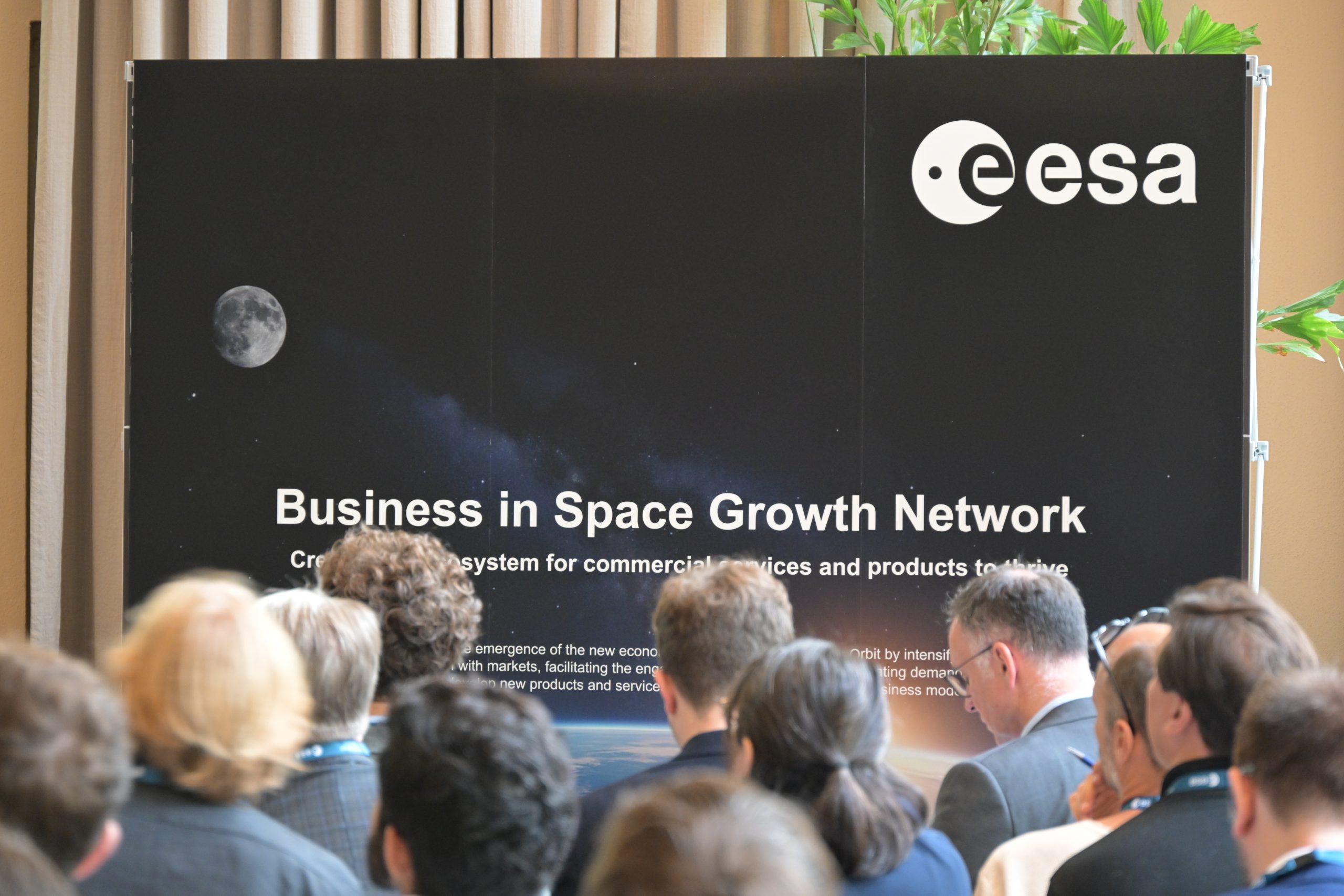
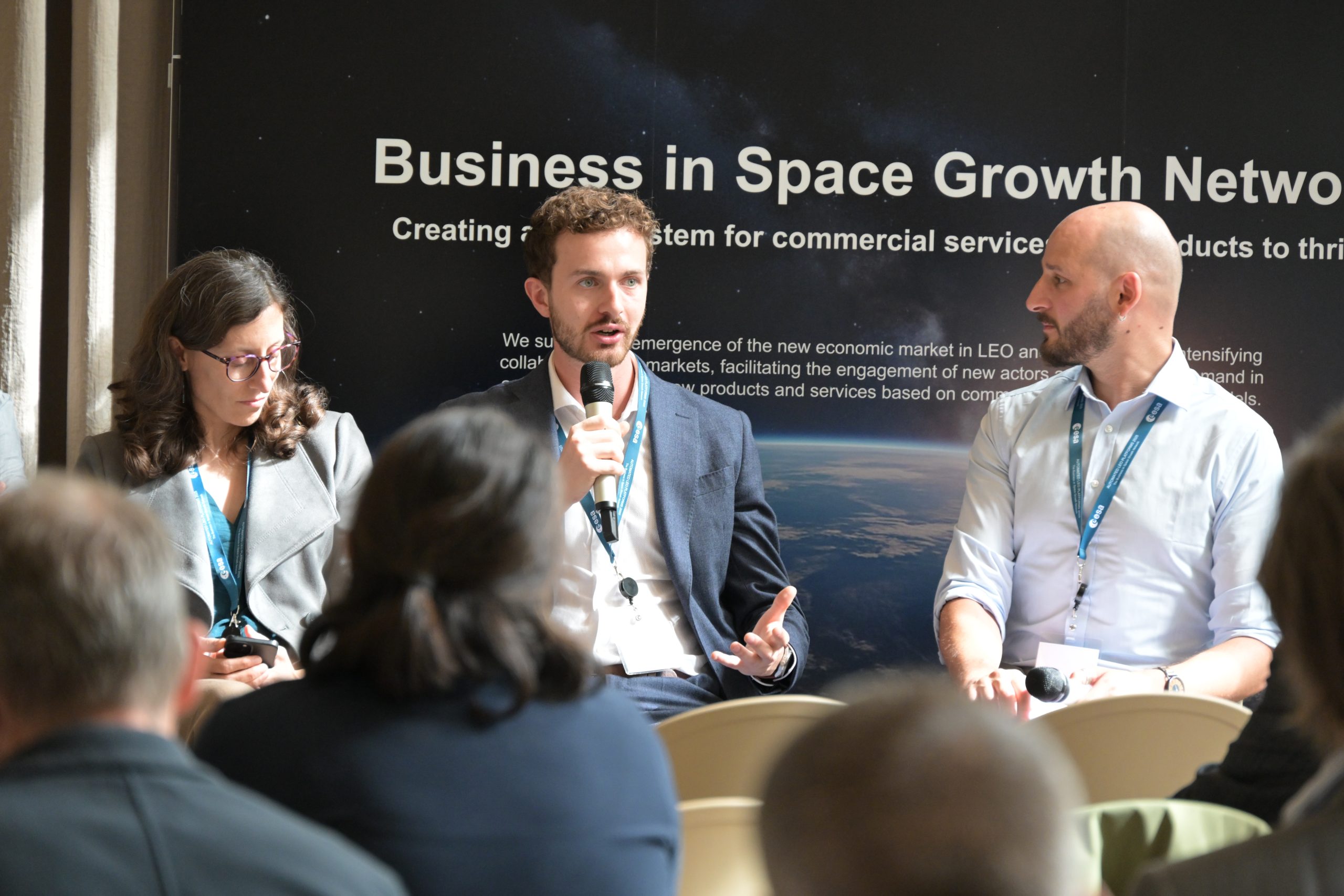
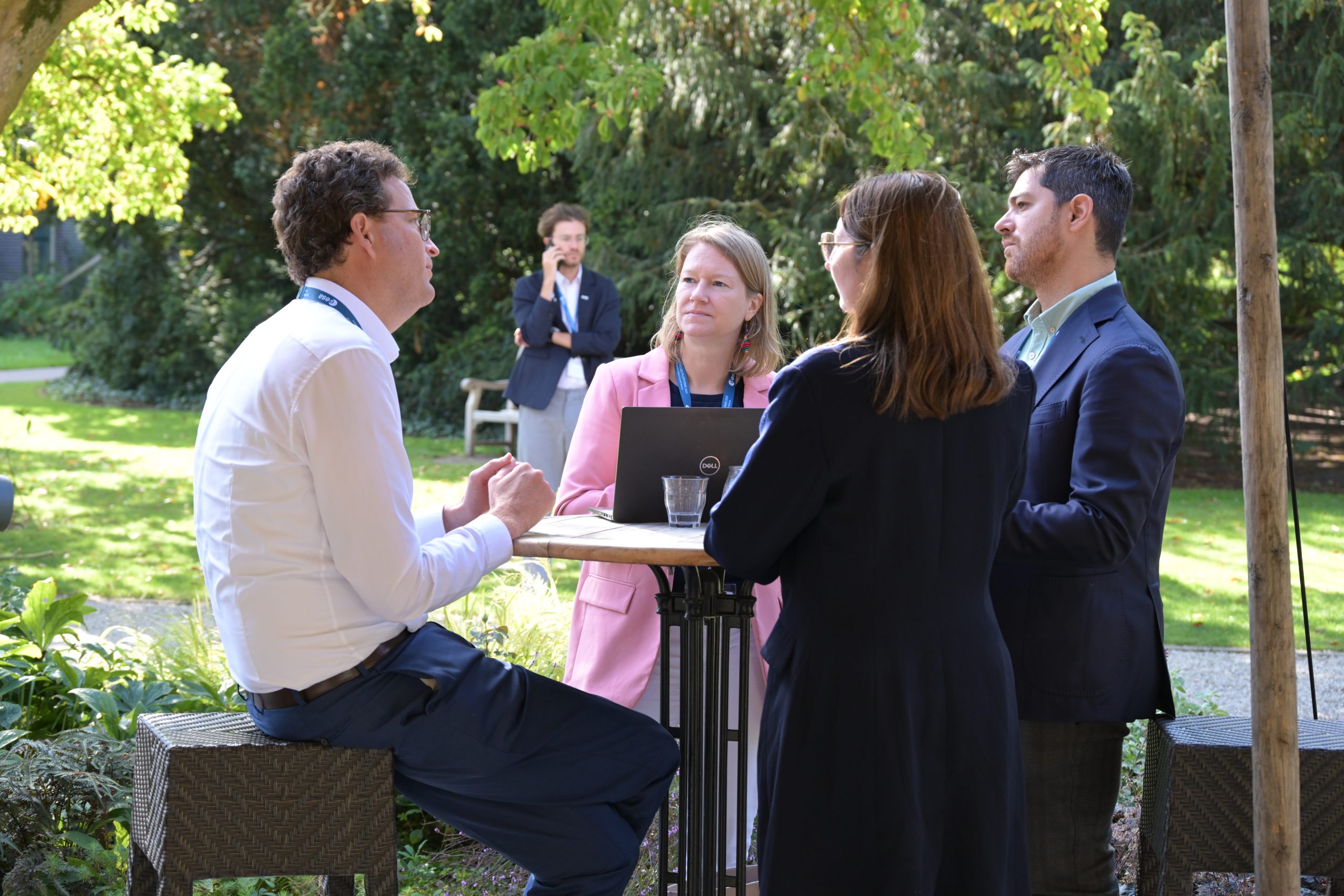
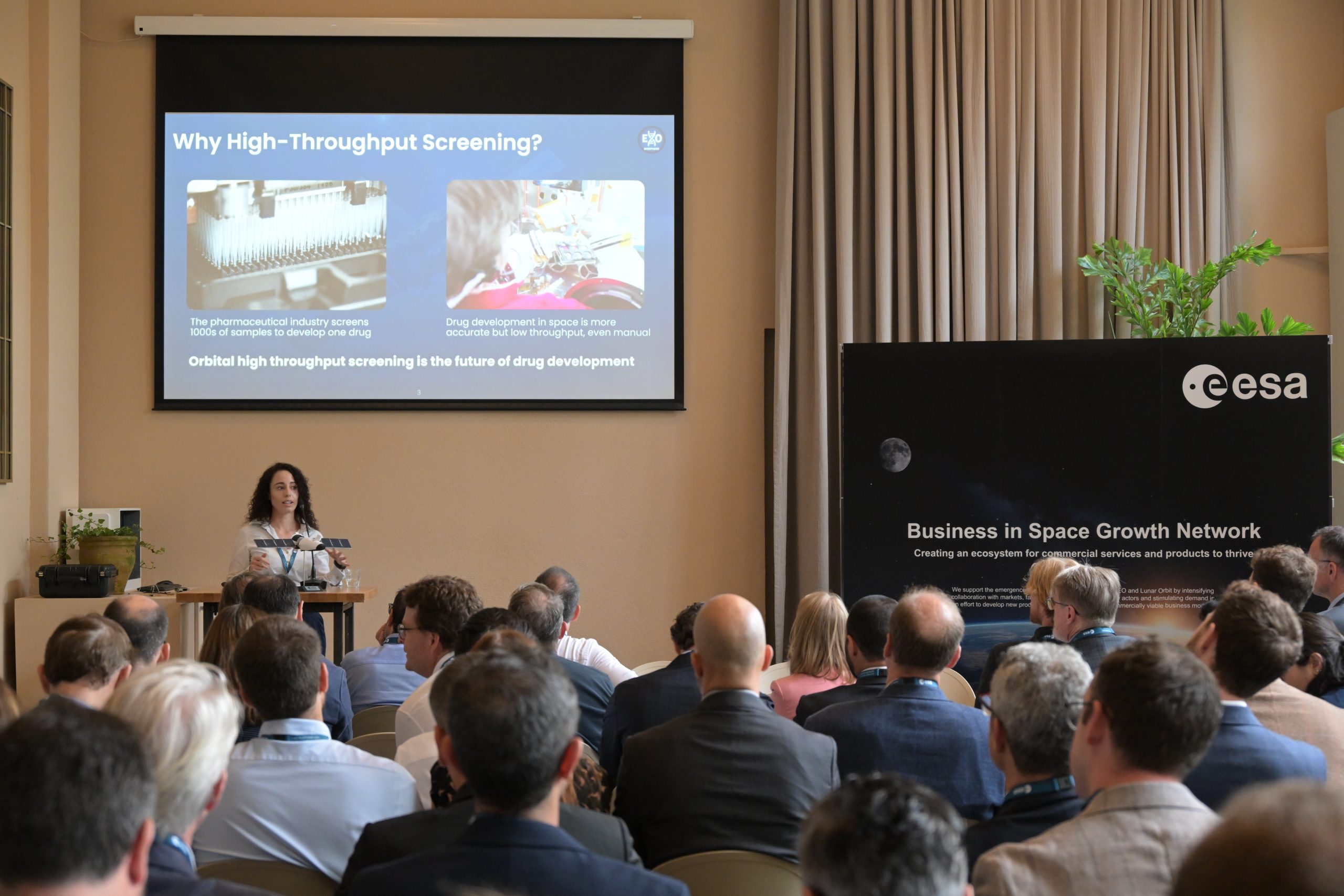
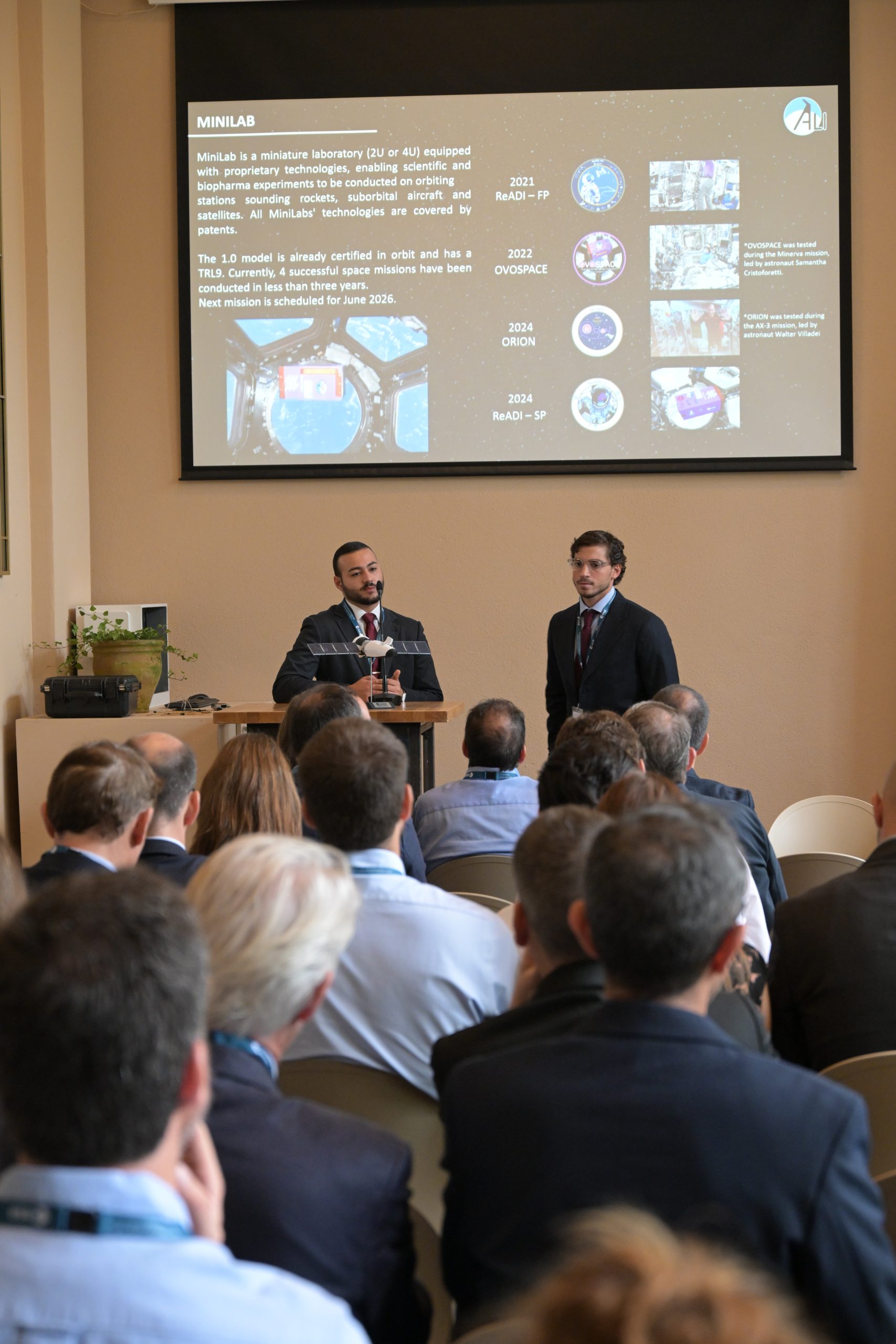
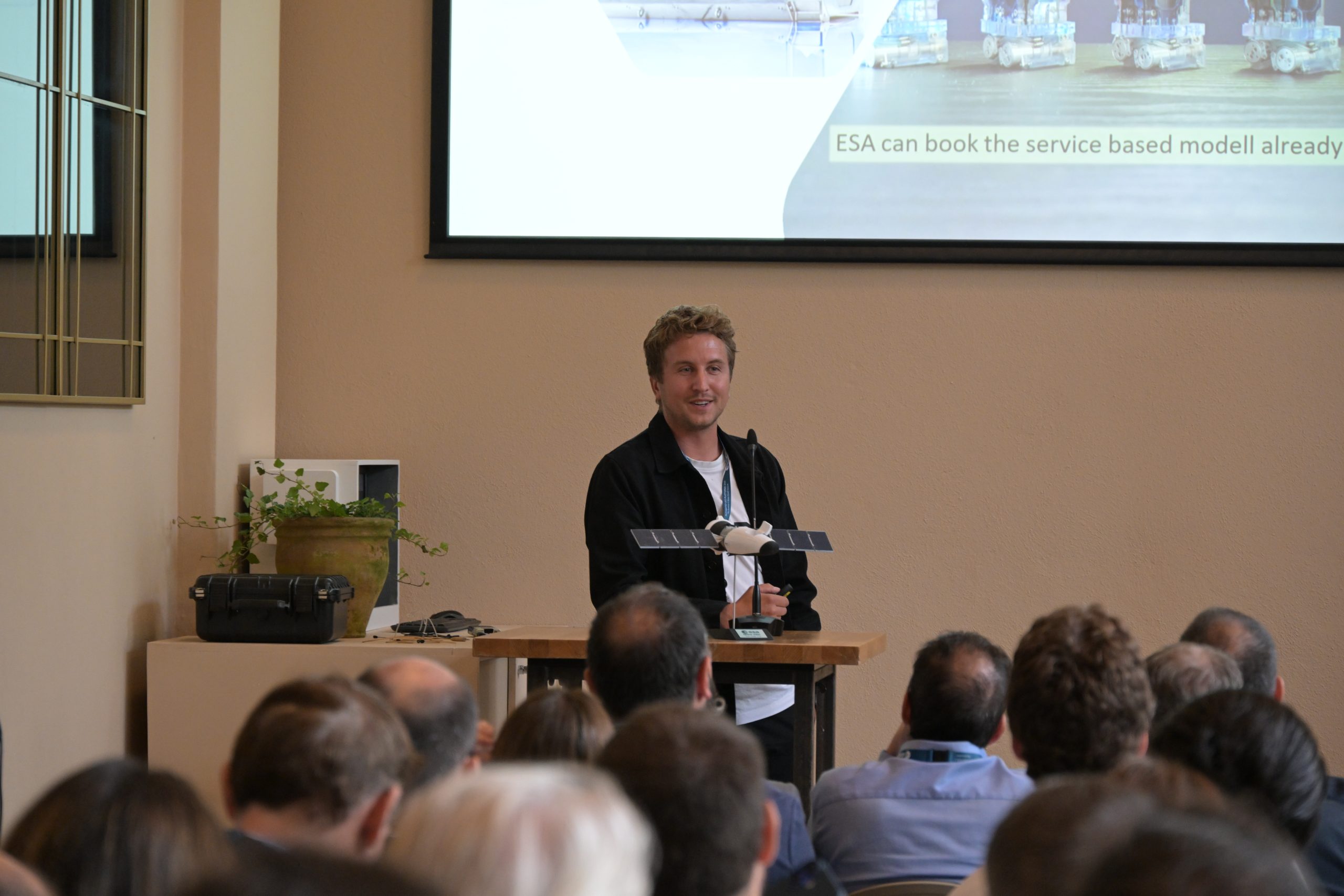
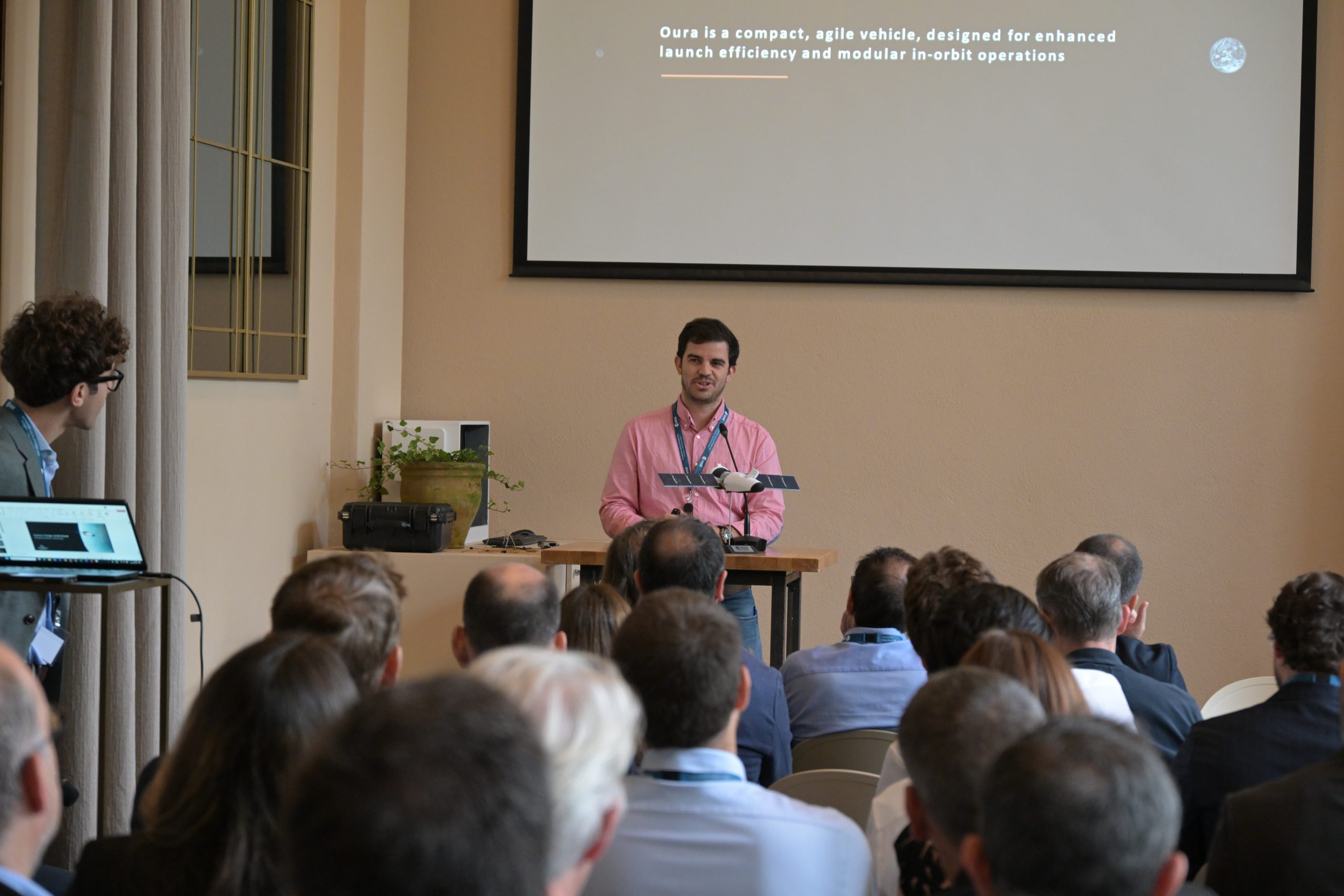
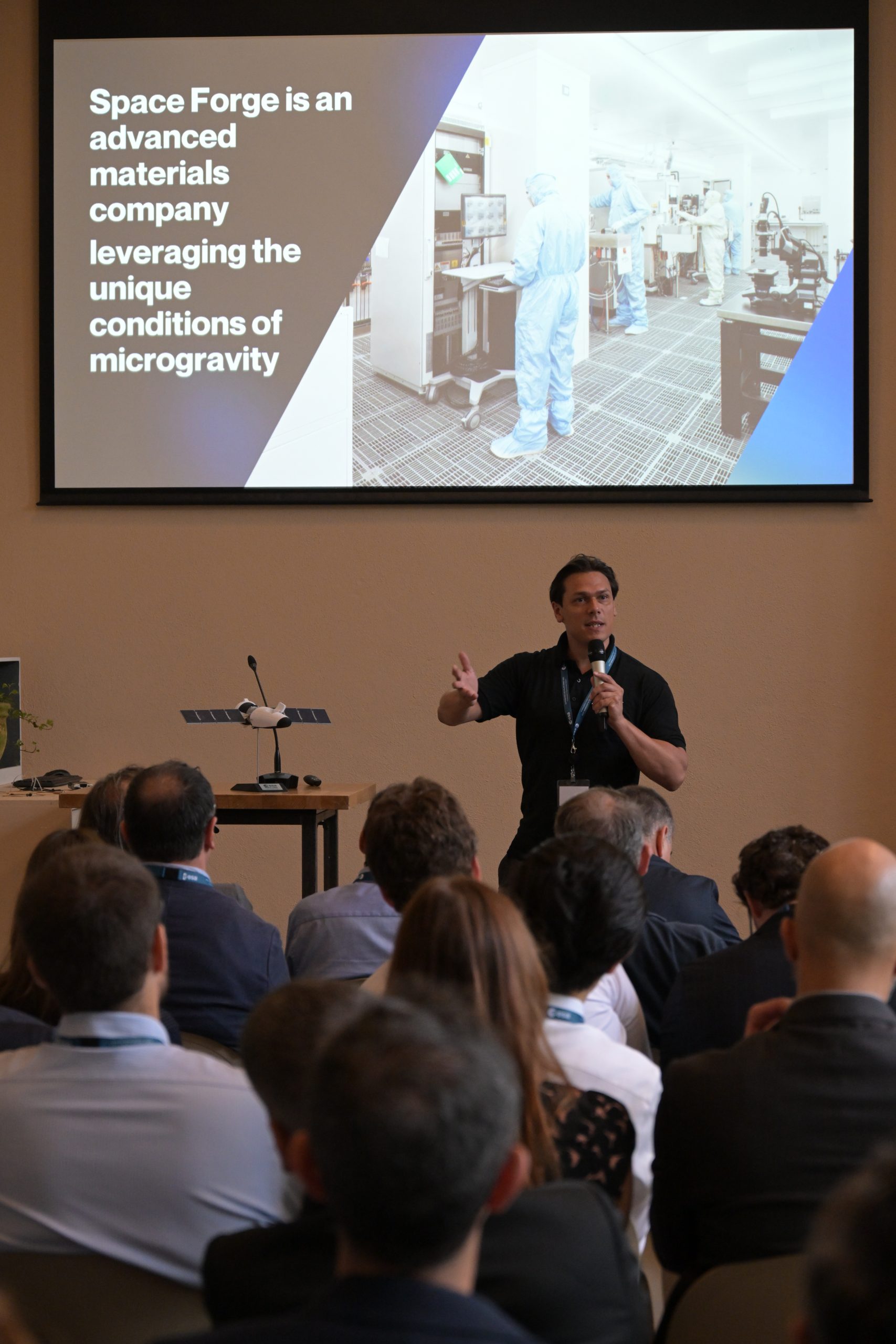
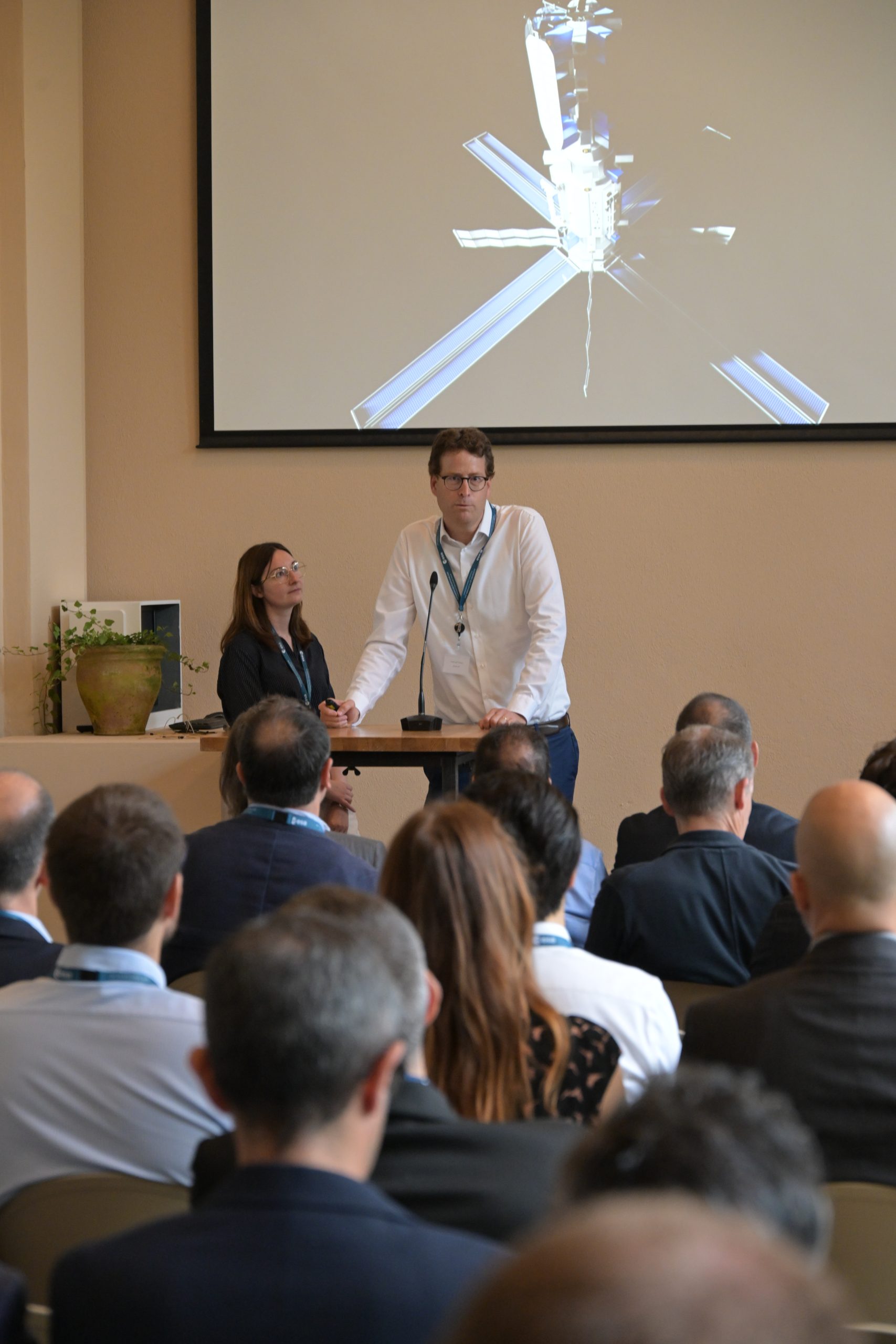
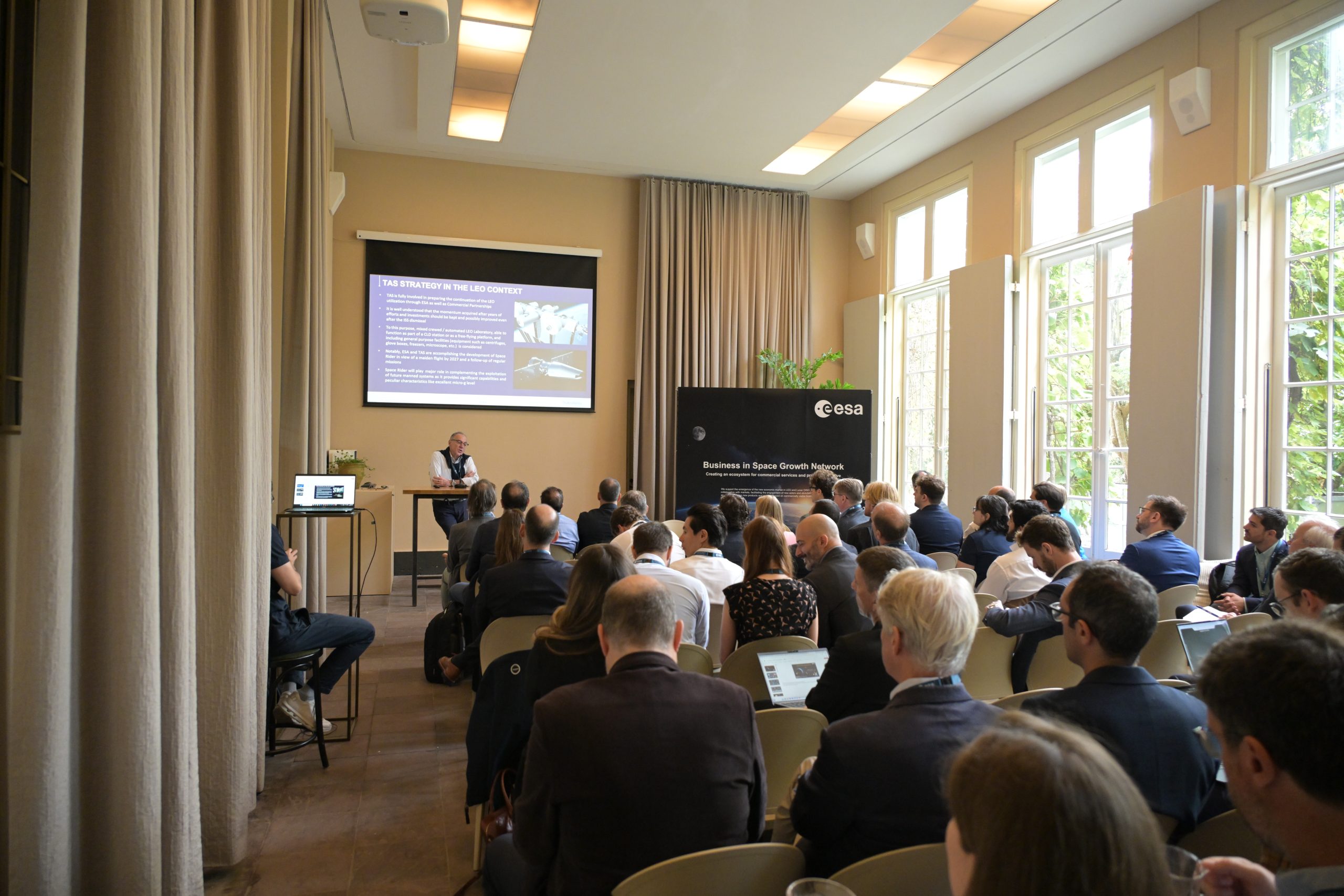
On September 8th 2025, ESA hosted an industry workshop on automated LEO platforms (ALP) for R&D and manufacturing in space. The workshop was held in Hortus Botanicus, Leiden (Netherlands). The workshop brought together ESA teams, LEO commercial service providers, payload hardware developers, terrestrial industry users, investors and consulting services, to examine how a new class of automated, rapidly recoverable, free-flying platforms can accelerate microgravity research and foster commercial activity.
Automated platforms promise higher cadence, tailored environments and lower operational overhead for specific use cases in market segments such as life sciences, advanced materials, in-space manufacturing, and agri-food.
Purpose and Scope
The workshop was focused on the role of automated LEO platforms (ALP) in Europe’s emerging space ecosystem. The sessions held during the workshop were impact-driven, assessing how ALP can contribute to scientific, technological and commercial objectives. Its objective was to bring together ESA teams, industry, investors and end users in a structured dialogue.
From a technical perspective, the workshop aimed to identify both commercial opportunities and challenges, while also examining the end-to-end processes required for such platforms, from experiment design and payload integration, through launch and operations, to data and sample return.
From a strategic perspective, the workshop aimed to clarify the importance of automated platforms within ESA’s long-term roadmap, including the post-ISS era and future exploration goals, while also addressing interoperability requirements and standardization needs to ensure smoother integration of payloads and services across different providers.
Audience Overview
- Platform Service Providers: Firms that design, build and operate automated LEO platforms/free-flyers (and related return capsules or ISS-hosted platforms). They provide the vehicle and mission services: payload hosting, power/thermal/data, safety qualification, integration, launch/operations/re-entry, and sample/data return.
- Payload Service Providers: Firms that develop experiment facilities and payloads (e.g., bioreactors, crystallization modules and broader laboratories) and often deliver experiment-as-a-service: study design, qualification, biosafety, integration with platforms, on-orbit ops support, and post-flight analysis—bridging end users to flight.
- Institutional: Space agencies and public entities, representing different ESA directorates, national agencies, and European Commission, that set strategy, fund and de-risk capabilities, steward standards/safety, enable access to orbit and procure or co-fund services to advance science, policy and European competitiveness.
- Investor/Consulting Services: Venture capital investors and advisory/consulting firms that provide capital, due diligence, market and technical assessments, strategy, and risk advisory. They evaluate business models, regulatory pathways, and scale-up economics to inform funding and partnerships.
- BSGN Industry Accelerators: ESA’s Business in Space Growth Network Industry Accelerators’ Managing Partners that scout for high-commercial potential projects, broker demand, mentor companies, provide support and matchmake between end users, payload developers, and platforms – aiming to convert terrestrial R&D needs into flight campaigns. The BSGN Accelerators involved were MEDES (Life Science) and the Satellite Application Catapult (Advanced Materials and In-Space Manufacturing).
- End Users: Companies from terrestrial markets involved or attracted to make use of microgravity to advance their commercial R&D activities and outcomes (pharma/biotech, advanced materials, semiconductors, chemicals, research institutions). They define use cases and requirements, seek validated data/samples/processes, purchasing services from payload and platform providers.
Sessions Summaries
First Session – ESA Programmatic Alignment
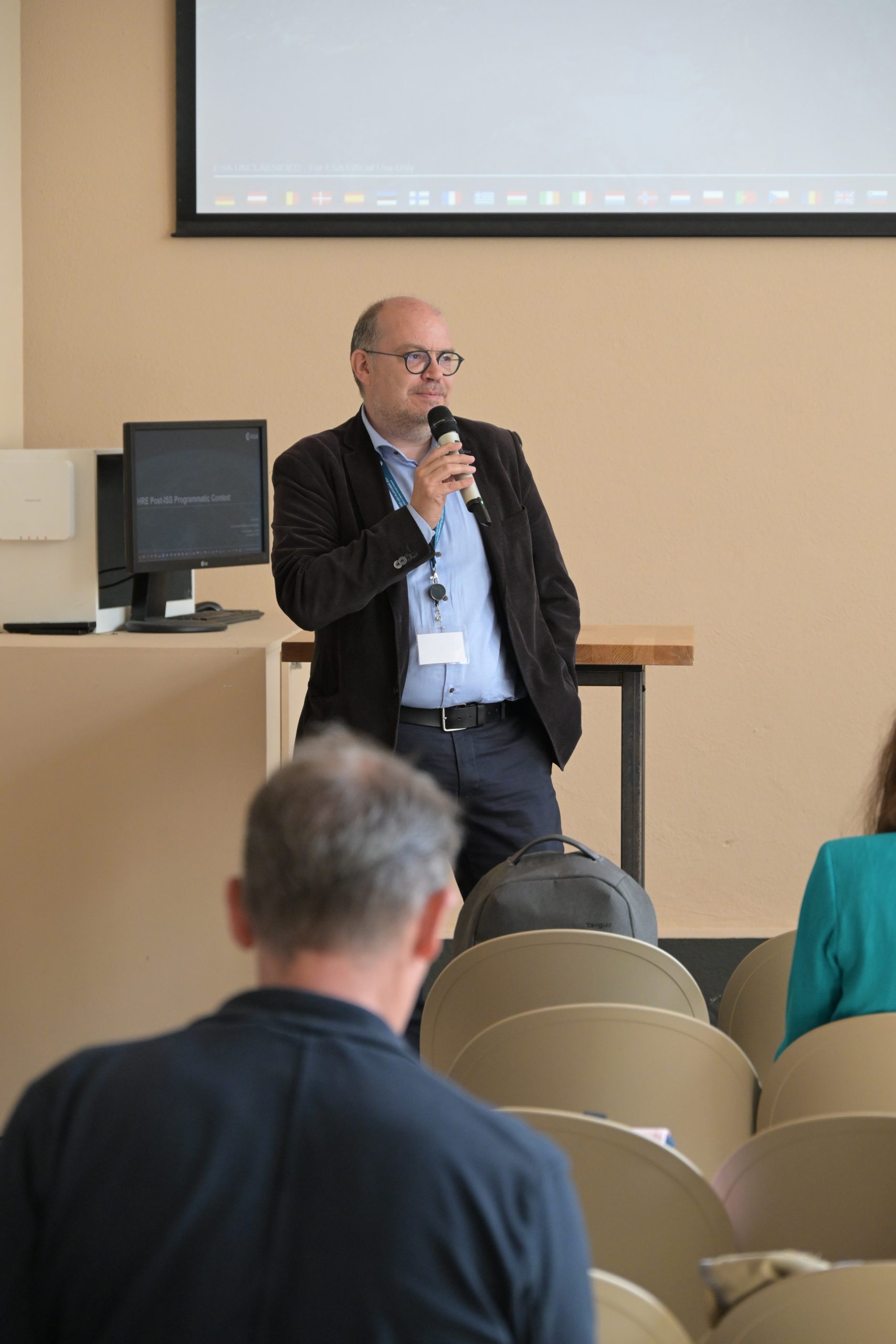
This session mapped the intersections between automated platforms and ESA priorities, spanning science utilization, Post-ISS strategy. The session was led by ESA with contributions from different ESA Directorates and programmes: General Support Technology Programme (GSTP), ESA Marketplace for commercial growing and scaling, In-Space Assembly and Manufacturing (ISAM), In-Space Proof of Concept (InSPoC), and Business Applications and Space Solutions (BASS).
The focus was on which areas and how ESA can de-risk critical capabilities, facilitate standards definition, and catalyse early demand through co-funding and acting as anchor customer.
The session hosted several ESA experts discussing synergies and complementarities with a range of ESA initiatives, highlighting how automated LEO platforms can mutually benefit from them and for them, being functional in achieving different strategic objectives.
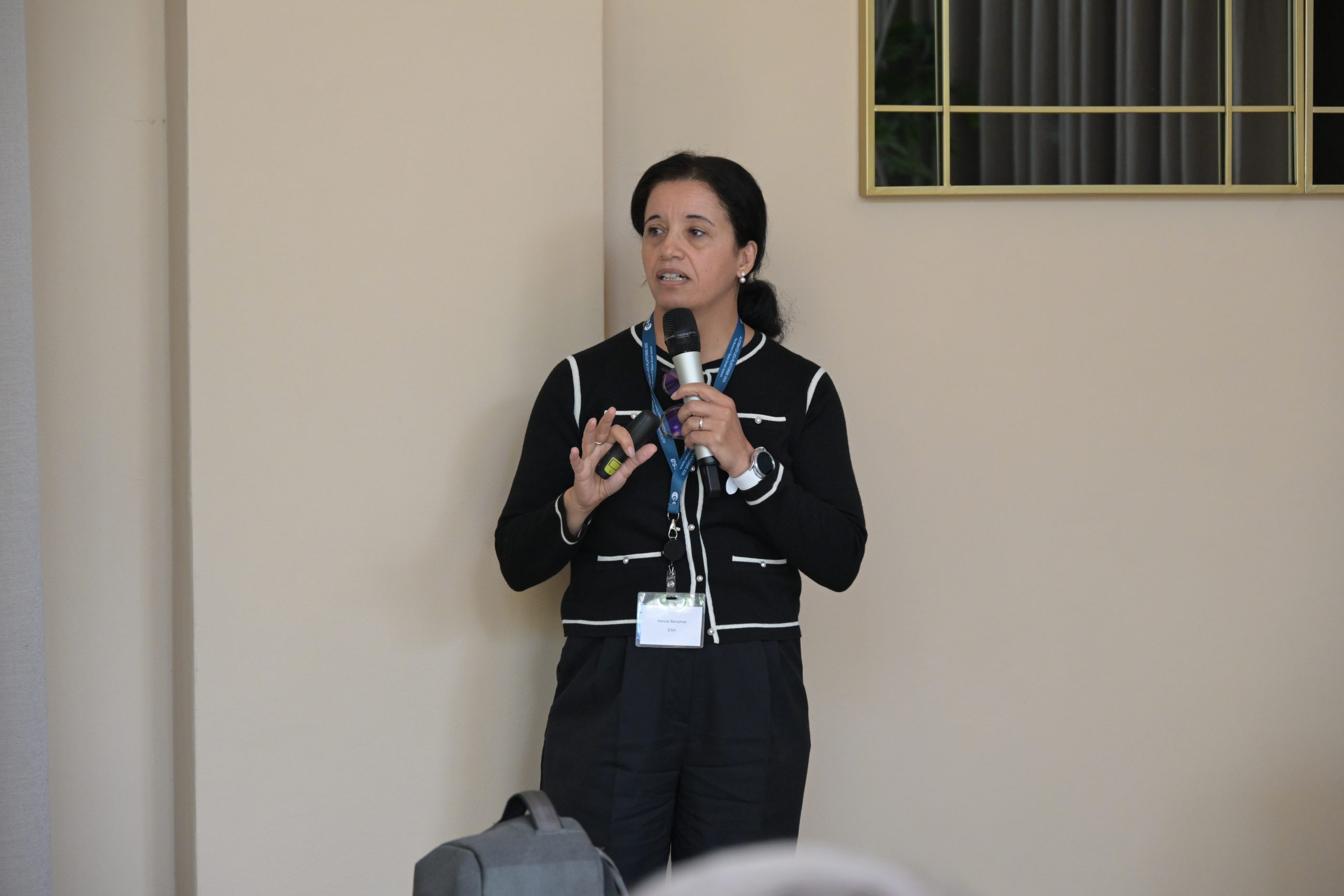
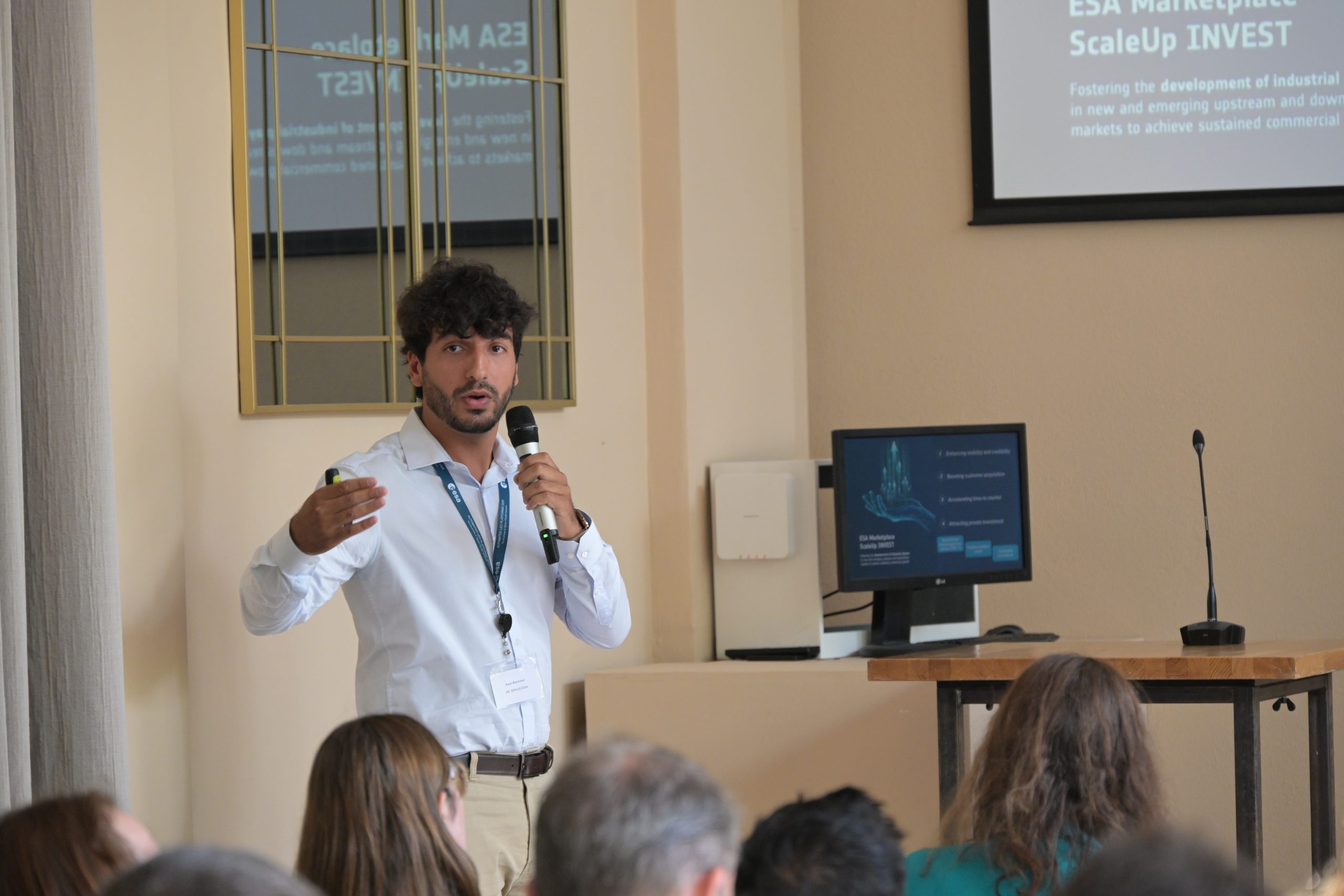
The hosted speakers were Bernhard Hufenbach (Commercialisation & Inn. Team Lead at ESA), Eric Istasse (Post-ISS strategy at ESA), Angelique Van Ombergen (Chief Exploration Scientist at ESA), Kenza Benamar (GSTP Program at ESA), Kais Barmawi (ESA Marketplace), Calum Turner (In-Space Servicing, Assembly and Manufacturing at ESA), Thomas Nussmann (FLPP and In-SPoC at ESA). The session was followed by a Q&A session.
Second Session – Interoperability
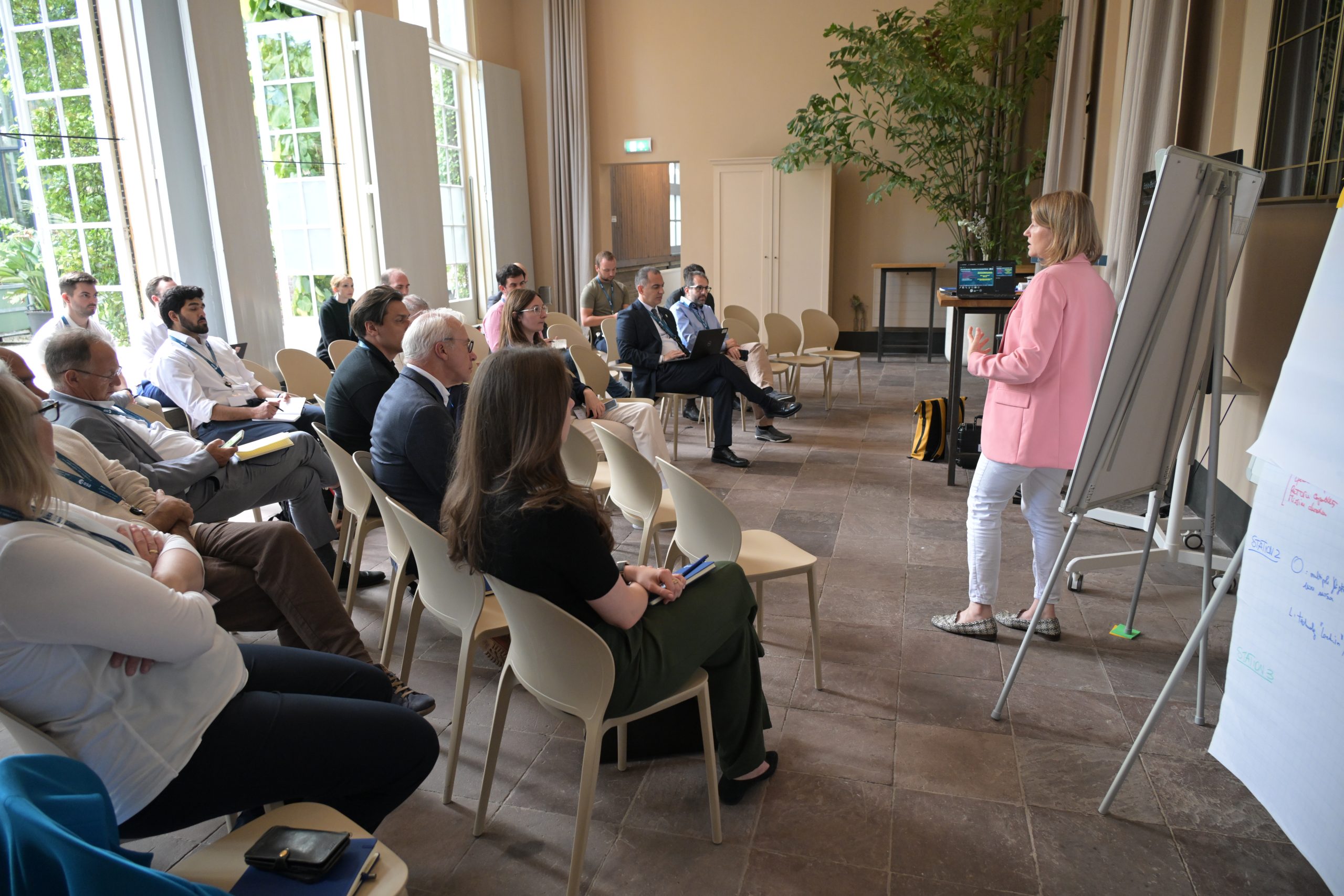
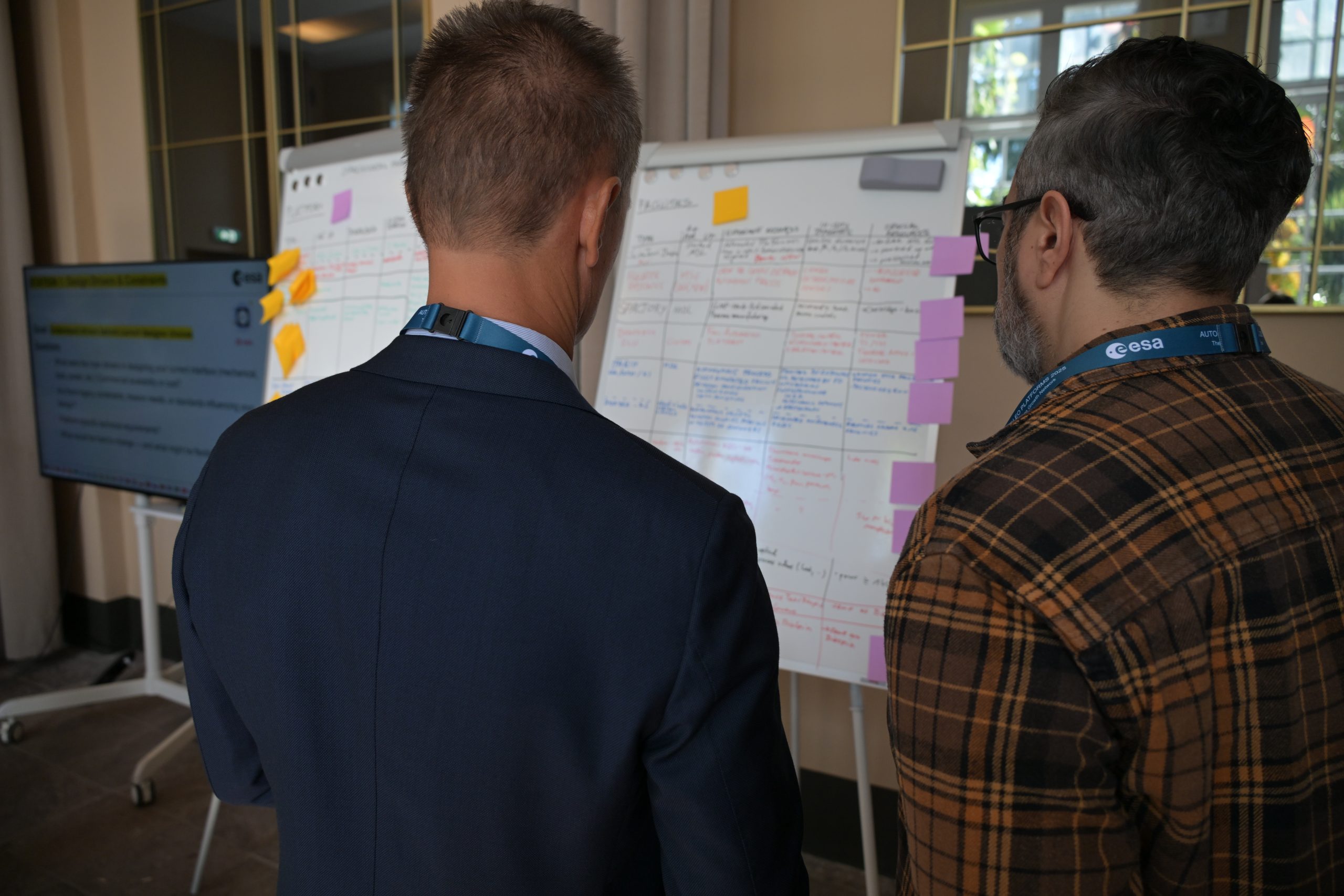
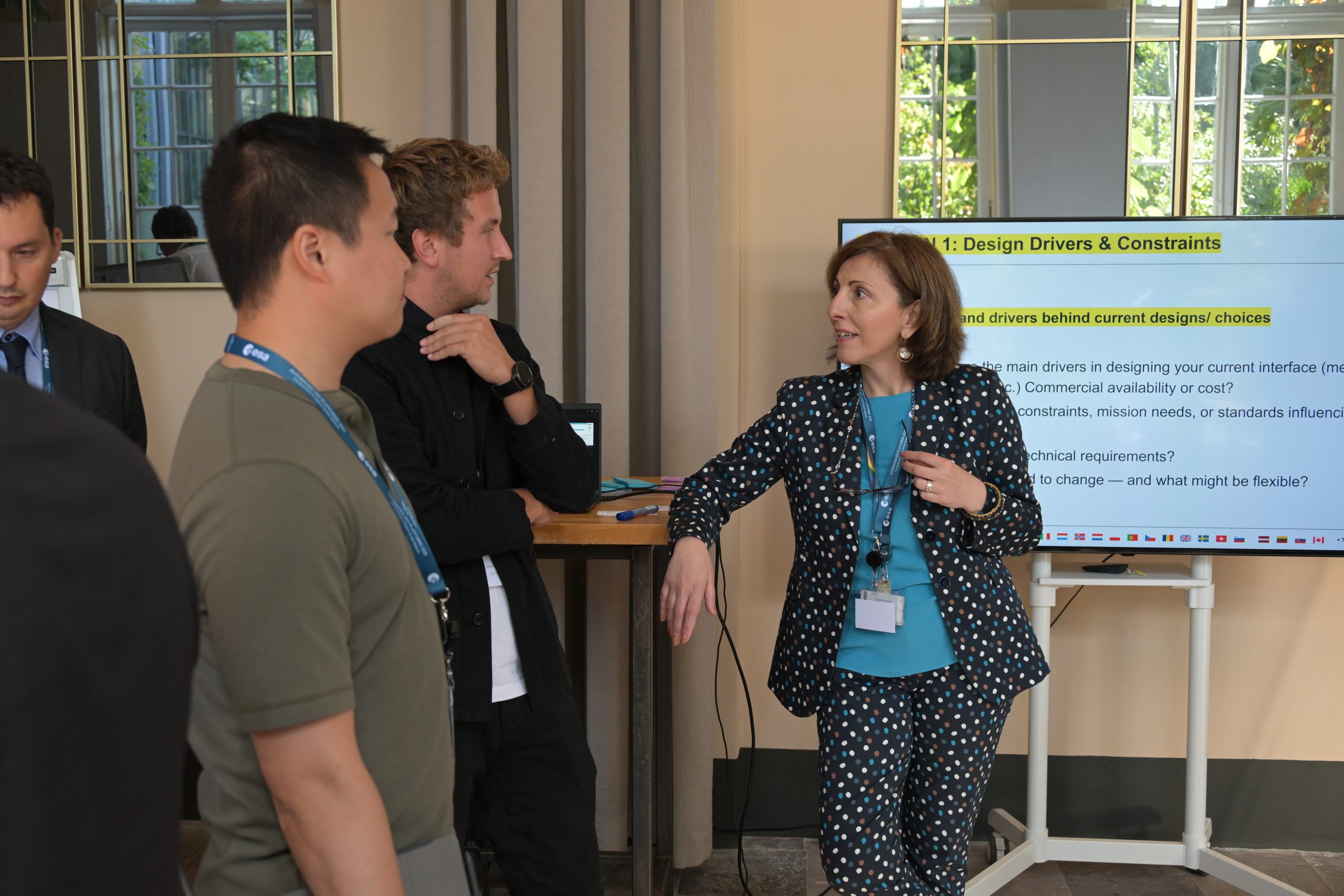
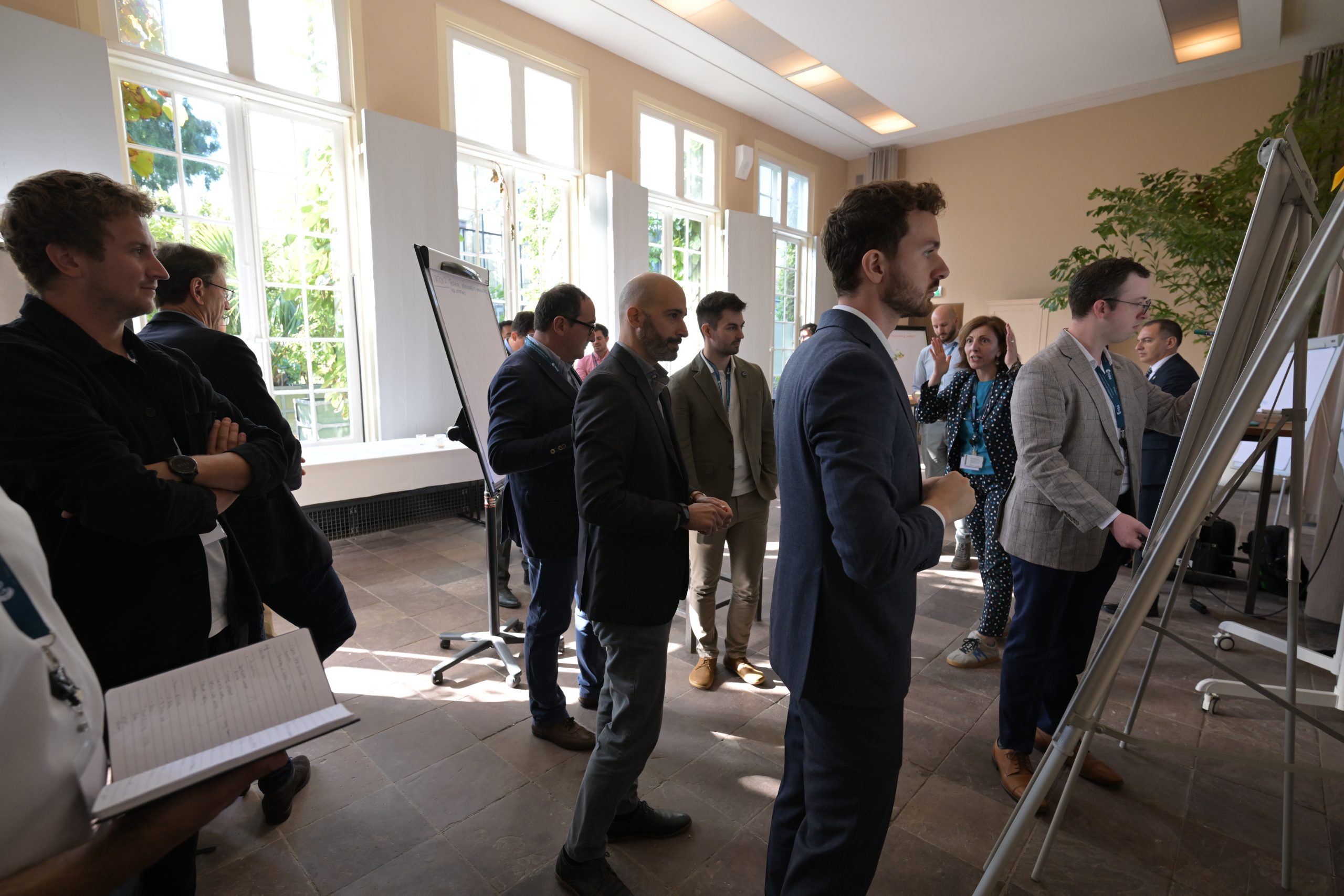
The session was directed by Antonella Sgambati, LEO Payload Team Leader at ESA, and brought together an audience of platform developers, facilities developers and potential users. The format was intentionally participatory, fostering dialogue and mutual exchanges. A key insight emerged: standardization lowers friction and broadens access across vehicles; over-standardization can constrain innovation and performance. The session sought pragmatic common denominators (minimum viable standards) while leaving room for mission-specific differentiation.
The final goal was to converge on shared understanding of current strengths and challenges, identify practical pathways to overcome current European bottlenecks and pave the way towards more harmonized standards and procedures for payload-platform interoperability.
The session was split into sections, each with a main thematic driver:
- Station 1: Understand the main drivers shaping interface design (mechanical, data, power, thermal, etc.).
- Station 2: Explore where technical alignment could unlock efficiency and access.
- Station 3: Examine process-level barriers to interoperability (plug-and-play)
Third Session – Private Sector Utilization Interest
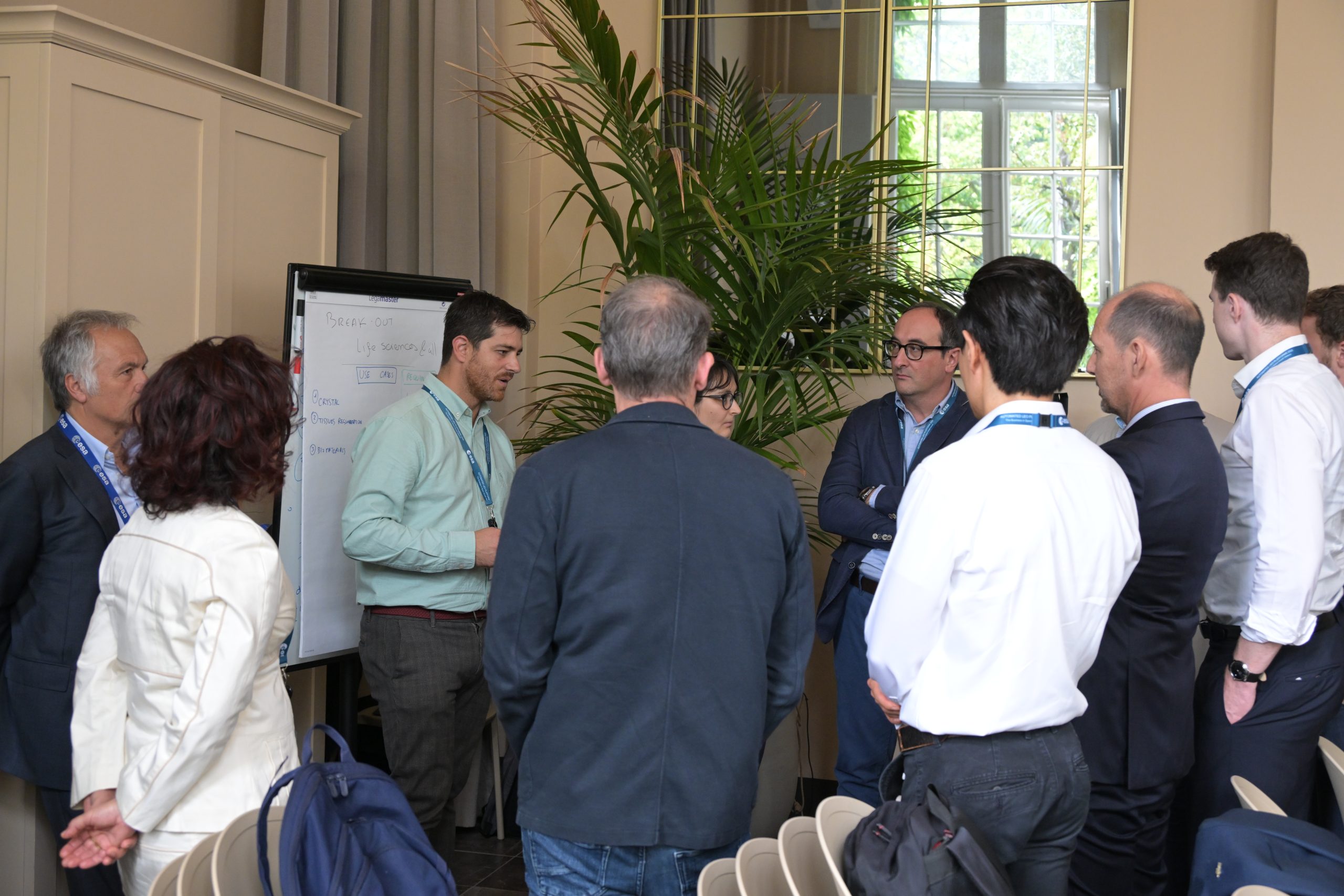
Framed around market pull, this session combined a panel with thematic working groups on Pharma and Advanced Materials. Each group worked through use cases, customer requirements, and the role of free-flyers, while discussing the market value and future perspectives.
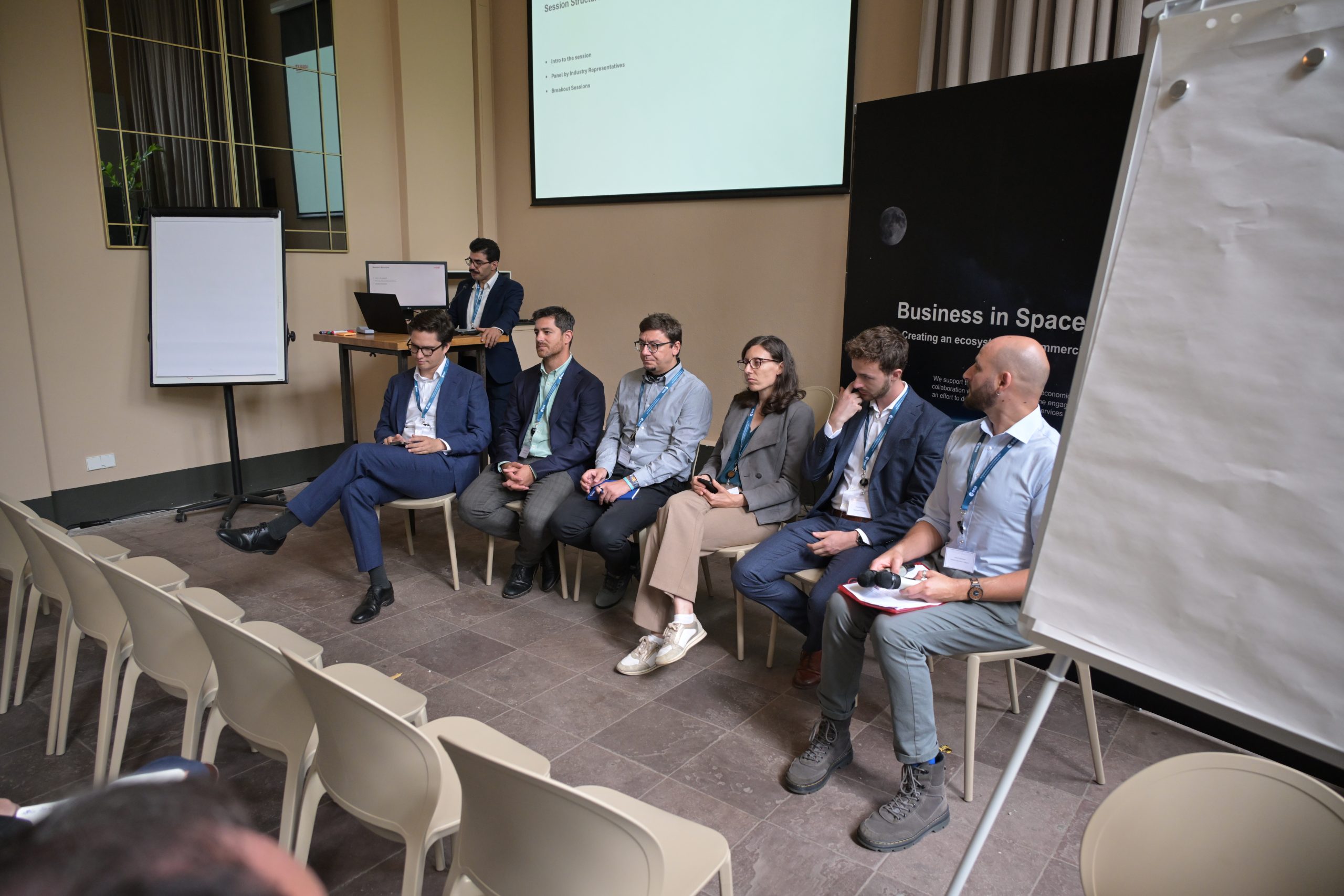
The session started with a panel discussion participated by Francesco Liucci (Business Development Engineer, responsible for the BSGN initiative, ESA), Robin Sie-Verbruggen (COO at Resonance Holdings), Andrei Sapera (Space Business Developer at Space Application Services, ICE Cubes Division), Mira Baraket (VP of Technology at Atlant 3D), Daniel Kogan (R&D Scientist at SpacePharma), Hamid Soorghali (Lead Strategy Consultant at the Satellite Applications Catapult), Joel Friedman (moderator, Head of Innovation Services at the Satellite Applications Catapult).
After the panel discussion, the audience broke down into working groups, focusing on Life Sciences and Advanced Materials, stimulating open discussions among participants.
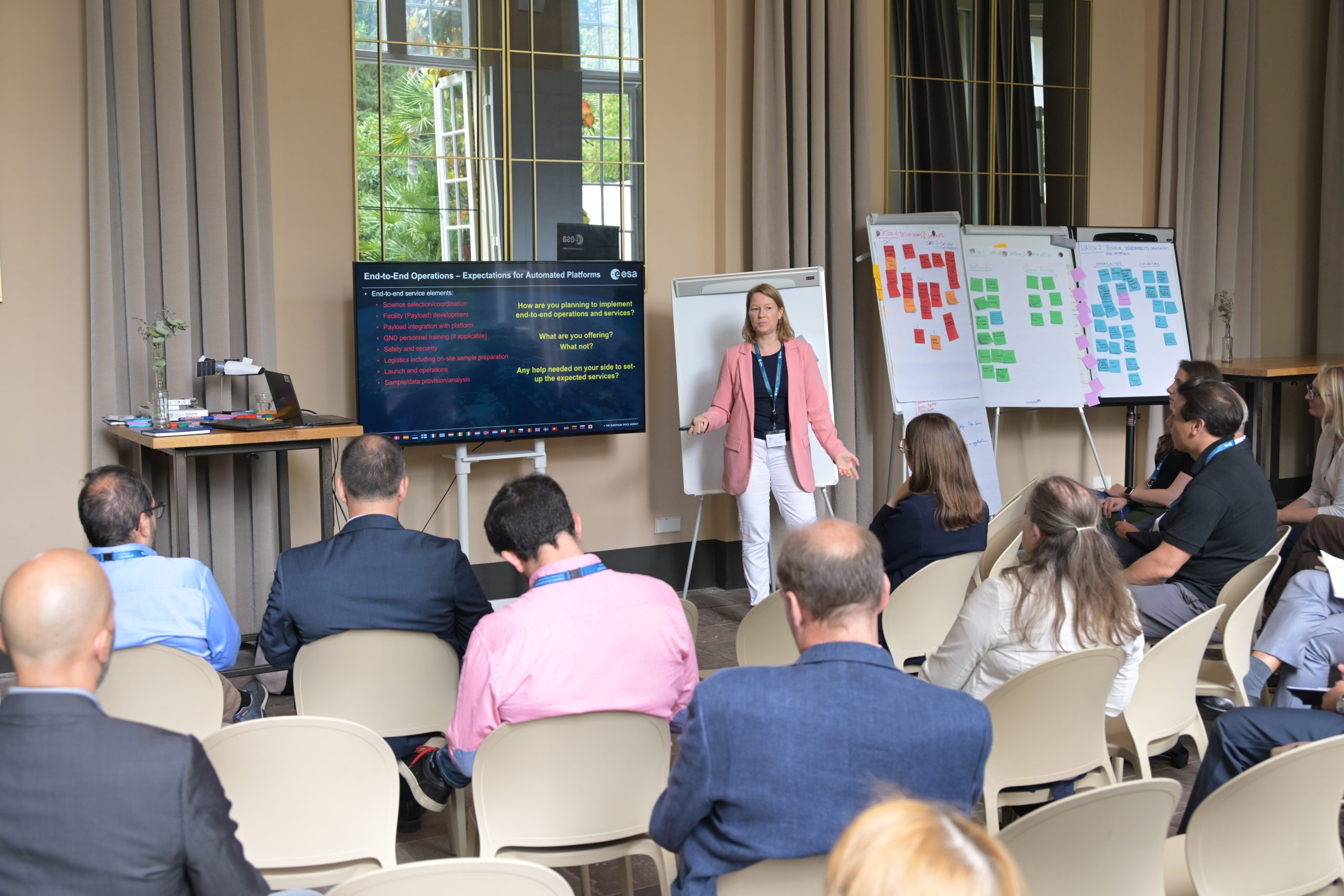
Forth Session – End-to-End Concept of Operations (Con.Ops.)
Building from real operational constraints, this session traced the full-service chain: interfaces to the International Space Station (ISS) where relevant, ESA’s facilitator role, payload integration and handling, and enabling service elements such as science selection coordination, payload development, platform integration, ground segment personnel training, and more.
The session was moderated by Julia Weis (LEO & Suborbital Utilisation Team Leader at ESA) and Marco Vukich (ISS Payload Integration Manager at ESA). The discussion built on the legacy of ISS end-to-end operational flows and assessed how similar or adapted frameworks could apply to automated LEO platforms. The audience included platform developers, payload providers, and ESA staff, with the goal of clarifying expectations, identifying gaps, and exploring ESA’s potential roles as customer, partner, or enabler in the future commercial ecosystem.
The session progressed from reviewing the ISS operational baseline to outlining what an end-to-end service model could look like for automated platforms. Discussions also integrated concrete examples, notably biology use cases, to illustrate specific logistical and technical requirements.












Innovate in Microgravity - ESA's Parabolic Flights for Commercial Use
Parabolic Flights Advantages for Commercial Research
Fast and Flexible Access to Microgravity - Unlike orbital missions, parabolic flights offer rapid access to microgravity environments without the long lead times or high costs associated with space launches.
They are a cost-effective entry point to space as they are significantly more affordable than sending payloads to the International Space Station (ISS) or using free-flyer platforms.
While until recently, ESA’s parabolic flight campaigns were primarily reserved for scientific research, ESA decided to enable access to parabolic flights for broader groups, including commercial actors. This marks a strategic expansion of access, enabling startups, SMEs, and industry partners to leverage microgravity for innovation, testing, and visibility.
Commercial entities are expected to cover the cost of the portion of the facility resources which they utilise. These costs may vary depending upon the dimensions, mass, power consumption, and number of operators required by the experiment. As a first approximation, one campaign for an average experiment (appox. 200kg, 200W, 2.5mx2,5m total footprint, including 3 human operators) would use facility resources equivalent to 150,000 EUR. Dedicated cost calculations will be performed on a case-by-case basis as part of the technical feasibility assessment phase of eligible proposals.
Eligible applicants are invited to submit their applications via the OSIP system: Open Space Innovation Platform - OSIP - Channel: Parabolic Flights - Technology and Commercial Applications
Parabolic Flights are Ideal for:
- Early-stage testing of prototypes and experimental setups.
- Iterative development, allowing companies to refine their technologies before committing to more expensive orbital missions.
- Startups and SMEs who wish to enter the space research domain.
- Pharmaceutical and biotech firms who wish to explore microgravity’s impact on drug development and tissue growth.
- Human factors research, such as testing wearable devices, medical equipment, training astronauts, and more.
Microgravity for All: Fostering an Inclusive Space Ecosystem
The European Space Agency’s (ESA) 2040 strategy states that ESA’s mission is “to lead and orchestrate European space excellence to build a more prosperous, resilient, independent, and inspiring life for all of Europe.” One of the ways to achieve this goal is to lower the barrier to enter the space sector and to make it achievable for smaller companies by offering affordable, short-duration microgravity exposure.
Parabolic flights are not just a scientific tool; they are a strategic enabler for commercial innovation. This initiative reflects ESA’s commitment to fostering a vibrant and inclusive space ecosystem - where academic excellence and commercial innovation converge to push the boundaries of exploration.
More about Parabolic Flights
Parabolic flights create short episodes of zero gravity by flying aircraft in a series of steep climbs and dives. Each parabola provides around 20 seconds of weightlessness, repeated 93 times across three flights on each campaign. Slightly longer periods of partial gravity are also possible, such as Lunar or Martian gravity levels.
Parabolic flights offer a unique opportunity for companies to test technologies and processes in microgravity without the cost and complexity of space missions. This enables faster iteration and validation of concepts - especially valuable for life sciences, materials development, agriculture, and more.
To learn more about parabolic flights: ESA - Parabolic flights
Flights are operated by Novespace: Novespace and Avico - Air Zero G
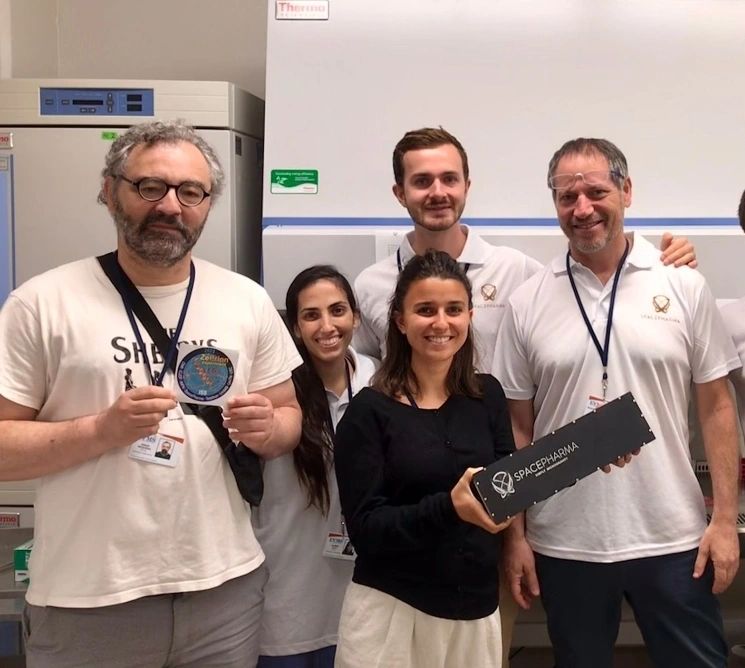
Life Science Accelerator Update: Zeprion-2 Has Launched to the ISS with SpacePharma
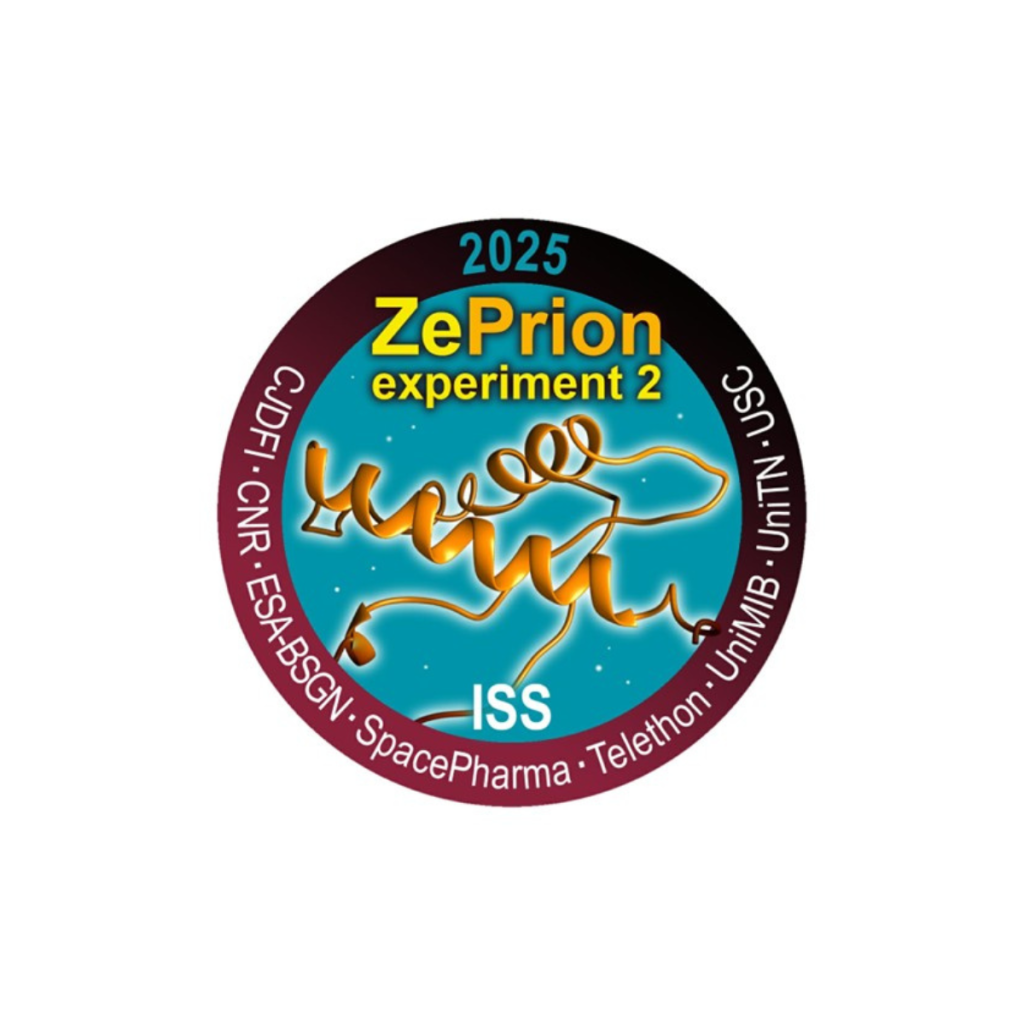
The Zeprion-2 mission, launched on 24 August 2025 aboard SpaceX33, marks a significant milestone in European space-based research and commercialization. Co-funded via the ESA BSGN Industry Accelerator for Life Sciences, managed by MEDES, and led by a commercial consortium including SpacePharma-EU, University of Trento, University of Milano Bicocca, University of Santiago de Compostela, Italian National Research Council, IBBA CNR National Research Council and Telethon Foundation, Zeprion-2 project exemplifies how space can serve as a frontier for transformative innovation in structural biology and drug discovery.
Zeprion-2 is the second iteration of a pioneering research initiative focused on protein crystallization in microgravity. The project utilises a remotely operated lab-on-a-chip microfluidic device developed by SpacePharma-EU aboard the International Space Station (ISS) to initiate and monitor crystal growth. This unique environment allows scientists to produce high-quality protein crystals that are often unattainable on Earth, unlocking new possibilities for pharmaceutical development. The project builds on the legacy of Zeprion-1, which was catalysed by Alice Anane, founder of the Creutzfeldt-Jakob Foundation. Her vision to explore space-based crystallization for prion protein research laid the groundwork for this international collaboration.
Zeprion-2 is more than a scientific experiment. It is a proof of concept for how space-based platforms can revolutionise commercially driven R&D. Protein crystallography is a cornerstone of drug design, and the ability to generate superior crystals in space can dramatically improve the resolution of structural data, especially for complex or unstable proteins.
For pharmaceutical companies, this means faster, more efficient drug pipelines. For biotech innovators, it opens new avenues for research. And for European industry, it demonstrates the viability of commercial space-based experimentation.
BSGN’s support for Zeprion-2 has been comprehensive and sustained. Over the past 12 months, the BSGN Industry Accelerator managed by MEDES, provided support to the Zeprion team and co-funded the development which allowed its microfluidic crystallization system to life. From ideation to launch, BSGN is a partner in every step of the journey, helping projects like Zeprion to navigate complexities of space-based R&D and unlock new commercial opportunities through:
- Early-stage scoping and feasibility assessments
- Access to ESA’s technical expertise and infrastructure
- Facilitation of international partnerships
- Support with regulatory and operational planning
- Commercial matchmaking with LEO Commercial Service Providers (CSPs) and visibility across Europe
To discover how BSGN empowers innovation across diverse industries, explore the industry-focused accelerators.
To connect with pioneering companies benefiting from our network, browse the growing list of companies we support.
About ESA and BSGN
The Business in Space Growth Network (BSGN) is a European Space Agency (ESA) initiative designed to foster European commercialisation in space. By connecting industry, academia and public institutions, BSGN supports projects that leverage space environments for innovation across sectors - from health and biotech to materials science and beyond. BSGN’s mission is to enable and accelerate commercial access to space, providing the tools, funding, and strategic guidance needed to turn visionary ideas into operational realities.
About MEDES
The BSGN Life Sciences Industry Accelerator aims to engage new players from biotechnology, pharmaceuticals, and cosmetics, supporting projects that tackle terrestrial challenges through the unique advantages of the space environment combined with European commercial space-based platforms in Low Earth Orbit. It fosters collaboration with the commercial space ecosystem, encourages the development of high-potential commercial activities, and seeks to attract new sources of funding beyond ESA.
Call for Proposals: Management of the ESA BSGN Agri-Food Industry Accelerator (Closed)
The European Space Agency (ESA) invites proposals from qualified entities to lead the Business in Space Growth Network (BSGN) Agri-Food Industry Accelerator. This initiative leverages the unique microgravity environment to foster commercial innovation in the agriculture and food markets.
In light of fast-development of commercially-driven R&D projects in microgravity environment, ESA is seeking to identify and appoint an external entity as the managing partner which will be responsible for operating the BSGN Agri-Food Industry Accelerator. The selected entity (or consortium) will support commercial R&D projects in accessing space microgravity environment to develop, test and commercialise their solutions.
The agriculture and food sectors can explore microgravity as a unique R&D environment to accelerate innovation in several high-impact areas. These include plant resilience and seed germination under stress conditions, microbial fermentation and the production of nutrient-rich or functional ingredients, cellular agriculture for cultivated meat and dairy analogues, and food packaging and preservation technologies.
The BSGN Accelerators are strategically relevant for the advancement of ESA's Human and Robotic Exploration strategy (Explore2040) as they support demand generation in Low Earth Orbit (LEO) market and thereby facilitate the transition from the ISS to the commercially-driven post-ISS era.
Lead the Future of Agri-Food Innovation with ESA's BSGN Industry Accelerator
By leading the full lifecycle of the BSGN Industry Accelerator for Agri-Food, the selected entity will:
- Deliver Market Assessment on the underlying agri-food market segments which shall serve as a precondition for the subsequent preparation and publication of the Call for Projects
- Scouting for promising commercial projects in the targeted market segments
- Launch competitive Calls on the ESA platform (OSIP) to identify and support relevant projects
- Evaluate, together with ESA experts, and select the best ones
- Facilitate access to LEO, to the International Space Station (ISS), and on other microgravity LEO platforms and commercial services (e.g. free-flyers) via ESA and commercial service providers
- Provide technical, business and investment readiness support to the projects that will be selected in order to fulfil the Decision Gate requirements in order to allow the in-orbit experiments and demonstration
- Monitor the implementation of the projects’ experiments/demonstration in LEO for the ones which successfully unlock ESA approval and co-funding)
- Build and maintain a stakeholder community relevant for the targeted market segments
- Take part in events and outreach activities in coordination with ESA
- Ensure proper monitoring, documentation and reporting of outcomes
ESA plans to allocate €1.1M of funding for the BSGN Industry Accelerator for Agri-food. Part of it will be allocated directly to the managing partner to cover the costs and effort needed to execute all the Accelerator’s activities. The other part will be available for the projects selected in the Accelerator, to support them in preparing and executing their experiments and demonstrations under microgravity conditions.
Do you believe you have what it takes to lead the BSGN Agri-Food Industry Accelerator? Learn more about this unique opportunity and apply on the OSIP platform.
Timelines & Submission
Call is open to applications between 1 July and 12 September – You can apply via the OSIP platform.
Evaluation by ESA and shortlisted candidates are expected to be notified by October 2025.
Shortlisted candidates will be invited to submit their full proposal via an ESA Restricted Fixed Call for Proposals (RCP) published on ESA-star and will be requested to submit a detailed full proposal via ESA’s ESA-star system.
The ESA-star RCP package is expected to be released by the end of October 2025 and close by the end of November 2025.
It is expected to have the selected entity to be announced by end of the year 2025.
For more information, reach out by e-mail: bsgn@esa.int

The 2nd Call of the BSGN Advanced Materials and In-Orbit Manufacturing Accelerator (Closed)
The ESA BSGN Advanced Materials and In-Orbit Manufacturing Industry Accelerator, led by Satellite Applications Catapult, has opened a new call for projects. This call seeks to attract commercially driven R&D projects from space and non-space industries, with the aim of using a microgravity environment to explore, foster and contribute to new and advanced materials solutions and in-space manufacturing capabilities across Europe . Interested applicants can apply until 31st August 2025 on the OSIP platform.
For many years, the space sector has accelerated innovation in material science, enabling the delivery of broad economic and societal value. Today, the rise of a commercial in-orbit economy, including autonomous research platforms, next-generation space stations, and dedicated microgravity labs, is unlocking entirely new frontiers for materials R&D.
Alongside ESA’s BSGN Advanced Materials Accelerator, selected projects will gain access to technical support, funding opportunities, and a growing ecosystem of commercial and institutional partner companies to develop new discoveries in low Earth orbit and beyond. This is a unique opportunity to be a part of the future of commercial space innovation.
Following the success of its first round, the second call for projects is now open, with a larger budget and a sharper strategic focus!
The Phase 2 Call builds upon the success, learnings and momentum of Phase 1, while reflecting an evolved strategy and vision for the accelerator. This time, there is a major emphasis on the R&D and optimisation of new and advanced materials which can benefit from the use of microgravity. The accelerator refined the evaluation criteria prioritising industrial impact, market potential and cross-sector collaboration, aligning with ESA’s evolving priorities under the Explore 2040 strategy.
The accelerator serves as a foundational mechanism to bridge the commercialisation gap between promising research, technical feasibility and in-orbit deployment. We are looking for projects with the following characteristics:
• Use of microgravity as an enabler, not just a testing opportunity
• Differentiated technology with clear market relevance
• Genuine commercial traction or validated interest
• Strong delivery capability and technical maturity
• A clear post-demo scale-up strategy
This call has an emphasis on deploying innovations to solve real-world challenges and bridge the gap between proof-of-concept and market-ready solutions.
“The LEO ecosystem is developing fast and it is giving rise to new opportunities to explore the use of microgravity conditions to advance knowledge and mature R&D activities towards the goal of offering new solutions to terrestrial and space markets. The ESA BSGN Accelerator’s model provides clear incentives – co-funding, technical and commercial support – to take action and invest in this exciting domain, while new commercial solutions appearing in the market are collectively providing signs that the post-ISS era can open the door to new markets.”
- Francesco Liucci, Innovation Management Officer responsible for the ESA BSGN Industry Accelerators initiative
“The demand for next-generation materials is accelerating across sectors — from semiconductors to photonics. Microgravity offers a way to engineer materials with purities, structures and properties not achievable on Earth. This Accelerator is designed to turn that potential into commercially viable, real-world applications.”
- Hamid Soorghali, Lead Strategy Consultant at the Satellite Applications Catapult
ESA BSGN Industry Accelerator has already secured a budget of €800,000 to be allocated to the most impactful advanced materials and in-orbit manufacturing projects. Selected projects will receive co-funding to execute in-orbit experiment or demonstration, and tailored support to de-risk innovation, accelerate technology development and advance towards commercial deployment and investor readiness.
Timelines
Projects submission is open until 31st August 2025.
The evaluation phase will take place during September - October 2025.
By early November 2025 the projects portfolio will be selected.
Contact & Submission
Projects submission via the OSIP platform.
Register to the informative “Ask Me Anything” webinar, which will take place on June 10th 2025, at 14:00-17:00 CEST. Register here.
For questions and more information: bsgnmaterials@sa.catapult.org.uk
About ESA
The European Space Agency (ESA) provides Europe’s gateway to space. ESA is an intergovernmental organisation, created in 1975, with the mission to shape the development of Europe’s space capability and ensure that investment in space delivers benefits to the citizens of Europe and the world. By coordinating the financial and intellectual resources of its members, ESA can undertake programmes and activities far beyond the scope of any single European country. It is working with the EU on implementing the Galileo and Copernicus programmes as well as with Eumetsat for the development of meteorological missions.
Learn more about ESA at https://www.esa.int
About BSGN
The BSGN is a European Space Agency initiative designed drive the growth of new economic markets in Low Earth Orbit and on the Moon. It focuses on supporting the development of new commercial markets and innovations through microgravity-enabled applications, fostering collaboration between space and non-space industries, and encouraging high-potential commercial activities. The mission of the BSGN accelerators is to lower barriers for non-space sectors to access in-space R&D, stimulate private investment and co-fund microgravity-enabled innovations and related in-orbit supply chains and infrastructure.
In 2022, the BSGN established the Advanced Materials and In-Orbit Manufacturing Accelerator, led by Satellite Applications Catapult, to drive demand-led innovation, expand commercial use of microgravity platforms, and foster new industrial capabilities in space-enabled sectors across Europe. The accelerator collaborates with a wide range of innovators, including start-ups, SMEs, and large corporates, to leverage space-based R&D for advanced product and technological innovation. It supports projects rooted in terrestrial industrial innovations, offering access to in-space R&D platforms and commercial services through guided support and strategic ecosystem engagement.
Learn more about the BSGN network here.
About the Satellite Applications Catapult
The Satellite Applications Catapult is at the heart of the satellite services revolution, driving adoption of space technology to shape and sustain the world of tomorrow. We’re driven by how our actions help the organisations we work with, both large and small, bring new services to market. By connecting industry and academia we get new research off the ground and into the market more quickly.
Learn more about Catapult at http://www.sa.catapult.org.uk
For questions, reach out to bsgnmaterials@sa.catapult.org.uk

BSGN Life Science Industry Accelerator Enters Phase 2
The BSGN Life Science Industry Accelerator has officially entered Phase 2, marking a major step forward in life sciences innovation in microgravity. Building on the successes of Phase 1, this next stage aims to accelerate commercial life sciences projects, fostering new opportunities for biotechnology, pharmaceuticals, cosmetics, and nutraceuticals in space.
Phase 1: Laying the Foundation for Growth
Phase 1, along with the Bridging Phase, focused on identifying and supporting market-driven biotechnological and pharmaceutical projects. By working with space commercial service providers, these early efforts created a foundation for the next stage. Now, in Phase 2, the focus shifts to establishing a structured, repeatable process for selecting and accelerating projects, ensuring long-term impact and a seamless transition to Phase 3.
Phase 2: Driving Innovation and Expanding Opportunities
Launched in early 2025, Phase 2 introduces a streamlined, turnkey approach to advance the most promising commercial projects in microgravity research. This phase expands beyond biotechnology and pharmaceuticals, now including cosmetics and nutraceuticals, opening the door to new industries that can benefit from space-based R&D.
To ensure the sustainability of the Accelerator, securing non-ESA funding remains a key priority. Several options first explored in the bridging phase will be further developed, including:
- Engaging large corporations to co-fund innovation.
- Launching innovation challenges to attract groundbreaking ideas.
- Encouraging private investment to drive long-term development.
- Establishing a clear regulatory framework for commercial microgravity research.
- Upcoming Call for Projects: Join the Future of Space Research
As part of Phase 2, the BSGN Life Science Industry Accelerator will soon announce an open call for projects, inviting life sciences innovators to participate. This announcement is expected at the Health from Space event in Cannes, France, on 2-3 April 2025. Further details will be published soon.
A Transformational Step for Life Sciences in Space
With Phase 2 now in motion, the BSGN Life Science Industry Accelerator is poised to become a driving force for life sciences research in Low Earth Orbit. This phase represents an exciting opportunity for industry leaders, researchers, and businesses to harness microgravity for scientific breakthroughs with real-world applications.
For further details: Open Space Innovation Platform - OSIP - Campaign: BSGN Life Science Industry Accelerator - 2nd Call for projects !
About BSGN Life Science Industry Accelerator
The BSGN Industry Accelerators are part of an ESA initiative designed to drive the growth of new economic markets in Low Earth Orbit and on the Moon. These accelerators facilitate collaboration with key industry players, attract new market entrants, and support the development of commercially viable business models based on space research.
Operating under a public-private co-funding model, the BSGN Life Science Industry Accelerator is managed by ESA’s Industrial Partners. It focuses on leveraging microgravity for cutting-edge research in biotechnologies, pharmaceuticals, cosmetics, and nutraceuticals, helping companies find the right partners and funding tools to turn their innovations into reality.

Argonaut Industry Day 2025: Advancing Europe's Lunar Exploration Ambitions
Date: 6 March 2025
Location: ALTEC Headquarters – Auditorium Room, Corso Marche 79, 10146 Torino, Italy
The European Space Agency (ESA) and Thales Alenia Space are hosting the Argonaut Lunar Descent Element (LDE) Supplier Industry Day, an event dedicated to pushing the boundaries of Europe's lunar exploration. This is not just a meeting; it is a gateway to the future of European space exploration. It is an opportunity to witness the unfolding of a vision - a step towards securing a lasting presence on the Moon.
Discovering the Argonaut Project
Argonaut is Europe’s bridge to the Moon. It is more than a spacecraft; it is a commitment to exploration, and a promise of progress. Versatility is at its core: Whether delivering cargo and infrastructure, conducting groundbreaking research, deploying rovers, or establishing power stations, Argonaut adapts. It is designed to serve, to explore, and to pave the way.
The European Space Agency (ESA) has signed a contract with Thales Alenia Space Italy to lead European aerospace companies in developing the Argonaut Lunar Descent Element - ESA’s first lunar lander. The Argonaut project will provide Europe with autonomous and sustainable access to the Moon, supporting international exploration programs. From the next decade, Argonaut will embark on regular lunar missions, delivering vital infrastructure, scientific equipment, technology demonstrators, and essential supplies for astronauts, including food, water, and air.
Argonaut is designed to withstand extreme lunar conditions, ensuring operations for up to five years, a key capability for sustainable lunar exploration. The spacecraft integrates seamlessly with ESA’s Lunar Link and Moonlight communication and navigation systems, enhancing precision landing and operational connectivity.
At its heart, Argonaut consists of three key components:
• Lunar Descent Element (LDE): The trusted guide that ensures a precise landing on the Moon.
• Cargo Platform Element: The bridge between the lander and its payload, a foundation for multiple mission types.
• Mission Payload Element: The reason for the journey—supplies for astronauts, scientific instruments, rovers, and more.
The first operational Argonaut mission, ArgoNET, is expected in 2031, with the Lunar Descent Element delivery set for 2030. By the end of 2026, ESA will select the industrial consortium responsible for integrating the first Lunar Descent Element.
By complementing NASA’s Artemis program, Argonaut does more than participate; it strengthens Europe's foothold in space. It offers an independent cargo delivery system. It creates new possibilities for collaboration. It ensures that Europe plays a critical role in humanity’s return to the Moon.
What to Expect at Argonaut Industry Day
The Argonaut Industry Day is a deep dive into the mission’s latest developments, the road ahead, and the opportunities it brings. The event is structured to inform, to connect, to inspire.
Morning Session – Program Presentations
The day begins with a series of compelling presentations that provide insight into the technical, industrial, and strategic aspects of the Argonaut mission:
• Argonaut LDE Program Overview – ESA
• Argonaut LDE Program Status, Industrial Organization, and Planning – Thales Alenia Space Italy (TAS-I)
• Argonaut LDE Structure, Thermal System, AIT, Software – TAS-I
• Argonaut LDE Propulsion and Fluidic Systems – Thales Alenia Space UK (TAS-UK)
• Argonaut LDE Data Handling System – Thales Alenia Space France (TAS-F)
• Argonaut LDE GNC, Power, and Communication – OHB Germany
• Procurement Process, Geo-return Targets, and Timeline – TAS-I
Afternoon Session – One-on-One Meetings
The afternoon brings an opportunity to engage directly with key stakeholders. Attendees will have the chance to participate in individual discussions with representatives from:
• Thales Alenia Space Italy (TAS-I)
• Thales Alenia Space France (TAS-F)
• Thales Alenia Space UK (TAS-UK)
• OHB Germany
These face-to-face meetings are more than just conversations. They are chances to forge new partnerships, explore collaboration opportunities, and delve into procurement processes and upcoming invitations to tender (ITTs).
Procurement Opportunities
A diverse range of procurement opportunities will be discussed, including:
- Structural & Mechanical Systems – Landing legs, harness, thermal control systems
- On-Board Systems – On-board computer, remote terminal units, video monitoring cameras
- Propulsion & Fluidic Components – RCS thrusters, pressure regulator systems, propellant tanks
- Communication & Power Systems – S-/X-Band Deep Space Transponder, X-Band Travelling Wave-Tube Amplifier, batteries, solar array assembly
- Navigation & Sensing Equipment – Star tracker sensors, lidar, coarse sun sensor, inertial monitoring unit
- Software & Testing Facilities – Application SW/ISVV/SVF, field test/test facilities
Who Should Attend?
This event is open to companies from ESA Member States participating in the European Exploration Envelope Programme (E3P), including Belgium, Czech Republic, Denmark, Estonia, Finland, France, Germany, Hungary, Italy, Luxembourg, Norway, Poland, Portugal, Romania, Slovenia, Spain, Sweden, Switzerland, United Kingdom, and Canada.
Austrian entities interested in participating should contact Argonaut Procurement Manager, Mr. A. Vigna, before registering.
How to Register
To secure your participation, please contact alessandro.demasi@thalesaleniaspace.com
Early registration is encouraged as spots are limited.
All participants must register by February 24, 2025 at 12am CET to secure their spot at the event. Late registrations may not be accommodated due to limited availability.
Important: doing business with ESA
If you are new to do business with ESA, please read first About Business With ESA and make sure you have followed the process to register on ESA star before registering to the present event.
Join us at the Argonaut Industry Day 2025. Witness the future unfold. Be part of the journey. Be part of shaping Europe’s place on the Moon!
Supporting Lunar Innovation: Meet the First Cohort of ESA’s Space Resources Accelerator
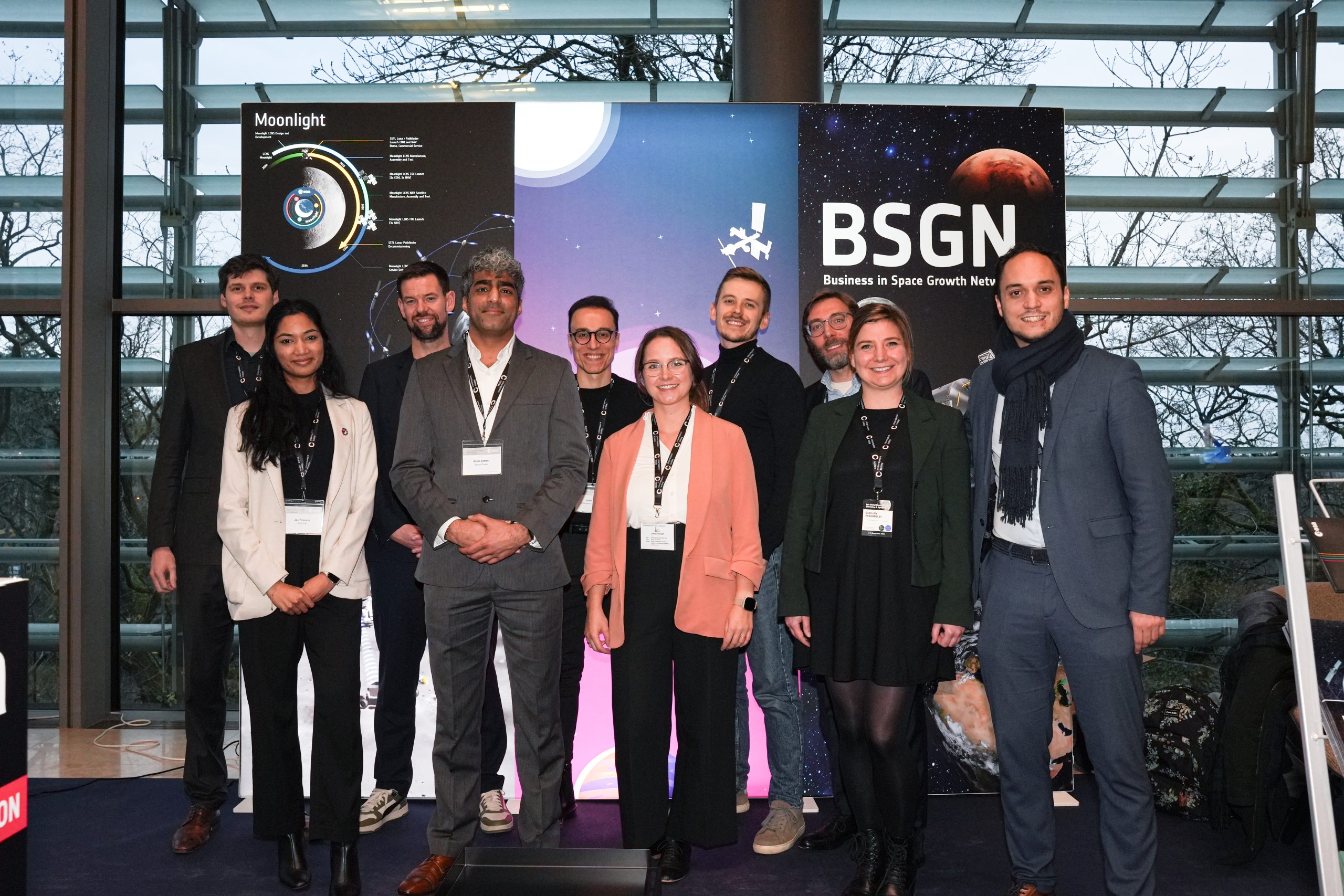
ESA’s Business in Space Growth Network (BSGN) is bringing the next generation of lunar technologies closer to reality through its most recent Space Resources Accelerator. This programme brings together six pioneering ventures developing solutions that will shape future lunar exploration and in-situ resource utilisation (ISRU) value chain.
Selected from a competitive pool of applications from 14 different ESA Member States, these ventures are addressing key challenges in power, infrastructure and mobility—paving the way for a sustainable lunar exploration. Over the Acceleration phase, ESA and its partner ESRIC will support the teams of this first cohort of the new Space Resources Accelerator in refining their technologies, with the aim of executing an implementation plan to demonstrate their solutions in terrestrial environment.
Who’s in the First Cohort?
The six selected ventures represent a blend of early-stage start-ups and established innovators, all focused on tackling unique hurdles for the development of a lunar space resources value chain:
FibreCoat (Germany): Specialists in manufacturing high-performance fibre materials, FibreCoat is working on solutions to enable resilient lunar infrastructure, a critical step for long-term exploration.
Maana Electric (Luxembourg): Advancing ISRU technologies, Maana Electric is developing methods to produce solar panels from lunar regolith—a game-changer for sustainable power generation on the Moon.
Orbital Matter (Poland): Focused on additive manufacturing in microgravity, Orbital Matter aims to enable the construction of key infrastructure directly on the lunar surface.
Orbit Fab UK (United Kingdom): Innovators in orbital refuelling, Orbit Fab’s technology can support autonomous fuel transfer on the lunar surface, enabling sustained operations for rovers, landers and other key lunar assets.
Space Power (United Kingdom): With solutions for power beaming and lunar dust mitigation, Space Power addresses two of the Moon’s most significant operational challenges.
Volta Space Technologies (Canada): Developing space-based wireless power transmission systems, Volta is working towards affordable and reliable energy delivery for lunar surface and orbital assets.
Accelerating Progress for Lunar Exploration
The BSGN Space Resources Accelerator is part of ESA’s broader efforts to engage with private sector innovators and drive forward Moon-compatible technologies. By providing resources, technical expertise, commercialisation support and co-funding, the BSGN Industry Accelerators initiative supports ventures at a critical stage of development—moving from concept to demonstration.

What Comes Next?
The six ventures will begin the Acceleration Phase led by ESRIC in Q1 2025. Their goal is to finalise an implementation plan to demonstrate their solution in a suitable environment. Upon successful ESA approval of such plan, which involves also the assessment of the capability of each venture to pay for minimum 50% of the costs associated with the implementation plan, ESA will provide the remaining co-funding and allow the commercial projects to initiate the demonstration in the most suitable -like conditions.
As the BSGN Accelerator for Space Resources progresses, updates on each team’s achievements and technological milestones will be shared—showcasing the innovations that will enable and empower future missions to the Moon..
About ESA BSGN Industry Accelerators
The Business in Space Growth Network (BSGN) Industry Accelerators are designed to support commercial demand for Low Earth Orbit (LEO) activities in the current crucial stage between the International Space Station (ISS) era – which is coming to an end – and the post-ISS era, which will see many more commercial service providers to emerge. For LEO, the 3 BSGN Accelerators focus on different market segments: Life Sciences (including Biotechnologies and Pharmaceutical), In-space Manufacturing and Advnaced Materials, and Agri-Food. To date, via the 3 active BSGN Accelerators, ESA has unlocked €1.7M on private co-funding from 9 commercial projects supported.
In the lunar context instead, the BSGN Accelerator focuses on supporting the development of the future Space Resources value chain, fast-tracking innovation and bring commercially viable solutions to the forefront of lunar exploration. By connecting start-ups, scale-ups, and industry leaders with ESA resources and expertise, this initiative, led internally by Francesco Liucci, Innovation Manager at ESA, create a platform for technology development, investment and collaboration for these emerging space markets.